
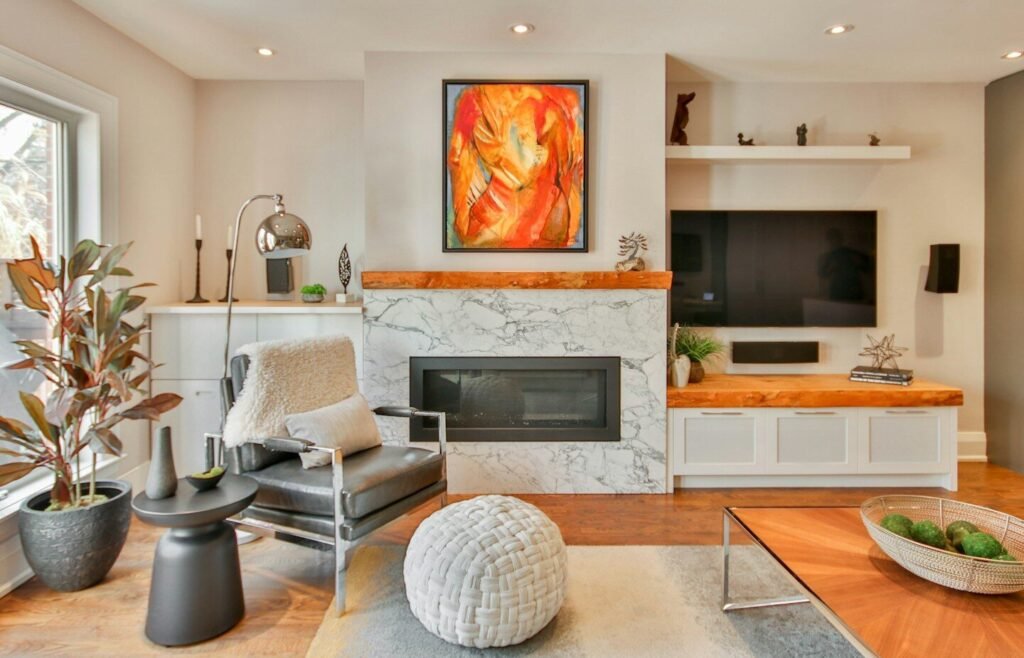
A room can have good furniture and still feel unfinished. The difference is rarely money. It is usually a handful of decisions about light, color, scale, and texture that pull the room together.
Good interior decorating ideas work the same way in a rented apartment and a family house. They start with what you already have, fix what bothers you most, and add layers slowly instead of buying everything at once.
Where to Start When a Room Feels Off
Start with what bothers you most about the room. That one frustration usually points to the fix: a dark corner needs light, a bare wall needs art, a cluttered surface needs storage.
Place the largest pieces first, such as the rug, sofa, or bed. Then add lighting, then texture, then art and personal items last. This order keeps you from buying small decor for a layout that does not work yet.
Take a photo of the room before you change anything. Photos show problems your eyes miss when you live in the space every day.
Ideas That Change How a Room Feels
These five points do most of the work in any room. Each one matters more than a long list of small accessories.
1. Start with light, not furniture.
Light decides how everything else in the room looks. A paint color you love in the store can look flat in a dark room, while a plain room can feel warm with good lighting.
Begin with natural light. Keep window treatments light during the day, and place a large mirror opposite or beside a window so daylight reaches deeper into the room. In a small room, this single move often makes the biggest visible difference.
Then layer your lighting instead of relying on one ceiling light. You need general light for the room, task light for reading or cooking, and softer accent light for the evening. Table lamps and floor lamps create pools of warmth that overhead lights cannot, and they let you change the mood of a room without changing anything else.
Pay attention to bulb warmth as well. Warm light suits living rooms and bedrooms in the evening, while brighter, whiter light works better over kitchen counters and desks. Matching the light to the job is a small change that makes a room feel considered rather than accidental.
If a project involves new wiring or hardwired fixtures, hire a licensed electrician rather than doing it yourself. Swapping a lampshade, moving a lamp, or changing a bulb is simple. Anything wired into the wall deserves a professional.
2. Pick a color palette and repeat it.
Rooms feel unsettled when every item brings a new color with it. A simple palette fixes that without making the room boring.
A common approach is to let one main color do most of the work on walls and large furniture, a second color support it through upholstery and curtains, and one accent color appear in small doses through pillows, art, and lamps. You do not need exact measurements. The point is proportion: one color leads, the others follow.
Repeat the same palette from room to room, or at least echo one shade in each space. A color from the living room rug can reappear in a bedroom pillow or a hallway vase. That repetition is what makes a home feel connected instead of random.
Paint is the fastest way to change a palette. One wall in a new color can shift the whole room, and it costs far less than new furniture. Test a swatch on the wall and look at it in daylight and at night before you commit, since artificial light changes how colors read.
Test a palette with things you already own before you buy paint. Hold a cushion against the wall, lay a throw over the sofa arm, and live with the combination for a day or two. Colors look different in your light than they do in a store, and this test costs nothing.
 3. Let one piece anchor each room.
Every room needs something that grounds it. Without an anchor, furniture floats and the eye has nowhere to rest.
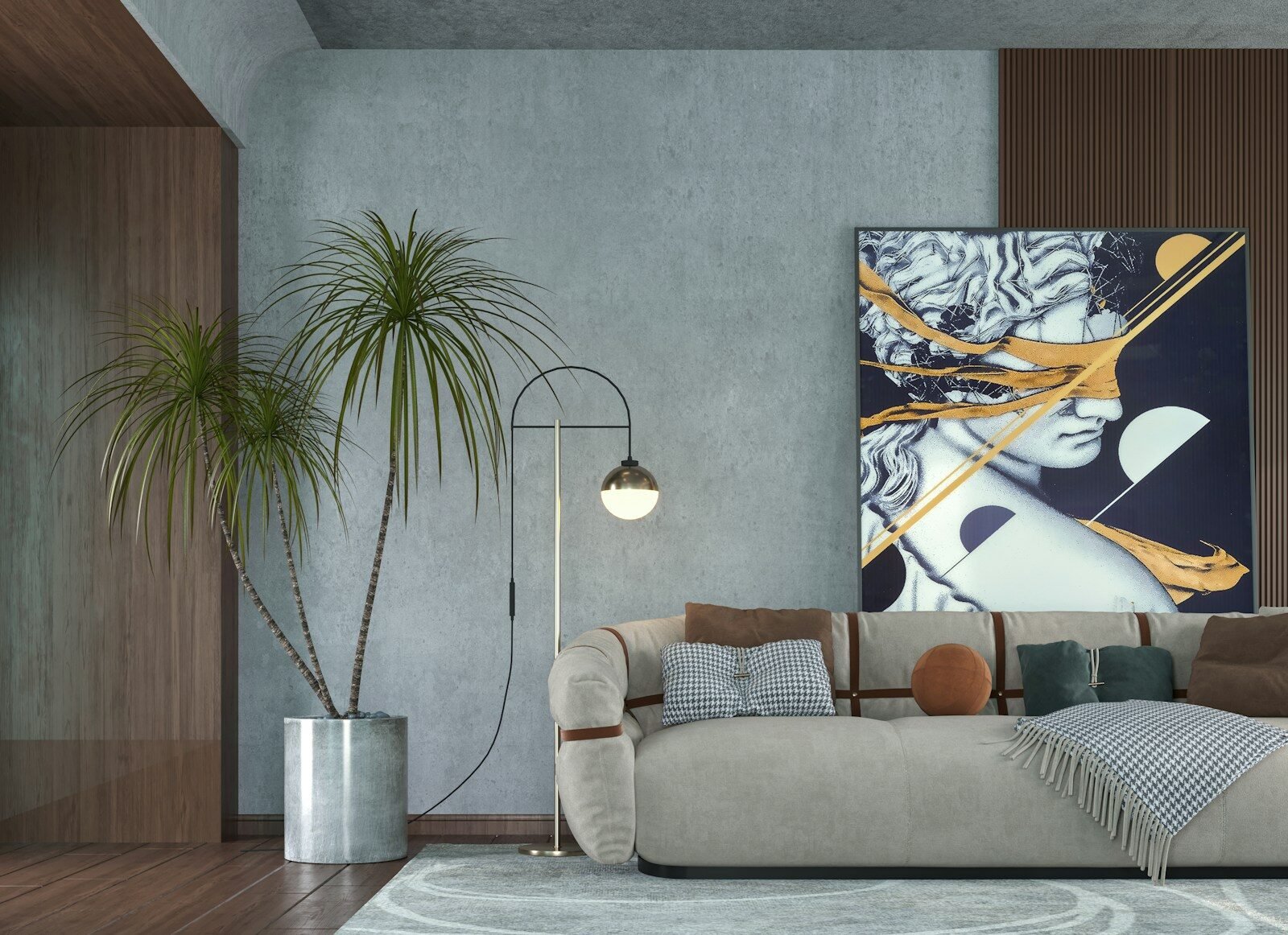
In a living room, the anchor is usually the rug or the sofa. In a bedroom, it is the bed and the headboard. Choose that piece first, then arrange the rest of the room around it.
Size matters more than style here. A rug that is too small makes the whole room feel like it is floating. As a rule, aim for a rug large enough to sit under the front legs of the sofa and any nearby chairs. If a rug you love is too small, layer a larger plain rug underneath it.
The same rule applies to wall art. One large piece above a sofa looks intentional. Several tiny pieces spaced far apart tend to make a wall look emptier, not fuller. If you cannot find one large piece, hang a group of smaller pieces close together so they read as a single arrangement.
In a bedroom, bedding does much of the anchoring work. A simple headboard and bedding in your main color give the room a center, even if the rest of the furniture is plain. Add one bedside lamp on each side for balance, and the room will feel finished without much else.
4. Mix textures instead of piling on patterns.
When a room feels flat, the missing ingredient is often texture, not color. Texture gives a room depth without adding visual noise.
Combine materials that feel different: linen cushions, a wool throw, a jute rug, a wooden table, and a metal lamp. Keep them in the same color family and the room will feel layered and calm rather than busy. This matters most in small rooms, where many loud patterns can overwhelm the space quickly.
That does not mean patterns are off limits. Use bold prints in small doses, such as a pillow, a frame, or a table runner, instead of on the sofa, curtains, and rug all at once. One strong pattern with quiet textures around it reads as a choice. Five competing patterns read as clutter.
Vary heights as well as materials. A tall plant beside a low sofa, a stack of books beside a lamp, and a basket on the floor keep the eye moving without adding more stuff.
Texture can also change with the seasons. Heavier throws and wool cushions suit colder months, while linen and cotton feel right when it is warm. Swapping textiles twice a year refreshes a room for very little money and keeps it feeling current.
5. Use what you already own before you buy anything.
The cheapest decorating change is moving something you already have. Furniture, art, and lamps often look new again in a different room or a different spot.
Try swapping art between rooms, moving a chair to a corner that feels empty, or turning a bookshelf to face a different wall. Rearranging costs nothing and often shows you what the room actually needs before you spend money.
Decluttering comes first, though. A surface covered in small items looks busy no matter how nice each item is. Group small things on a single tray so they read as one object, and give away or store what you do not use.
When you do spend, put money where it shows most: paint, curtain rods hung high and wide, lampshades, cabinet hardware, and one large mirror. Shop resale and clearance for furniture, and spend new money on the piece you use every day, such as a chair you sit in for hours.
Live with each change for a week before you buy the next thing. Rooms reveal themselves slowly. A chair that looked wrong on day one may feel right once the rug arrives, and waiting keeps you from filling the room with pieces that fight each other.
A Few Quick Changes Worth Trying
- Swap lampshades for a softer glow in the evening.
- Hang curtains high and wide so windows look taller.
- Paint one wall, or one piece of furniture, in your accent color.
- Add one plant to each main room.
- Change cabinet hardware in the kitchen or bathroom for a fast refresh.
Mistakes That Make Rooms Feel Smaller
- Rugs that are too small for the seating area.
- Too many small decorations on every surface.
- Dark, heavy curtains that block daylight.
- Furniture pushed against every wall with no breathing room.
- Art hung too high or too small for the wall.
FAQs
How do I decorate on a tight budget?
Start with paint, lighting, and decluttering. These three changes cost little and change how a room feels more than new accessories. Add one larger piece only after the layout works.
How can I make a small room look larger?
Use light colors, one large mirror opposite a window, and furniture with slim profiles and raised legs. Keep the floor visible and avoid covering every surface.
How do I mix decor styles without a mess?
Keep one thing constant, either the color palette or the main material, such as one wood tone. Then vary shapes and eras around it. Two styles that share a palette usually look intentional.
Conclusion
Good interior decorating ideas are not about buying more. They are about light, color, scale, texture, and using what you already own with more intention. Start with one room, fix what bothers you most, and let the rest follow. A home that feels like you is built one thoughtful change at a time.