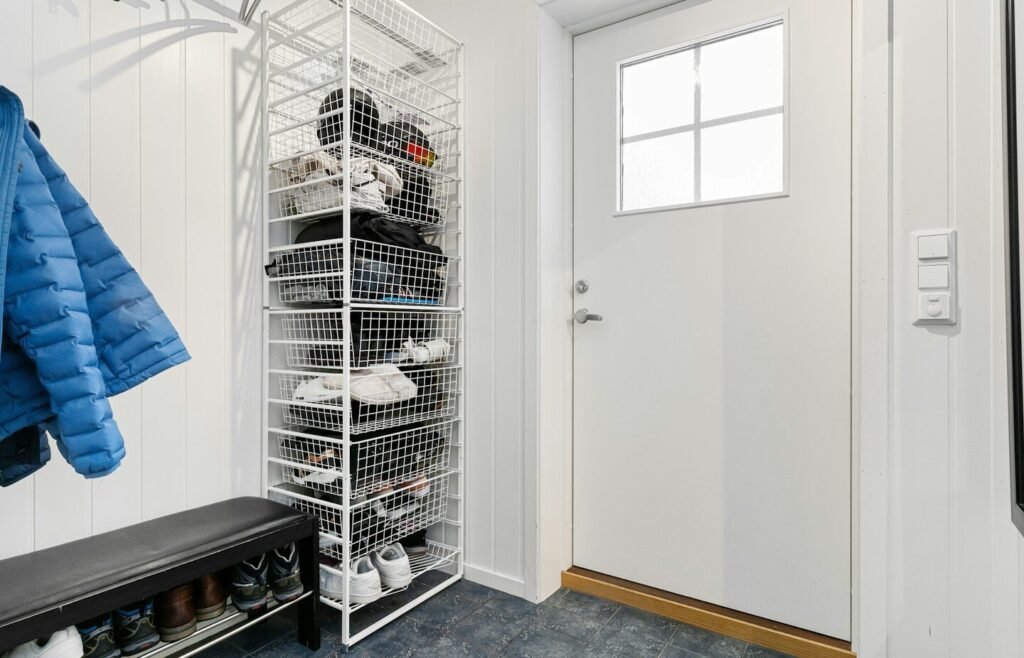
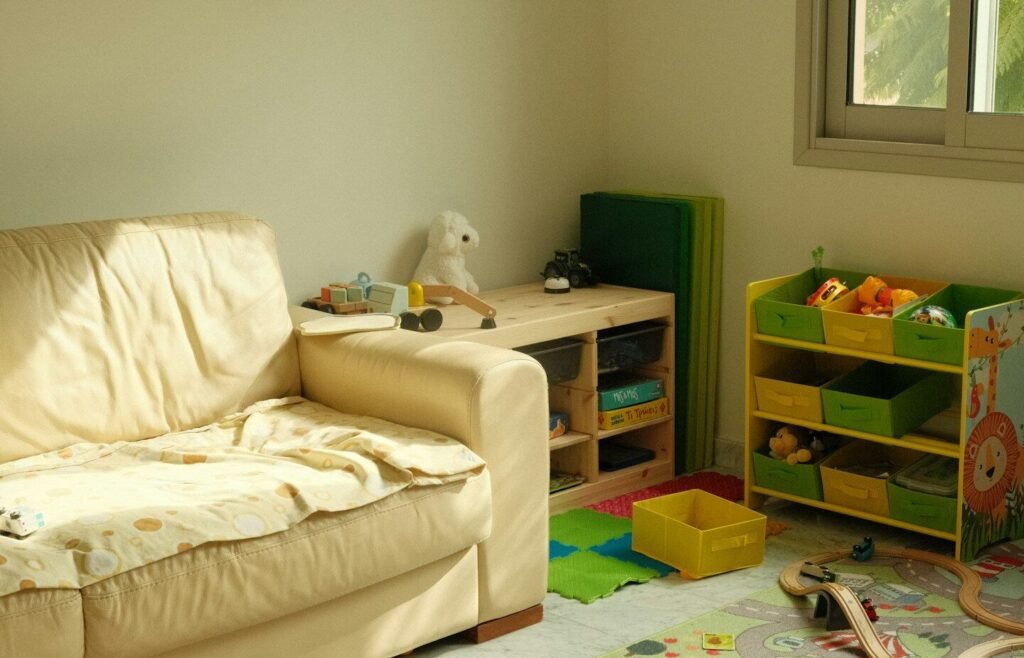
A playroom should be a place where children can build, read, pretend, and make a mess without the whole house feeling chaotic. The best playroom ideas balance fun with order: clear zones, storage children can reach, and surfaces that are easy to clean. You do not need a large room or a full renovation to get this right. A spare bedroom, a corner of a family room, or a small box room can all work when the layout is planned around how children actually play. This guide covers the decisions that matter most, with a few smaller touches kept brief at the end.
Start With Zones, Not Toys
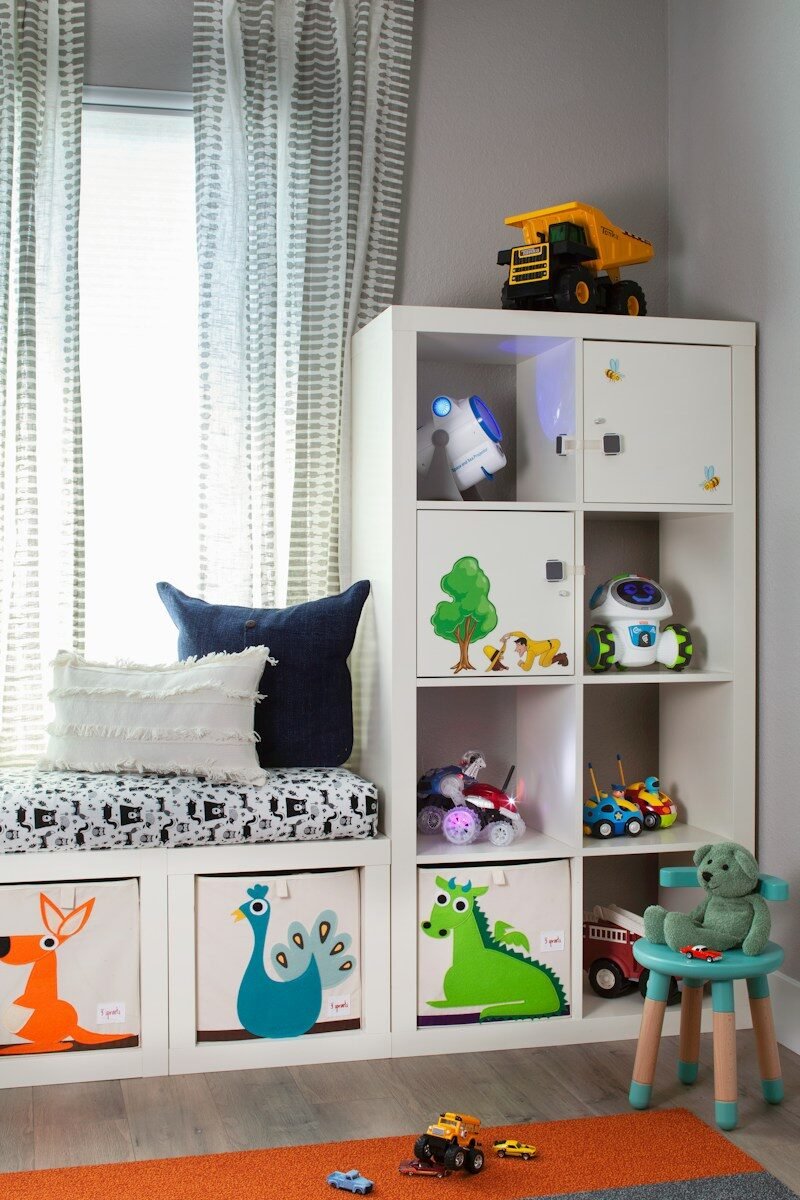
The most common mistake in a play space is filling it with toys before deciding where each kind of play happens. Start by dividing the room into a few simple zones, even if the room is small. A typical layout has four zones: active play, quiet reading, building, and art. Zones help children understand where things belong, which makes tidying up much easier, because every item has a home zone rather than a vague place somewhere in the room.
Use furniture and rugs to mark the zones instead of building walls. A soft rug can define the reading corner, a low shelf can separate building blocks from art supplies, and an open stretch of floor can stay clear for active play. Keep the active zone near the middle of the room or wherever there is the most open floor, and put the quiet zone near a window or a lamp, where light is good for books. Art supplies work best near a table that can be wiped clean, and away from soft furnishings that stain easily.
Think about how children move between zones. Leave clear paths so a child carrying a box of blocks does not have to climb over a train track or a pile of cushions. If two children use the room at once, zones also reduce arguments, because one child can build while another reads without sitting on top of each other. You do not need to label every zone with signs, although a picture label on a shelf can help younger children. The layout itself should do most of the work: when the room is arranged by activity, children naturally play in the right place.
Storage Children Can Actually Use
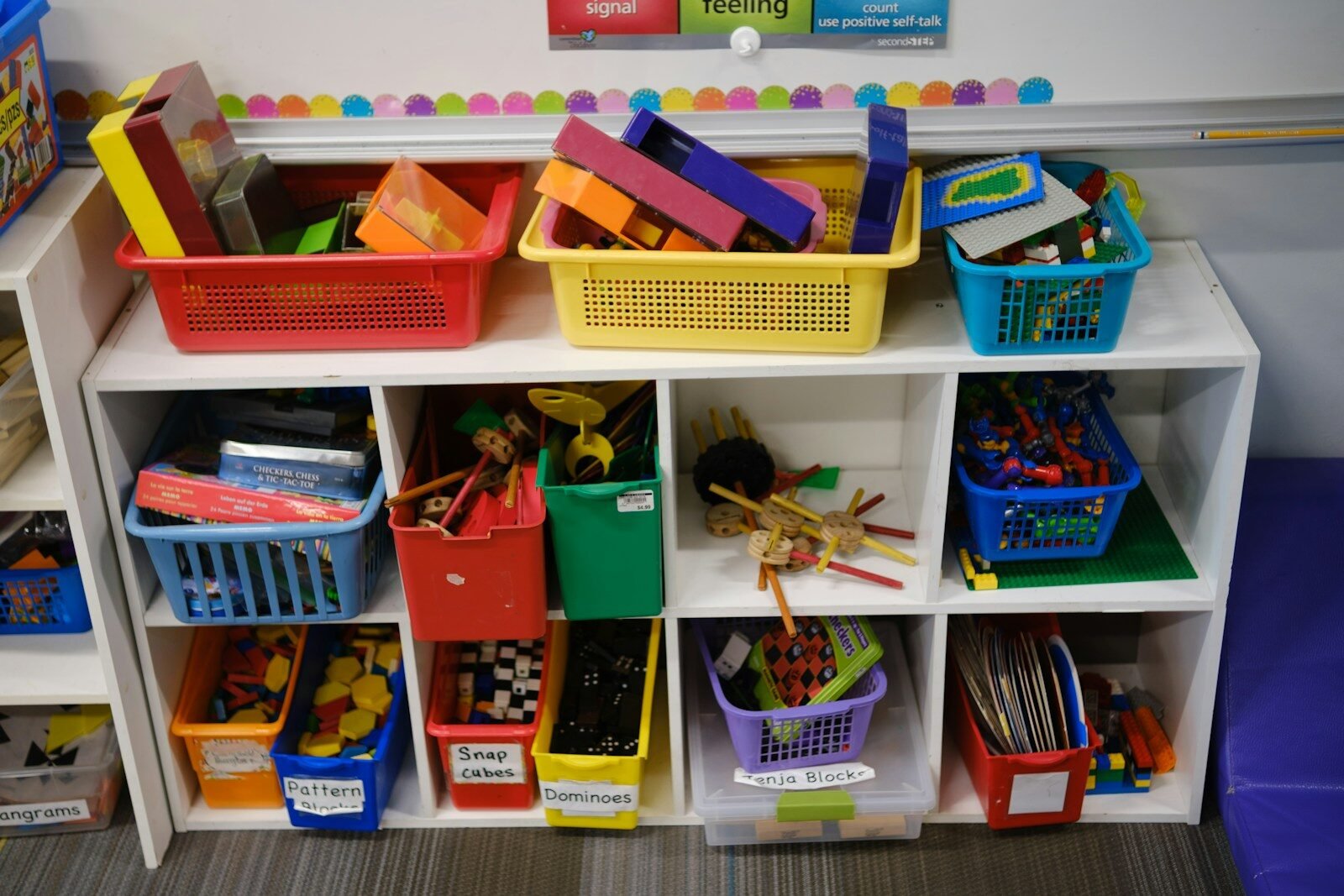
Storage fails in a playroom when it is designed for adults rather than children. High shelves, deep boxes without labels, and cupboards with stiff latches all mean that children cannot put things away by themselves, so tidying becomes a job for a parent every evening. The fix is simple: put everyday toys where children can reach them, and keep the system obvious.
Low, open shelves work well for the toys used most often. Each shelf or bin should hold one kind of toy — blocks in one bin, dolls in another, cars in a third — so a child does not have to empty three containers to find one thing. For children who cannot read yet, picture labels help a great deal: a simple photo or drawing of the contents stuck on the front of the bin. Clear bins are another option, since children can see what is inside without opening them. Avoid very large, deep bins, because small toys sink to the bottom and get forgotten.
Keep the number of toys out at any one time reasonable. A rotation system helps here: keep one set of toys accessible and store the rest in a closet or on a high shelf, then swap sets every few weeks. Rotation keeps play fresh without buying anything new, and it makes tidying faster because there is simply less to put away. Seasonal or special toys, such as a large train set or a craft kit, can live in a lidded box out of the way until they are wanted. Before buying new storage, count what you actually own and measure the wall or shelf space available, so containers fit the room rather than crowding it.
Make Safety Part of the Layout
Safety should be built into the layout from the start, not added as an afterthought. Anchor tall bookcases, shelves, and storage units to the wall, following the maker’s instructions, because children climb. Use safety covers on unused electrical outlets, and choose cordless window coverings where possible, since cords near a play area are a hazard. Put soft corner protectors on low, sharp-edged tables if toddlers use the room, and use a rug pad or a non-slip backing under rugs so they do not slide when children run across them.
Check toys and materials regularly for loose parts, broken pieces, and sharp edges, and keep small parts away from younger children who still put things in their mouths. Choose paints, glues, and finishes labelled as suitable for children, and store anything not meant for children — such as scissors, craft knives, or cleaning products — well out of reach, ideally in a latched cupboard. Keep the room well ventilated, especially if art supplies are used indoors, and make sure the space is easy to leave quickly, with no furniture blocking the door.
Any work involving wiring, new outlets, or structural changes should be done by a licensed professional, and for rented homes, check with the landlord before fixing furniture to walls or making permanent changes. If you are unsure whether a piece of furniture is stable enough, or whether a material is safe for your child’s age, ask a qualified professional or check the product’s safety guidance rather than guessing.
Choose Flexible Furniture
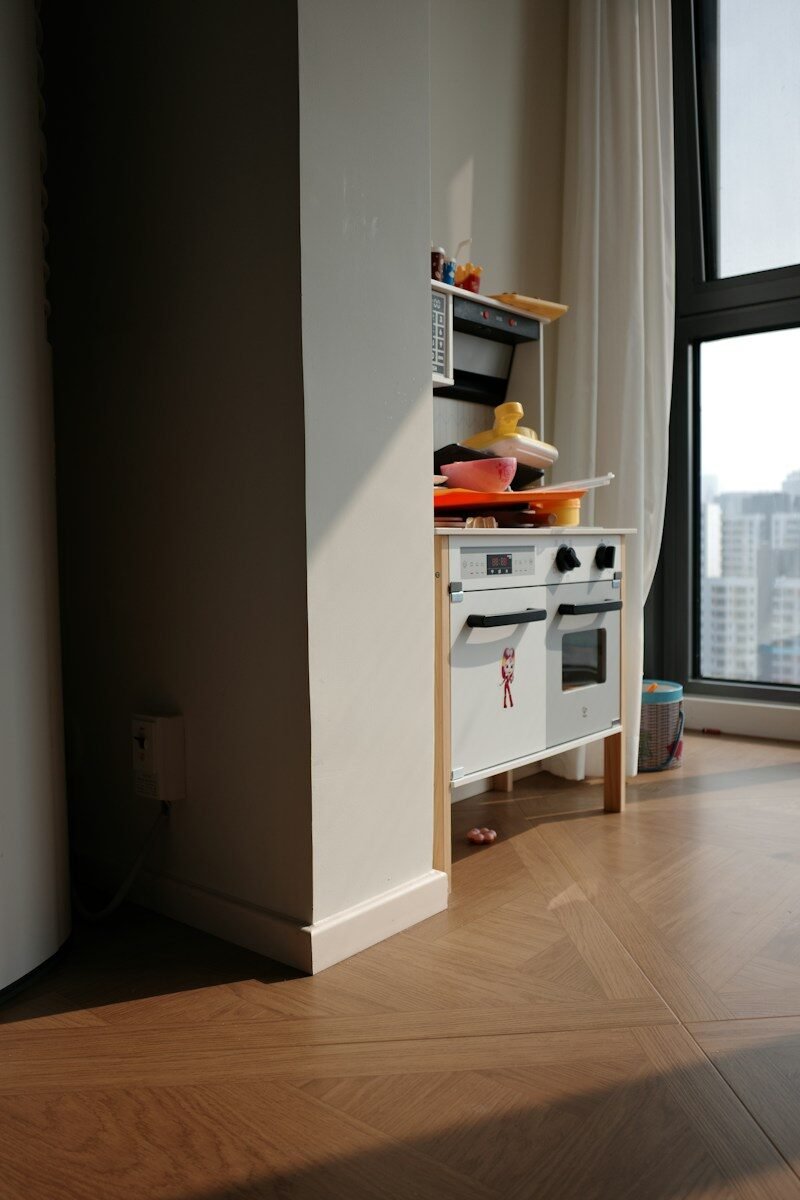
Furniture in a playroom should earn its place by doing more than one job or by adapting as children grow. A child-sized table with chairs works for drawing, puzzles, and snack time, and a storage bench gives both seating and a place to hide larger toys. A small bookcase with forward-facing shelves lets children see book covers and choose for themselves, which encourages reading far more than a tall shelf of spines they cannot reach.
Look for pieces that can change with the room. Stackable stools can be pulled out for friends and stacked away afterwards. A foldable easel can come out for painting and fold flat against a wall when the room is needed for something else. A floor cushion corner can serve as a reading nook today and a quiet spot for homework later. Avoid heavy, bulky furniture that cannot be moved, because the best layout for a toddler is not the best layout for a school-age child, and you will want to rearrange as interests change.
Leave plenty of open floor in the middle of the room. Children need space to build on the floor, to spread out a puzzle, or to play an active game, and a room packed edge to edge with furniture leaves no room for play itself. A good test is to stand in the doorway and check that a child can walk to every zone without climbing over furniture. If any path feels awkward, move one piece before settling on the layout.
Pick Surfaces That Forgive Mess
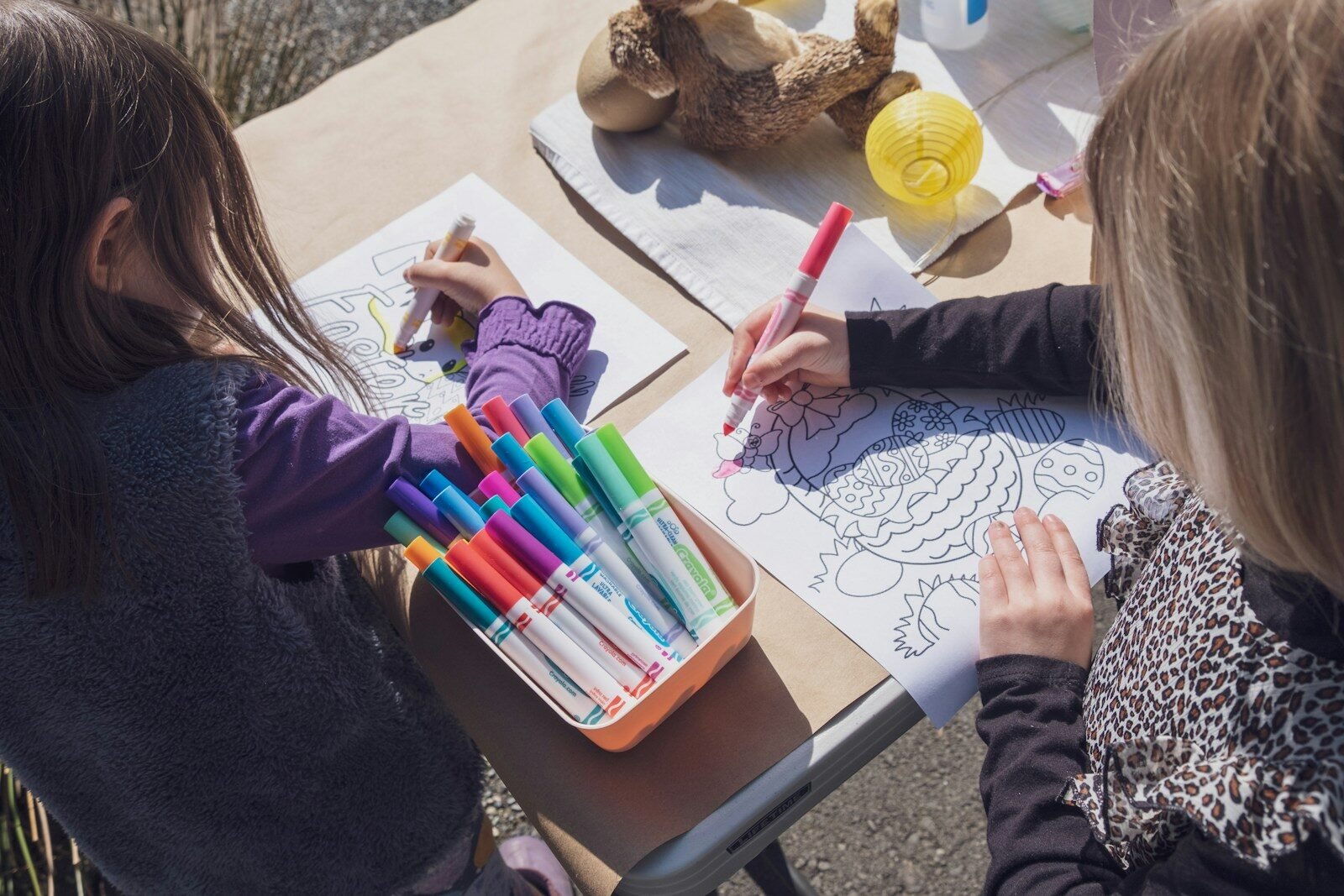
A playroom that is hard to clean will either stay messy or become a room children are afraid to use properly. Choose surfaces that forgive paint, glue, and muddy shoes. Washable paint on the walls stands up to scuffs and marks far better than a delicate finish, and a wipeable cover on the art table protects it from stains. A machine-washable rug is a better choice than a light-coloured carpet that cannot be cleaned, and hard flooring with a washable rug on top is often the most practical combination of all.
In the art zone, keep supplies that match the surfaces. Washable markers and paints, an apron or an old shirt for messy work, and a wipeable mat under the table all reduce cleanup time. Keep a small cleaning kit in the room — a cloth, a small dustpan, and a bin — so spills can be dealt with straight away rather than left to dry. When children can help with cleanup using tools that fit their hands, tidying becomes part of play rather than a chore imposed afterwards.
Smaller Touches Worth Considering
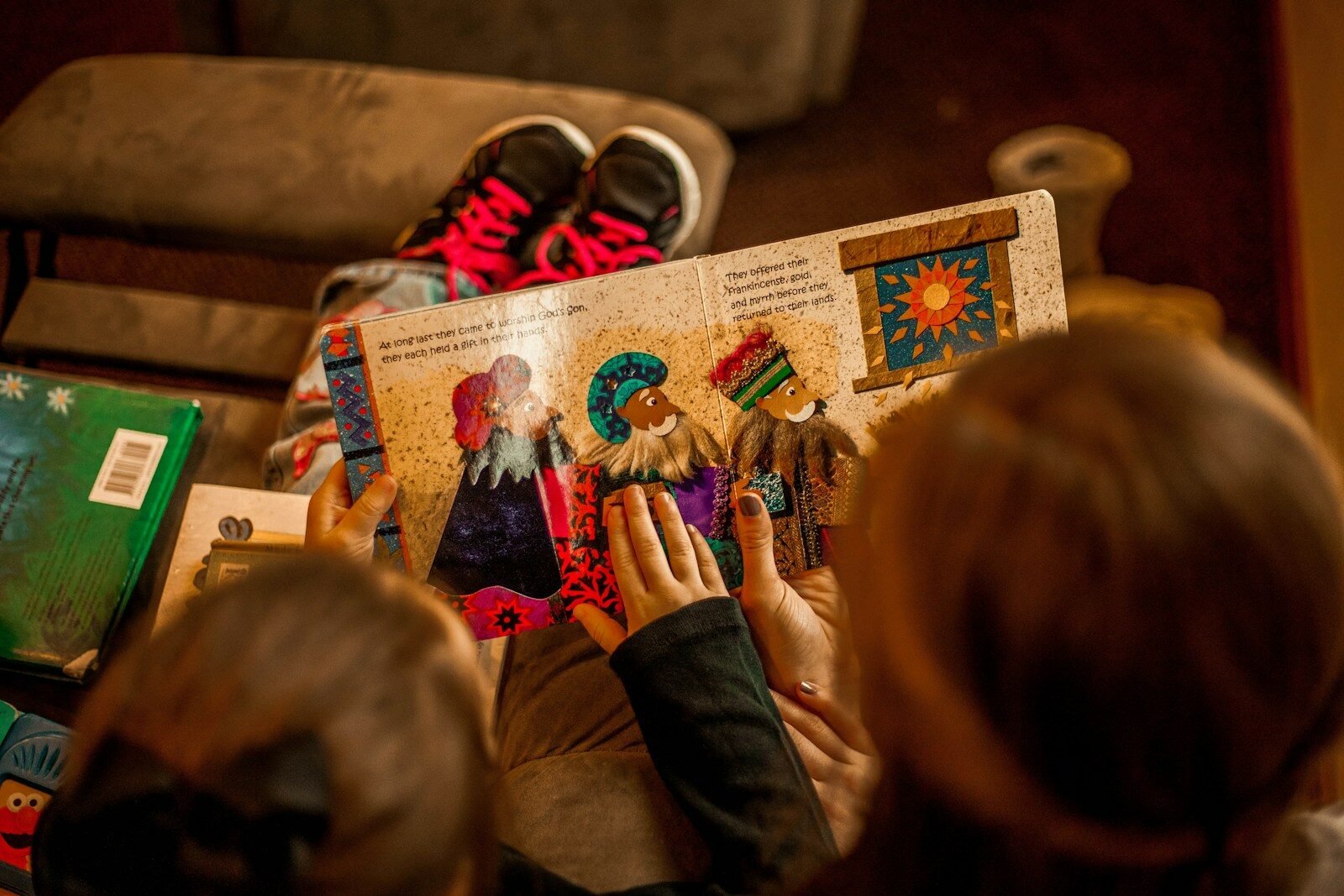
Lighting matters more than it first seems. Natural daylight is ideal for play and reading, so keep windows unblocked where possible, and add a soft overhead light plus a small lamp in the reading corner for darker hours. Avoid a single harsh light, which can make the room feel flat and tiring.
Colour works best when the base stays calm and the bright colours come from toys, books, and accessories. A neutral wall with colourful bins, cushions, and art displays feels cheerful without being overwhelming, and it is much easier to change later than a brightly painted wall. A simple display rail or a length of wire with clips lets children show their own artwork and swap it easily, which gives them pride in the room.
For small spaces, use the walls and the backs of doors: wall-mounted pockets, a fold-down table, or a narrow shelf above a desk can add storage without taking floor space. If the play area shares a room with adults, a low shelf or a rug can mark the boundary so toys stay on one side. Start with storage, a rug, and a table, then add pieces slowly as you see what your children actually use, rather than furnishing the whole room at once.
Conclusion
A good playroom does not need to be big, expensive, or perfect. With clear zones, storage children can reach, safe and stable furniture, and surfaces that forgive mess, playroom ideas turn into a room children enjoy and adults can live with. Start with the layout, add storage before buying more toys, and let the room change as your children grow, keeping what works and moving on from what does not.
Disclaimer: This article is for general informational purposes only and does not replace professional advice. Always follow product safety guidance and manufacturer instructions, and consult a qualified professional for structural, electrical, or safety work.