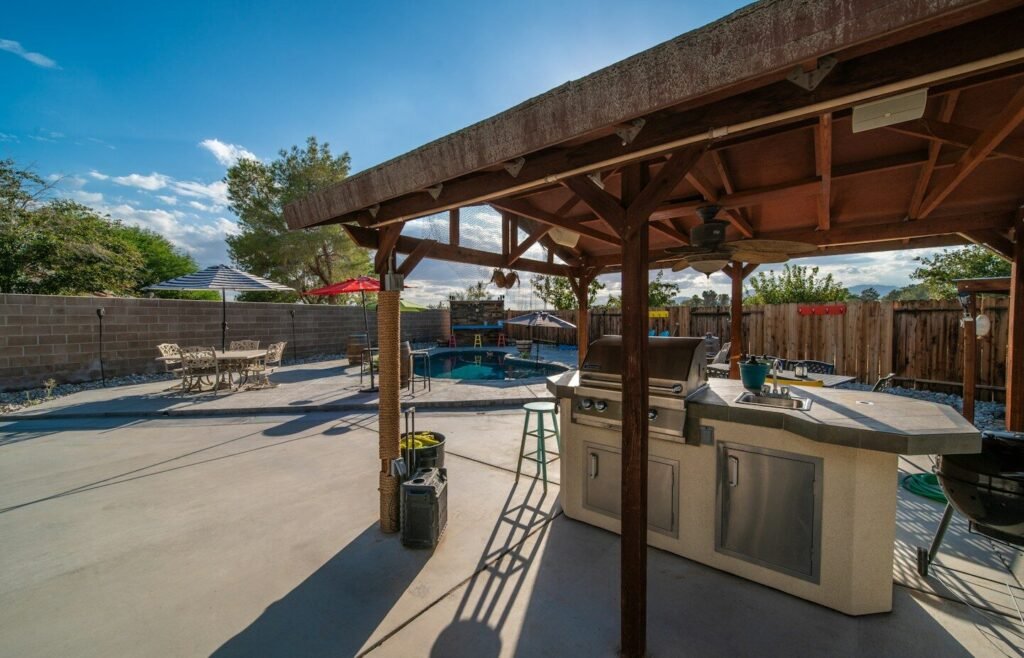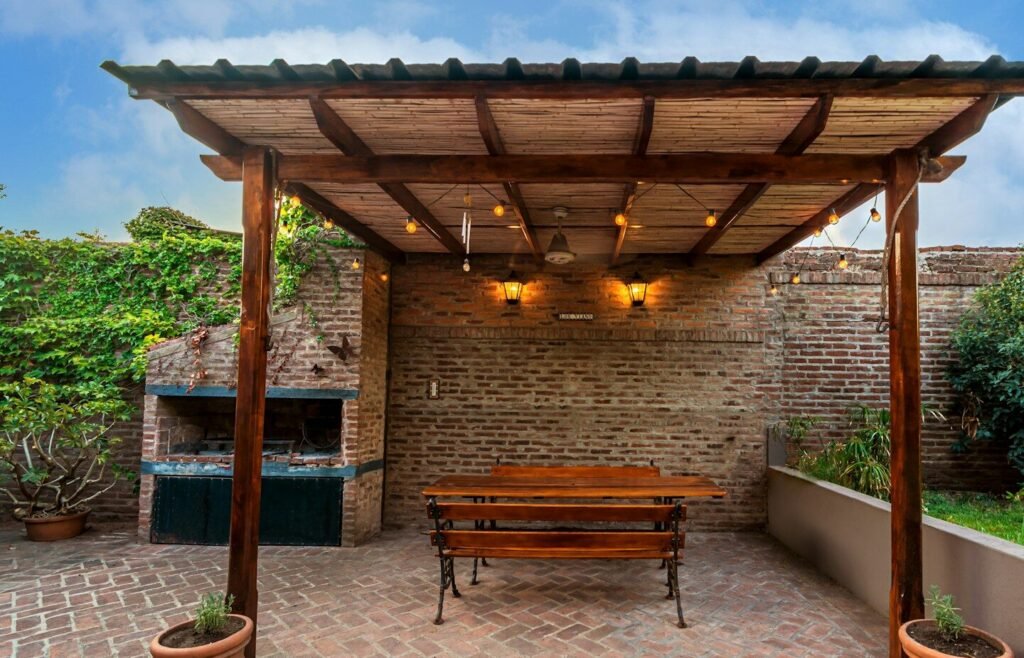
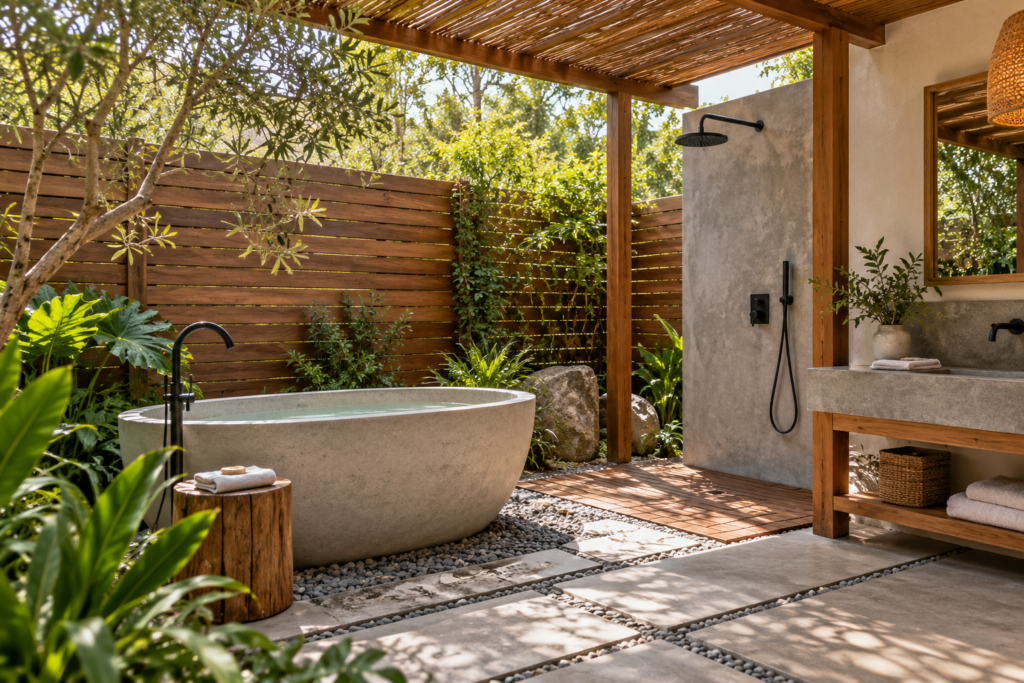
An outdoor bathroom can turn an ordinary backyard into a place for slow mornings and quiet evenings. The outdoor bathroom ideas below focus on practical choices — privacy, drainage, materials, and shelter from wind and sun — that make an open-air setup comfortable rather than complicated.
You do not need a large garden or a full renovation to get started. A well-placed shower, a freestanding tub, or a simple wash area can work in a small yard as long as the basics are handled first. This guide walks through the decisions that matter most, in the order worth tackling them.
Start with Privacy
Privacy is the first thing to solve, because it decides whether the space actually gets used. Stand in the spot you have in mind and look around slowly. Check sightlines from neighbouring windows, especially upstairs ones, from garden paths, and from any gate or seating area nearby. A setup that feels exposed will sit unused, no matter how attractive the fittings are.
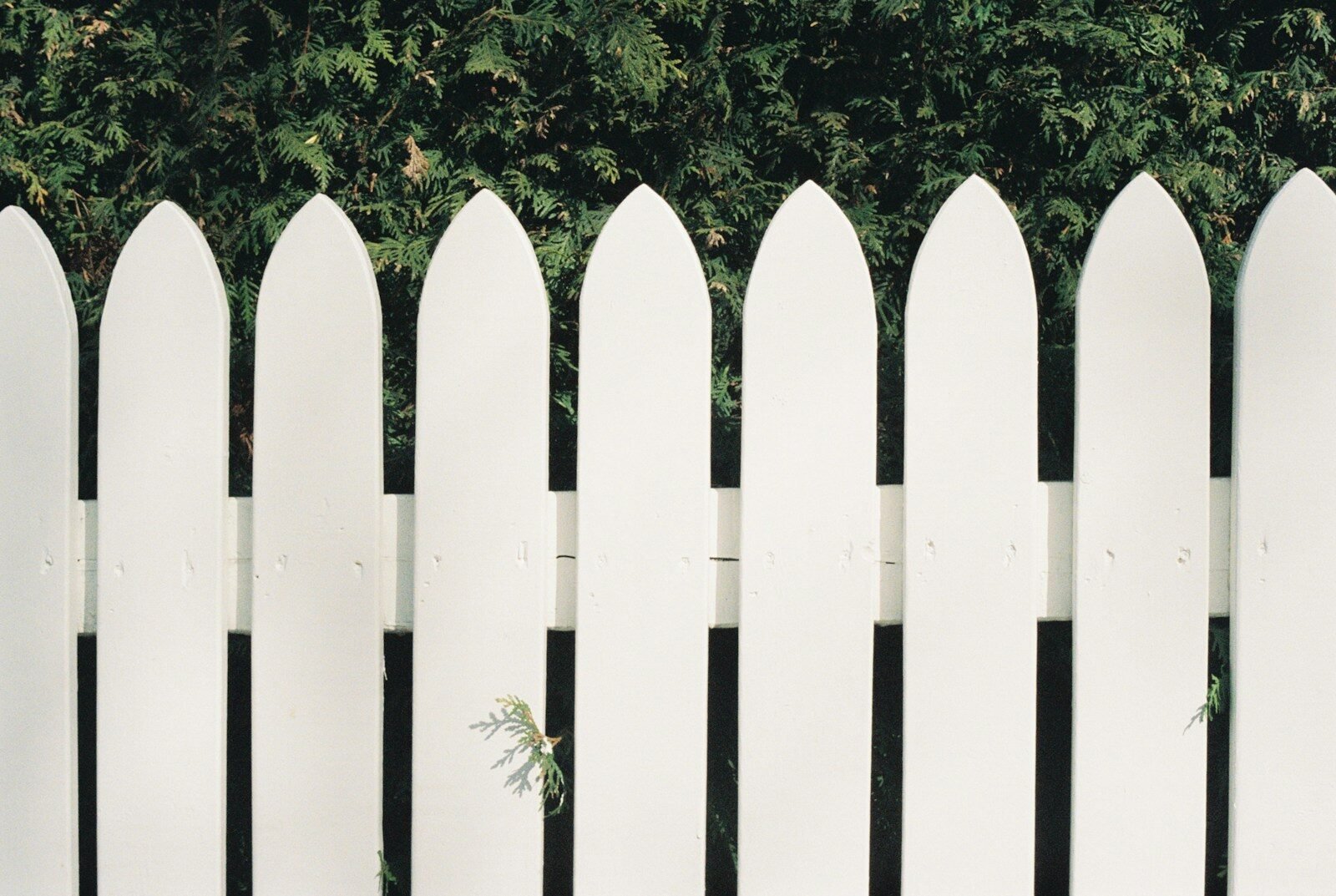
There are several ways to block views without building a closed room. Horizontal timber slats are a popular choice: fixed with small gaps between them, they block direct sightlines while still letting air move through. A low masonry or rendered wall with planting above it gives a more solid feel and works well beside a house wall. Tall planting is another option. Ornamental grasses, evergreen shrubs, or bamboo grown in containers can form a soft screen, and containers keep vigorous roots under control. A pergola with outdoor curtains gives flexible cover — open them on a calm day, draw them closed when you want full seclusion.
Think about how much enclosure you really want. A fully walled space gives complete privacy but can feel stuffy and dark, while a partial screen keeps the breeze and the sense of being outdoors. Most people are happiest somewhere in between: solid screening at eye level, with open sky above. Place the bathing area near a door you already use, ideally one close to a bedroom or existing bathroom, so the walk outside at night is short and easy. Before building anything tall or permanent, check local rules. Some areas require permission for high structures, and plumbing changes almost always have conditions worth confirming in advance.
Pick a Shower or Tub Setup
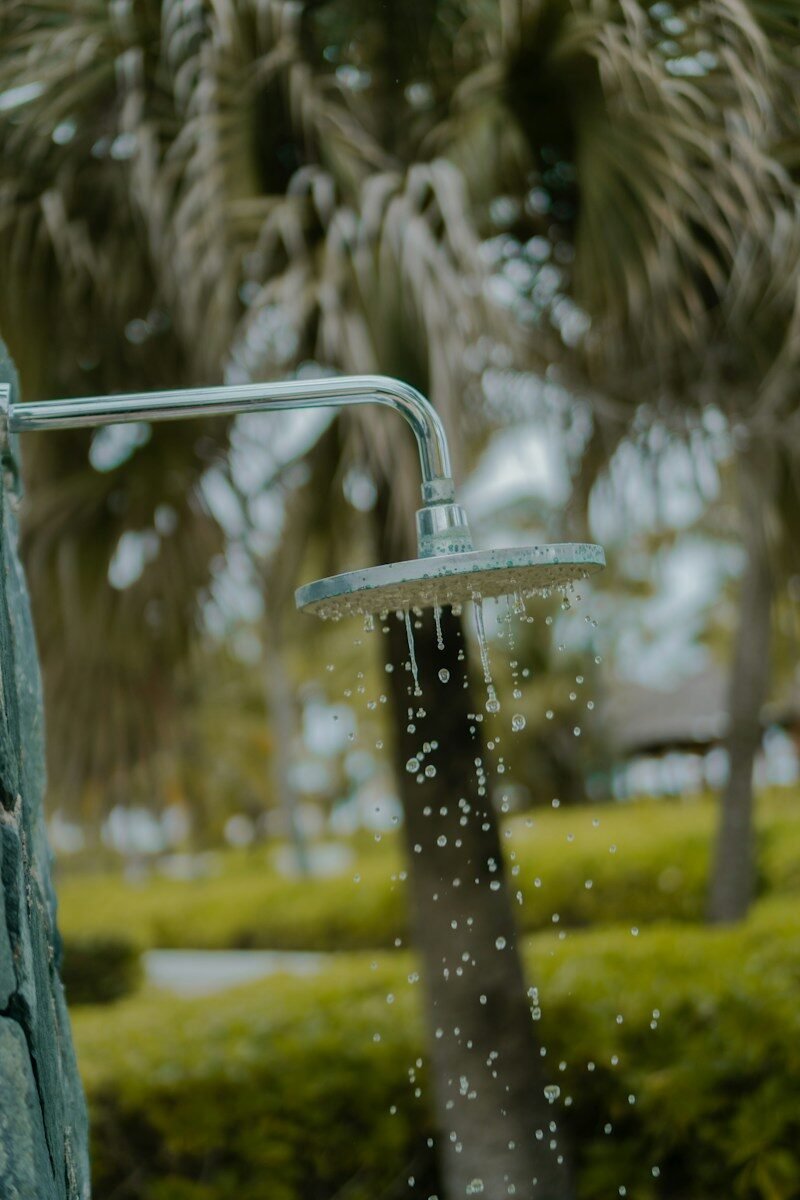
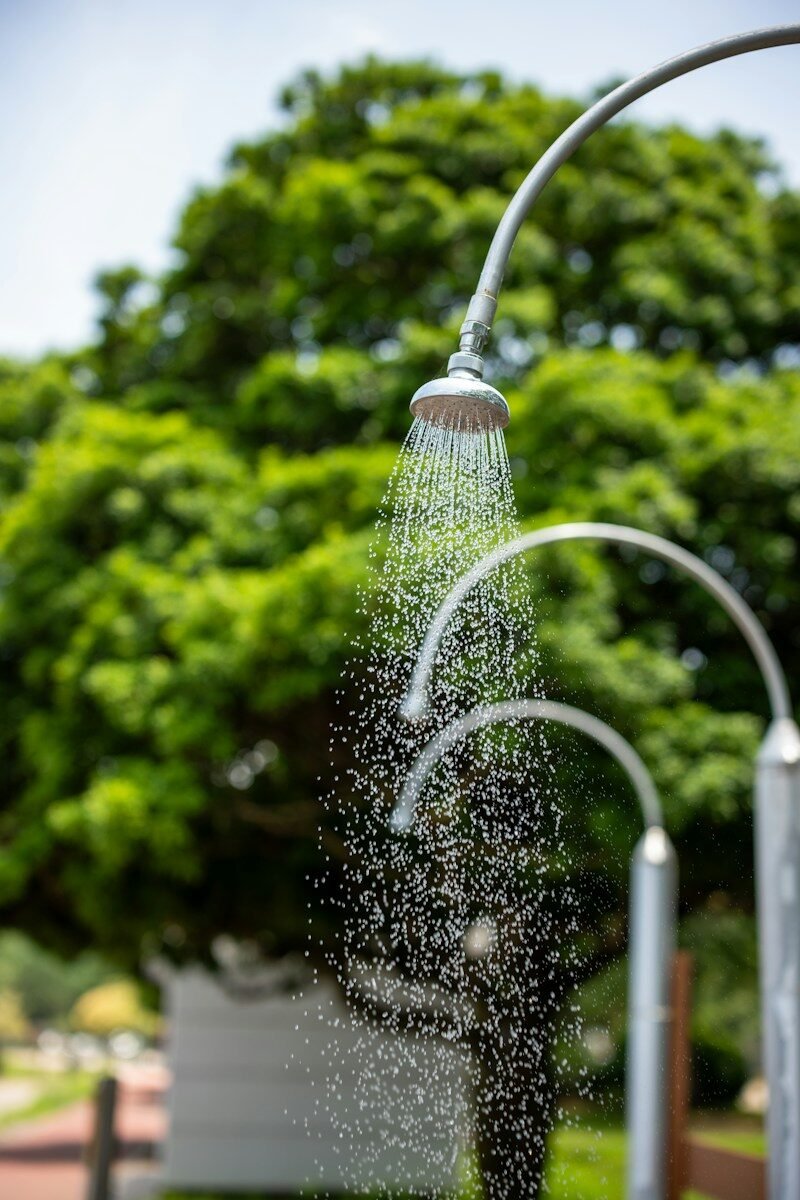
The shower is the simplest place to start. A wall-mounted shower works well when an exterior house wall is nearby, since the pipework run is short and the wall itself provides one side of shelter. A freestanding shower post suits an open part of the garden and can be paired with a screen or a small deck. A rainfall head gives a gentle, even flow, while a handheld head is useful for rinsing feet, children, or pets. Cold water alone is enough for a summer rinse, but most people want warm water for regular use. That usually means connecting to the house supply or fitting a small outdoor-rated heater, both of which are jobs for a professional.
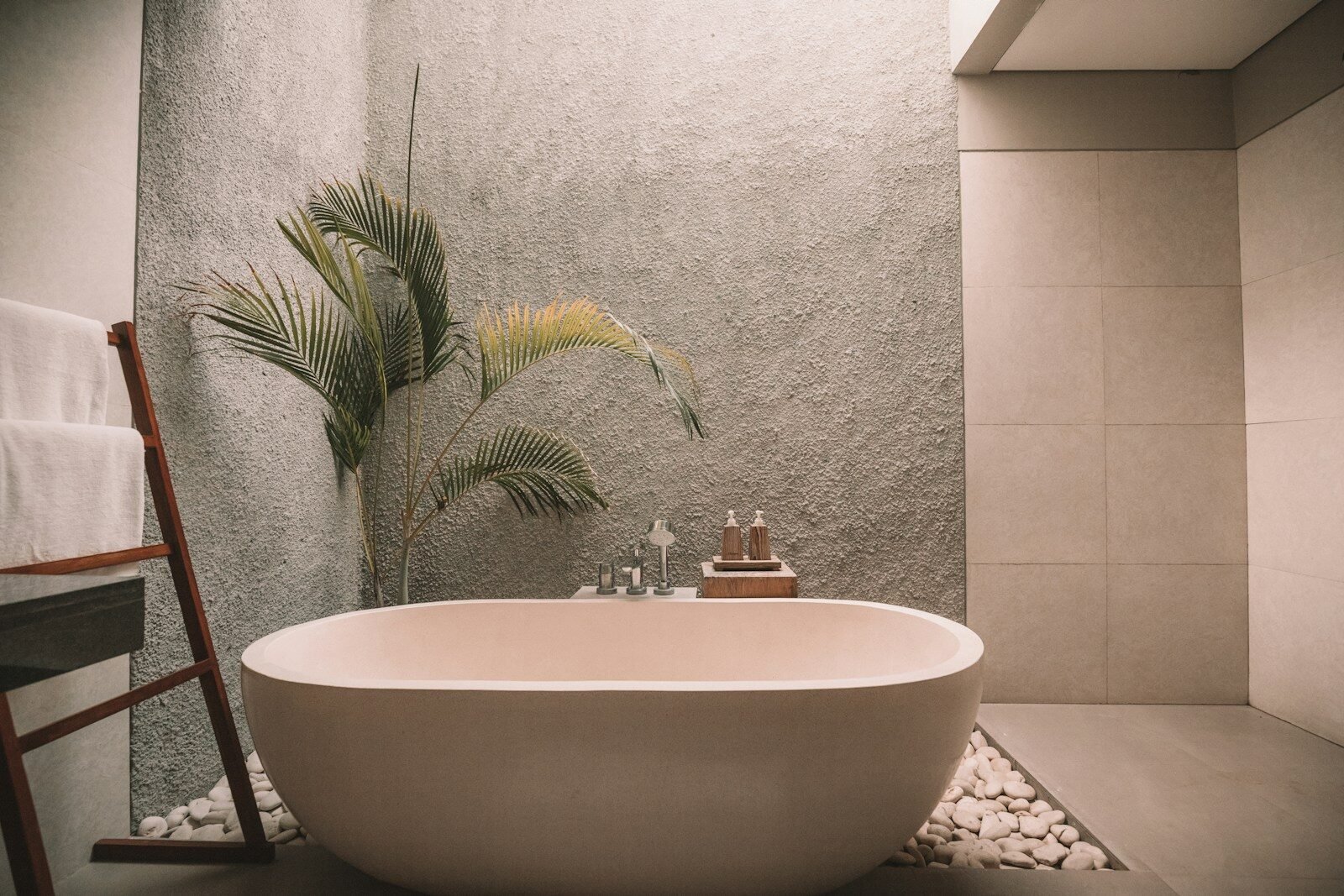
A freestanding tub is a bigger commitment but a very different experience. Stone and concrete tubs hold warmth well and look settled in a garden, but they are heavy, so the ground beneath them must be firm and level. Wooden tubs need more regular care to stay watertight. Whichever type you choose, a fitted cover keeps leaves and insects out between uses and helps the water stay cleaner. A small wash area completes the setup: a wall-hung basin or a simple stand with a mirror is enough for washing hands and face, and it keeps the shower area free for bathing.
If you are unsure how much you will use the space, start with the shower only. Live with it through a season, notice what you miss, and add a tub or basin later. Adding in stages is usually cheaper and leads to better choices than building everything at once.
Use Materials That Handle Weather
Everything outdoors faces rain, sun, frost, and dirt, so material choice matters more here than it does inside. For flooring, natural stone flags and textured concrete both drain well and stay steady underfoot. Decking boards with gaps between them let water through, and a gravel base is a simple, low-cost option for a shower area. Whatever you choose, the surface should stay non-slip when wet. Textured stone, grooved decking, or a draining mat all help.
For timber, teak and cedar cope well with outdoor conditions. They can be sealed to hold their colour or left to silver naturally over time, which suits many garden styles. Other timbers need regular treatment to avoid warping and rot, so check what yours requires before committing. For fixtures, stainless steel and brass resist rust far better than coated metals, and it is worth checking fixings and screws too, since a rusting screw can stain stone or timber around it.
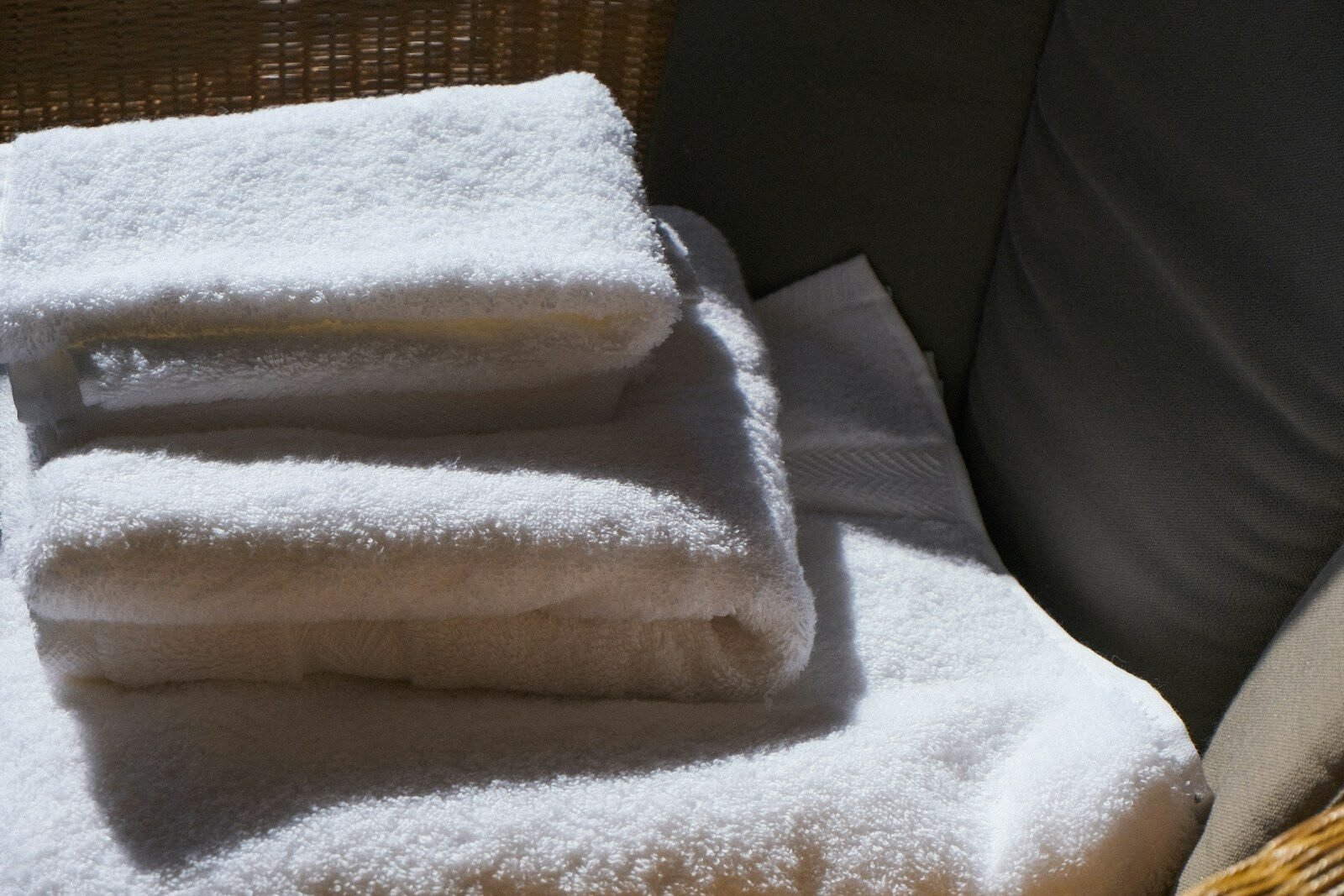
Textiles should be quick to dry and easy to bring inside. Outdoor-rated cushions, a simple cotton robe, and towels kept in a lidded box near the door will last far longer than ordinary indoor items left outside. Keep the total number of items low. An outdoor bathing space is easier to enjoy, and to clean, when every piece in it has a clear purpose.

Get Drainage and Plumbing Right
Drainage is the least glamorous part of the project and the one most worth getting right. Every drop of water needs a planned destination. Depending on your area, options include connecting to the existing wastewater system, a soakaway for shower water, or a gravel bed that lets water filter away slowly. Rules differ from place to place, and some areas restrict where grey water may go, so confirm the local position before you dig or connect anything.
Slope the floor gently toward the drain so water does not pool around your feet or against walls. Keep the drain itself clear of leaves and grit, and check it after storms. In colder climates, exposed pipes need insulation, and a drain-down point lets you empty the supply before a freezing spell. Shutting off the outdoor supply in winter is a simple habit that prevents burst pipes.
Safety note: hire a licensed plumber for any new water supply, drainage connection, or gas water heater work, and a licensed electrician for outdoor wiring, sockets, and fixed lighting. Water, gas, and electricity outdoors are not suitable for do-it-yourself work, and professional installation also keeps insurance and local compliance in order.
Make It Comfortable in Every Season
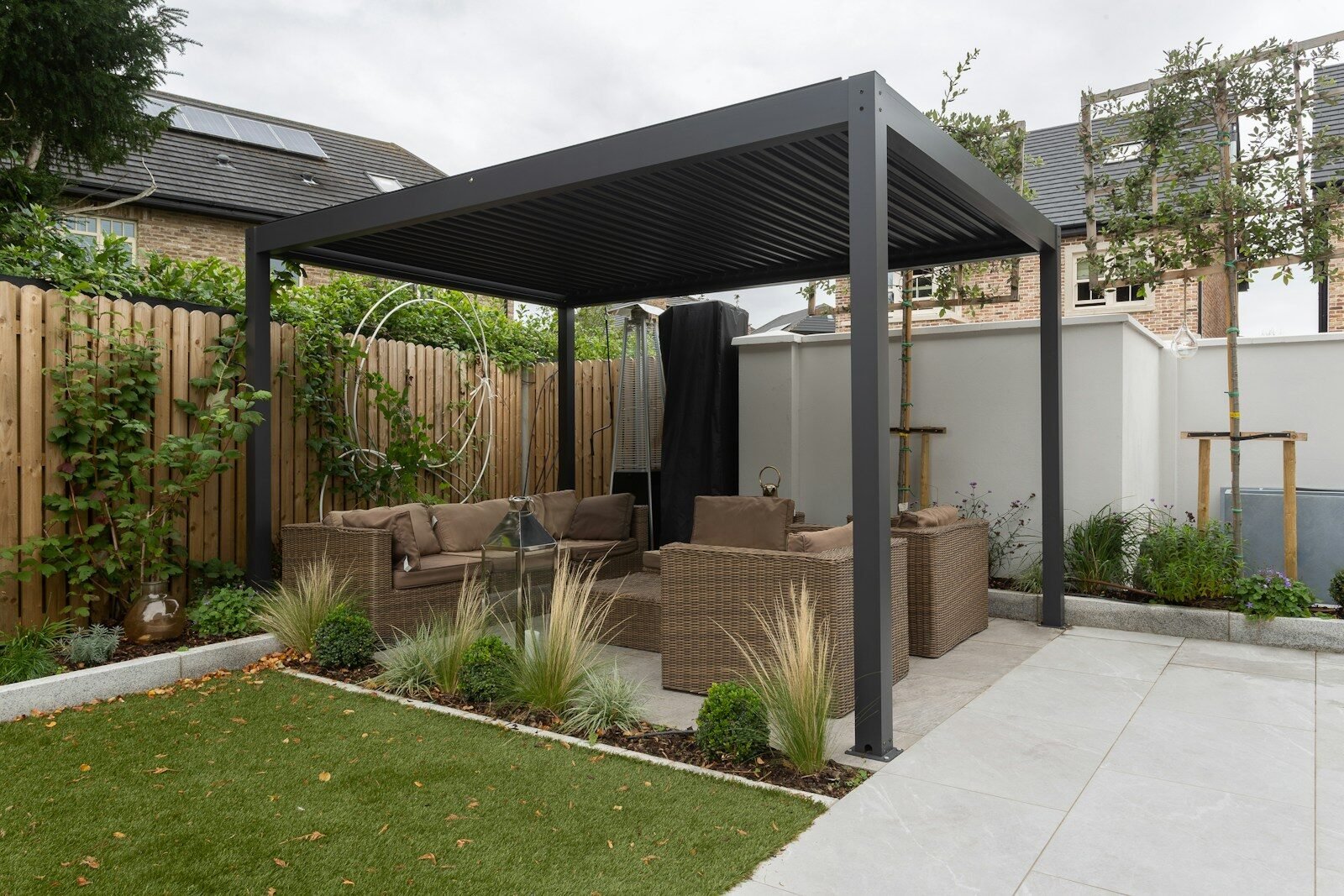
A space that only works in summer will disappoint. Shade is the first comfort to plan. A pergola, a shade sail, or an existing tree canopy takes the edge off harsh afternoon sun, while morning sun is usually welcome and helps surfaces dry. Wind protection matters just as much. A screen, a hedge, or a partial wall on the side the wind usually comes from makes a noticeable difference on cooler days.
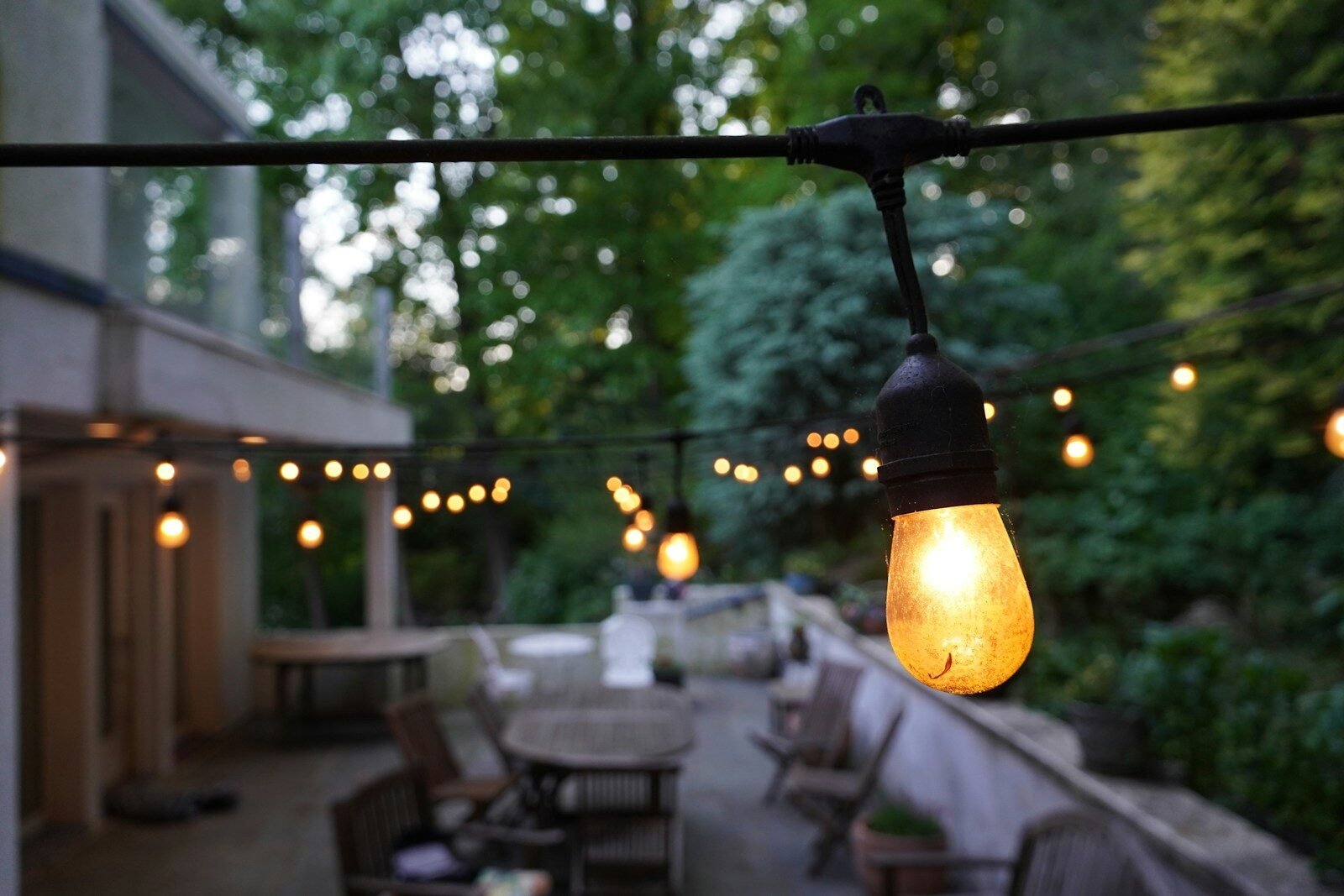
Warm water and dry towels within arm’s reach matter more than luxury fittings. A hook for a robe, a small bench for clothes, and a shelf for soap turn a basic shower into a routine you look forward to. For lighting, low, warm lights along the path and near the shower are more pleasant than a single bright fixture. Solar lights suit places where wiring is difficult, while wired lights give steadier light where you need it most — fitted by a licensed electrician.
Seasonal care is simple if it is built into the routine. Cover the tub when it is not in use, bring cushions and textiles inside during wet or cold spells, and clear drains in autumn when leaves fall. A few minutes of care after use keeps the space ready rather than letting jobs pile up.
Lighting, Storage, and Small Details
Small details decide whether the space feels easy or awkward. Put hooks at a height you can reach without stretching, add a stool or small bench for clothes and towels, and keep toiletries in a lidded box or a wall niche so they are protected from rain. A shelf near the shower for soap and shampoo avoids slippery bottles on the floor. Keep surfaces as clear as possible: the fewer loose items there are, the quicker cleaning becomes and the tidier the space looks.
Keeping It Clean
Cleaning an outdoor bathing space is mostly a matter of rinsing and sweeping. Rinse fixtures after use, sweep leaves off the floor, and scrub stone occasionally to stop algae making surfaces slippery. Check timber seals once a year and re-treat when water stops beading on the surface. Empty and wipe the tub cover from time to time so it does not trap damp underneath. None of this takes long, and regular small efforts beat an occasional deep clean.
Conclusion
An open-air bathing space works best when the unglamorous decisions come first — privacy, drainage, and materials that suit your climate. Start small, use the setup through a full season, and add comforts only after you know what you actually miss. Done this way, outdoor bathroom ideas can turn an unused corner of the garden into one of the most enjoyable parts of the home, without a complicated build or a long list of maintenance chores.
Disclaimer: This article is for general information only and is not professional advice. Building, plumbing, drainage, and electrical work must follow local regulations, and a licensed professional should be consulted where required.