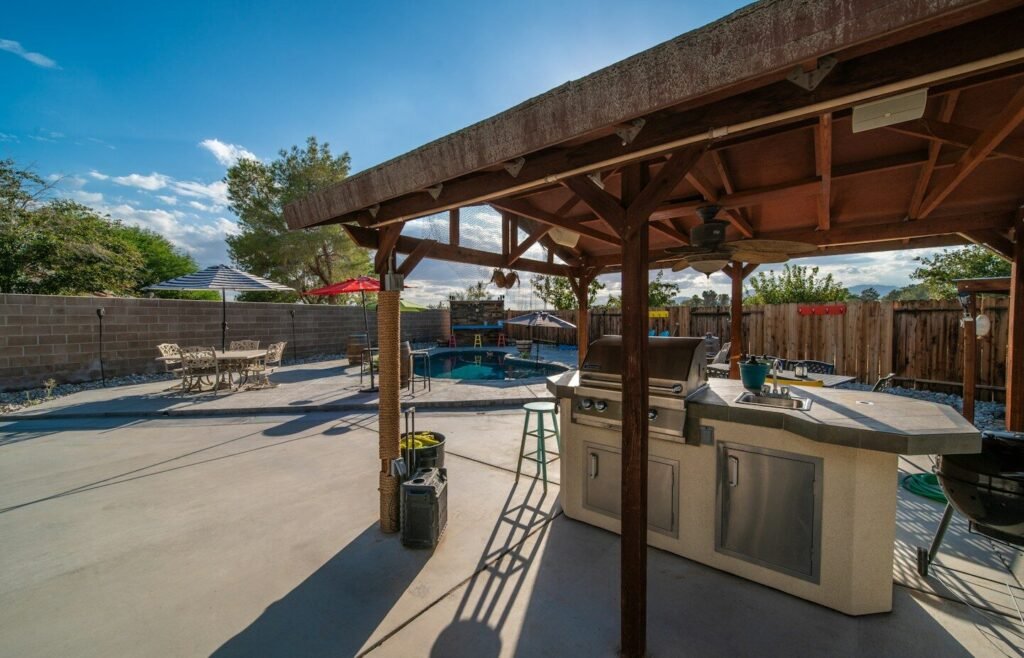
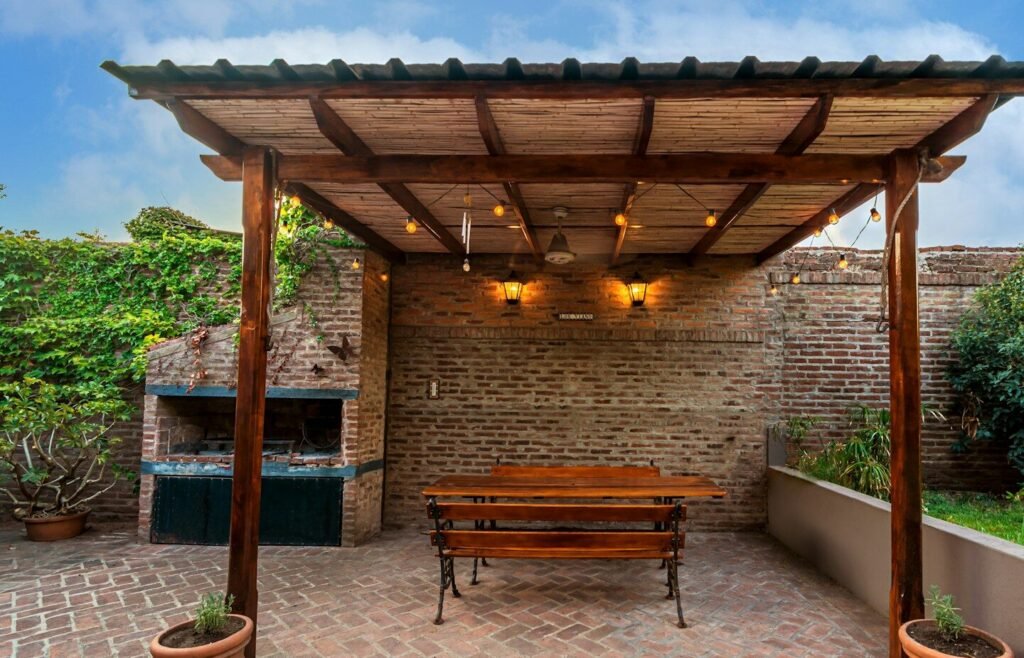
A patio without cover is a fair-weather space. It works on mild days and empties when the sun gets strong or rain moves in. A roof changes that, turning the same slab of concrete or pavers into a room you can use through more of the year. The outdoor covered patio ideas in this guide focus on that change: roof styles, shade, layout, furniture, and lighting that make a covered patio comfortable rather than just covered.
Before you choose a roof or buy furniture, decide what the patio is for. A dining spot needs different clearances than a lounge corner, and a grill station needs different ventilation. Pick one main use, then let the roof, layout, and furniture follow it.
What a Covered Patio Gives You
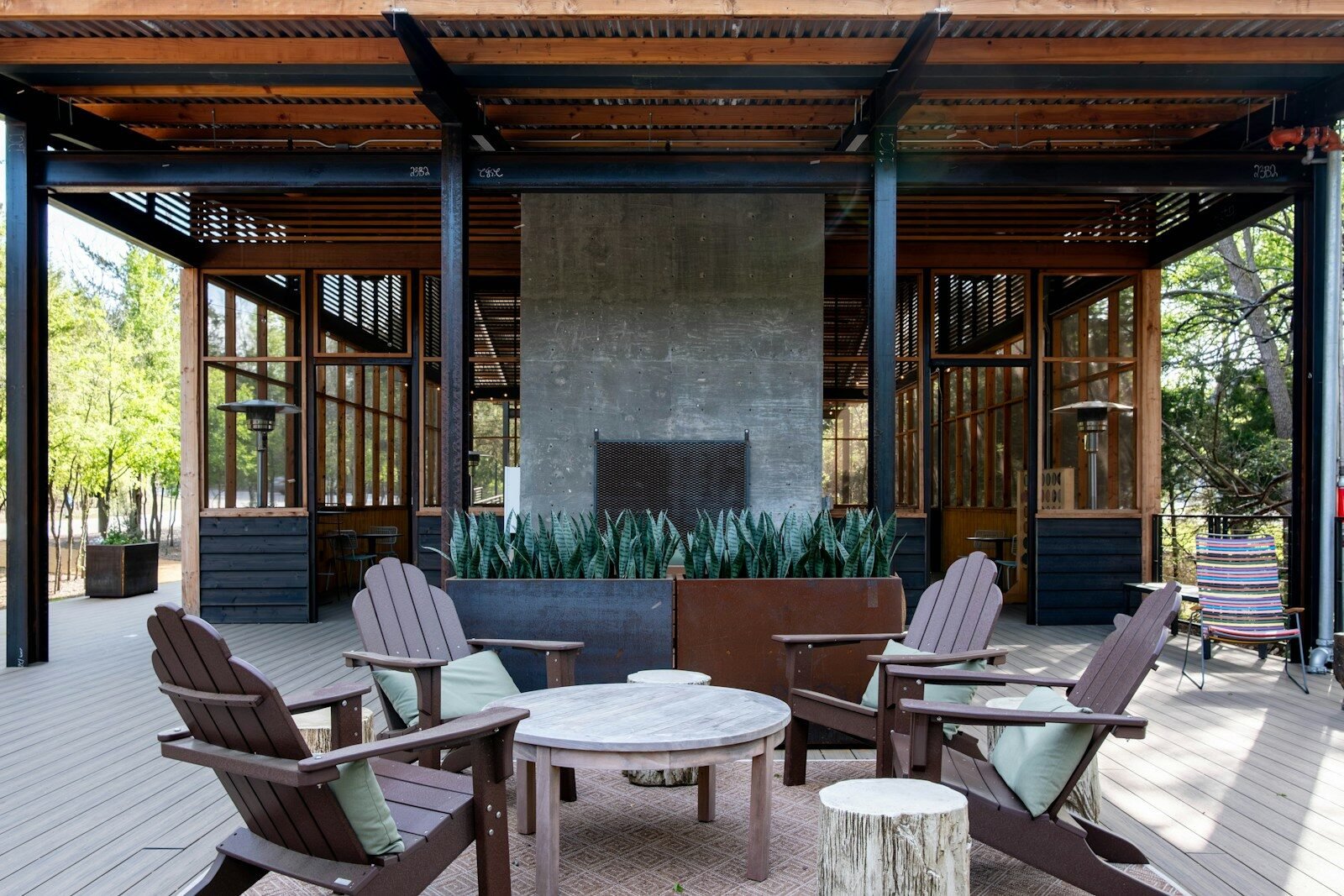
A cover does three jobs at once. It blocks direct sun, keeps rain off furniture and guests, and defines the patio as a room rather than an open slab. That definition matters: once the space reads as a room, it is easier to furnish, light, and use.
A cover also protects furniture from sun and rain, which extends its life and reduces how often cushions need to come inside. The trade-off is that a roof needs proper support, drainage, and clearance, so the structure itself deserves more planning than the furniture under it.
The Main Ideas, Explained
The five points below carry the most weight. Get these right, and the rest of the patio falls into place.
Choose a roof style that fits your house and climate
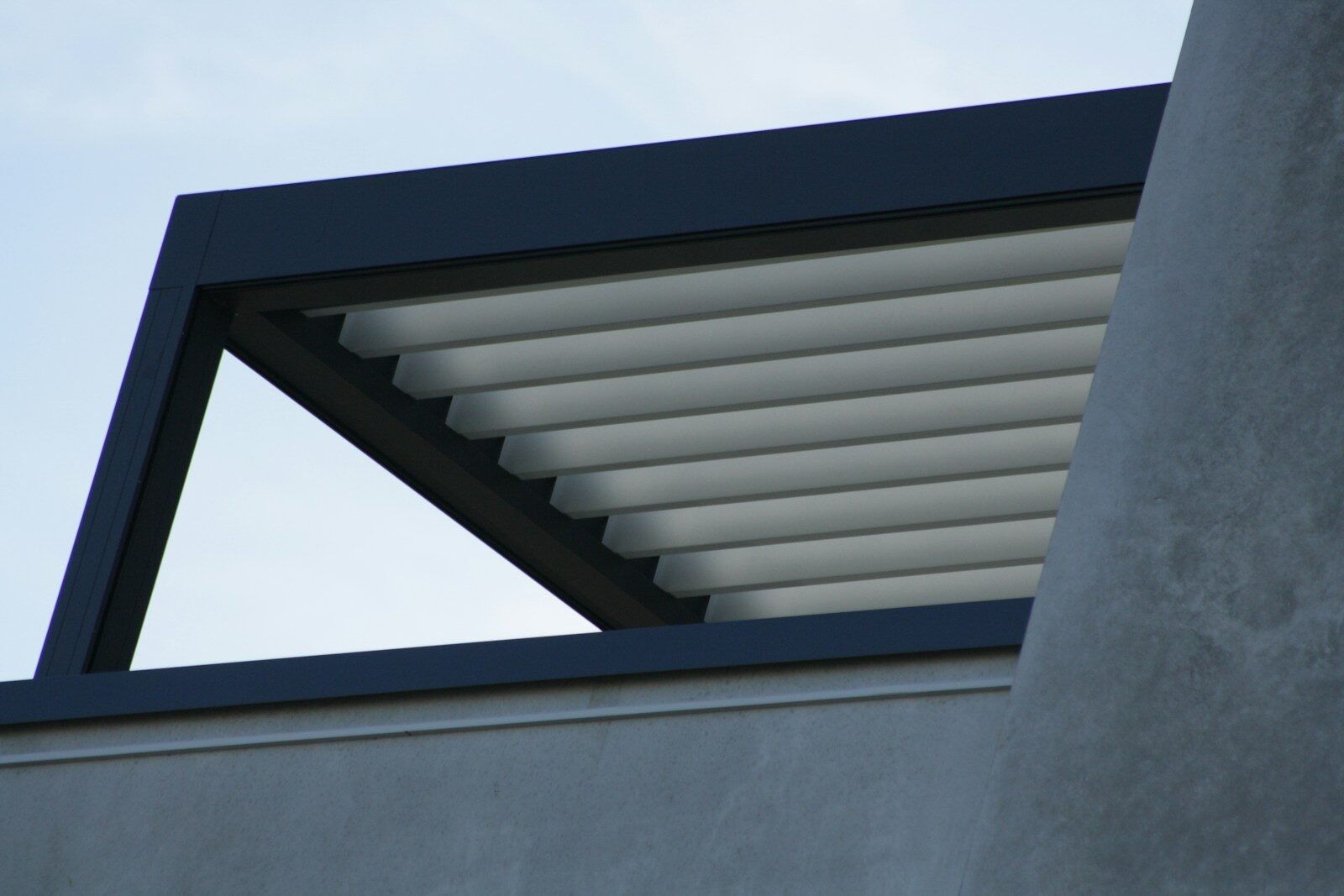
Roof styles differ mainly in how much weather they block and how much light they let through. A solid roof extension, tied into the house, gives full rain protection and the most room-like feel, but it also needs proper footings, framing, and drainage. A pergola with a retractable canopy or shade cloth gives sun control with more airflow and light, and it suits mild climates where full rain cover matters less. A louvered roof sits between the two: the slats open for sun and air, and close for rain.
Match the roof to your house as well as your weather. A cover that clashes with the roofline or sits too low can make the whole house look awkward, while one that follows the existing lines looks like it was always there. Height matters too. A low roof traps heat and feels dark, while a higher roof with open sides keeps air moving and light coming in from the edges.
Roofed structures are not a casual weekend build. Footings, beams, attachment to the house, and drainage all affect safety and durability, and many areas require a permit for an attached cover. Have a licensed professional design or check the structure, and confirm local permit rules before work starts.
Plan shade for the whole day, not just midday

A roof blocks overhead sun, but morning and evening sun comes in low from the sides. A patio that is comfortable at noon can still be unusable at dinner when western sun cuts across the table. Plan for those low angles from the start.
Side options include outdoor curtains, roll-down shades, lattice panels, and tall plants placed to block the worst angle without closing off airflow. Adjustable options work well here, since they let you open the sides again when the sun moves on. For a west-facing patio, western screening matters more than any other single addition.
Think about the seasons as well. A fixed solid roof shades the patio in summer but can also darken nearby indoor rooms in winter. A retractable canopy or louvered roof gives you a way to let light back in during colder months, which keeps the patio and the rooms behind it brighter.
Set the layout around movement and the door

A covered patio fails when furniture blocks the way people actually move. Keep the dining area near the kitchen door so carrying food stays short, and put the lounge seating where the view or breeze is best. Leave clear paths between the door, the seating, and the yard so nobody has to step around chairs.
Measure before you buy, and leave room to walk around each piece. A table needs space for chairs to pull out, and a grill needs clearance from the roof, walls, and railings, plus a safe spot for hot food to land. If the patio is small, choose fewer, better-fitting pieces rather than a full set that crowds the space.
Use the floor to mark zones without building walls. A large outdoor rug under the seating area, a change in paving, or the direction chairs face can separate dining from lounging. When zones are clear, the patio feels larger because every part has a reason to exist.
Pick furniture and fabrics built for weather
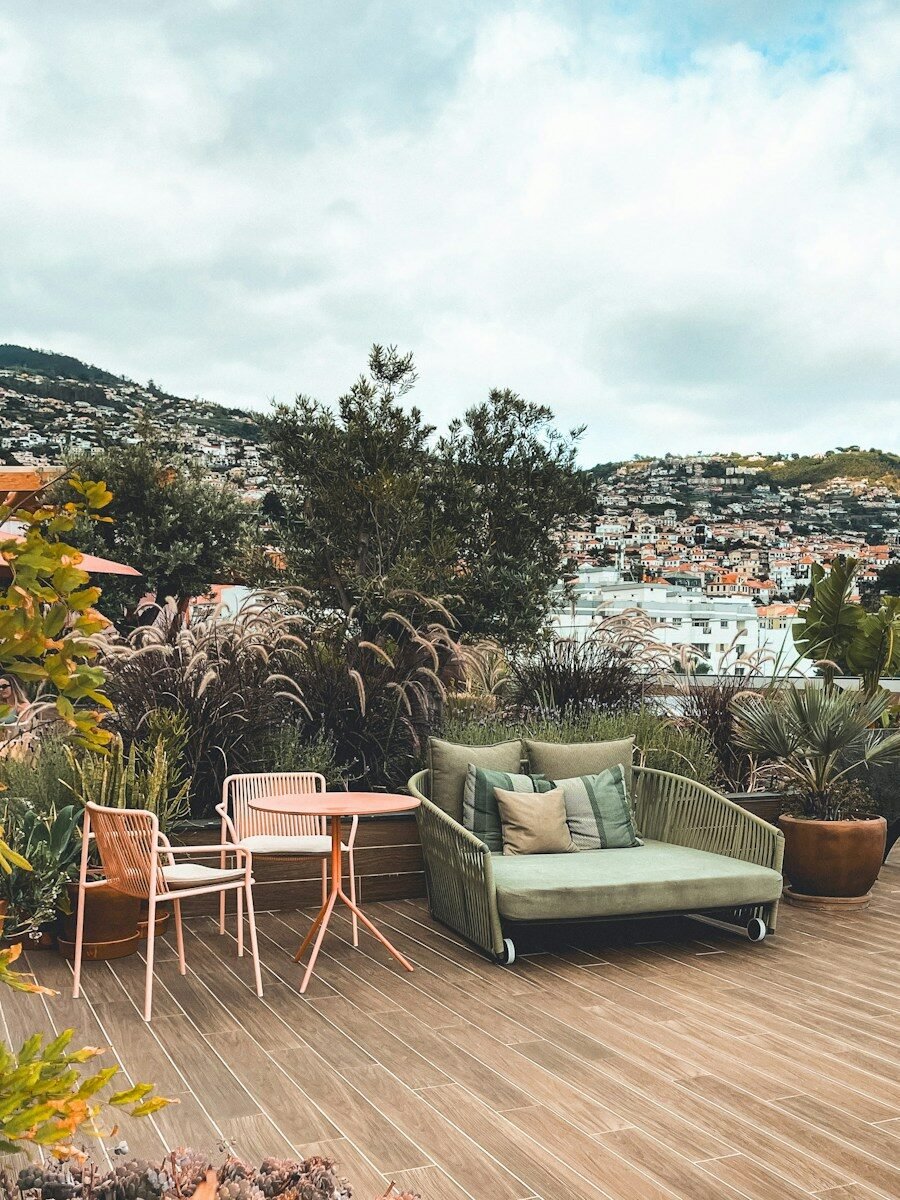
A cover helps, but it does not make a patio indoors. Humidity, blown rain, and dust still reach the furniture, so indoor-only pieces will not last. Choose frames made for outdoor use, such as powder-coated aluminum, teak, or all-weather wicker, and look for joints and finishes that handle moisture without rusting or peeling.
Cushions matter as much as frames. Quick-dry foam and removable, washable covers make the difference between seating that stays inviting and seating that smells damp after rain. Even with a roof, store cushions in a deck box or shed during heavy storms and over winter, and choose covers that allow airflow rather than sealing damp fabric in plastic.
An outdoor rug should be rated for outdoor use, with a backing that drains and dries. Indoor rugs trap moisture underneath and can stain the patio surface. The same rule applies to throws and pillows: keep them outdoors-rated, and bring soft items inside when they are not needed.
Layer lighting so evenings work
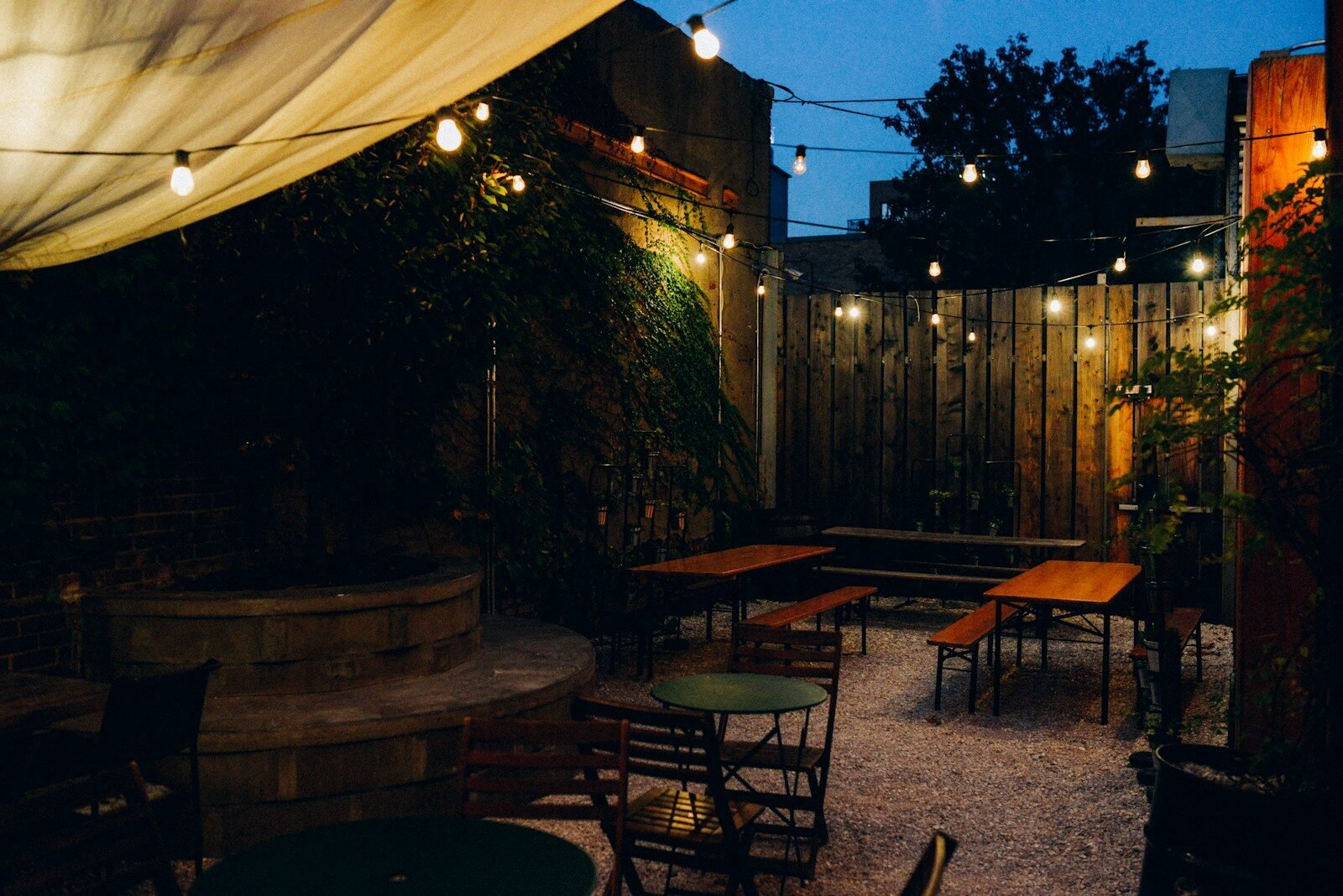
A covered patio without lighting closes at sunset, which wastes the best hours of a summer evening. Layered lighting keeps it open: a pendant or string lights under the roof for general glow, a brighter light over the dining table or grill for tasks, and lanterns or candles on tables for a softer feel.
Keep the light warm and low rather than bright and harsh. Bright white floodlights under a roof make the space feel like a work site. Dimmer controls on the main lights help, since they let you shift from cooking light to evening light without changing anything else.
For any wired lighting, outdoor outlets, or fixtures near water, use a licensed electrician and weather-rated fittings. Solar options work well for paths and accents around the patio because they need no wiring, but the main lights under a roof are worth wiring properly.
More Ideas in Brief
- A ceiling fan under a solid roof to keep air moving on still days.
- A storage bench or deck box for cushions, throws, and grill tools.
- Planters at the patio edges to soften the roofline and add privacy.
- An outdoor rug large enough for all front legs of the seating to sit on.
- A clear path from the house to the patio, lit at night.
- A small side table beside every seat, so drinks never land on the floor.
- A grill station with prep space and a landing spot for hot food.
- Wind protection on the most exposed side, using screens or planting.
Small Patios Need a Different Approach
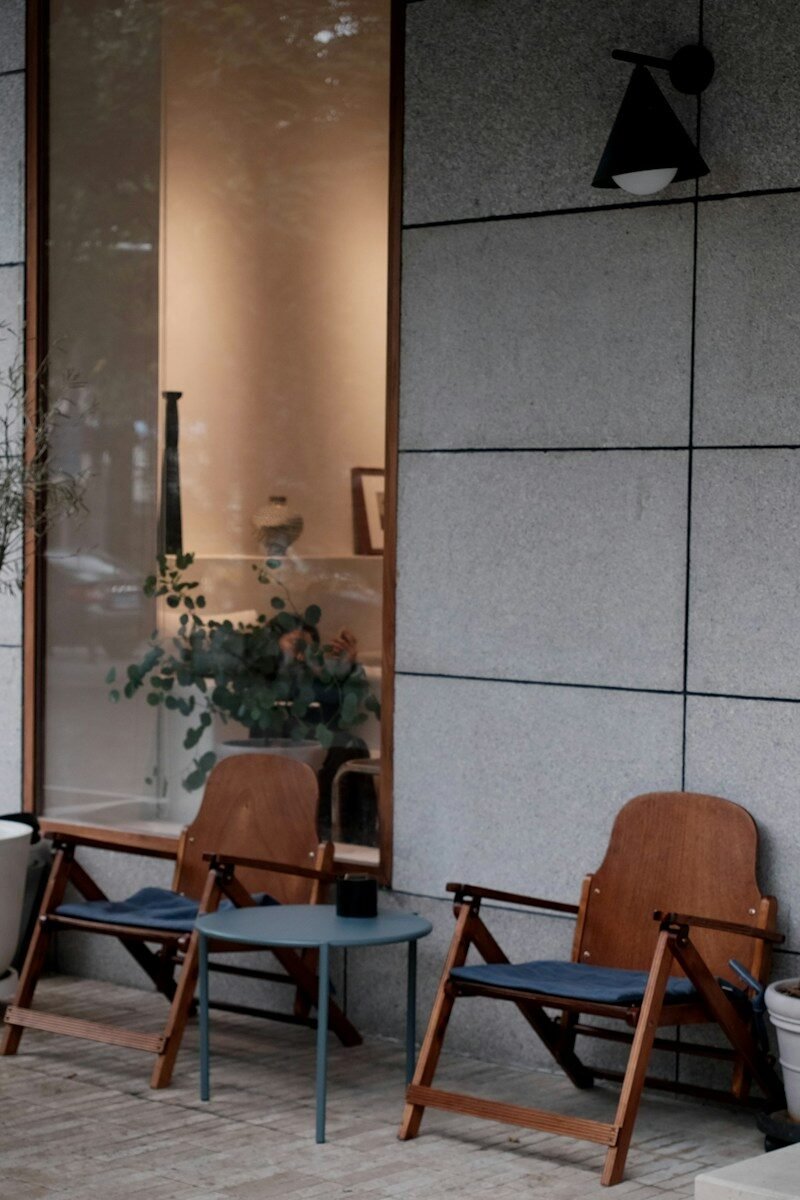
Small patios punish oversized choices. Measure the space before buying anything, and choose furniture that does two jobs, like a bench with storage or a table that folds away. A single rug, large enough for the seating to sit on, makes the whole area read as a room rather than a leftover strip. Use fewer, larger plants instead of many small pots, which tend to look cluttered, and keep one clear path from the door so the space never feels blocked.
Mistakes That Waste Money and Space
- Building a roof without checking permits, drainage, or snow and rain load.
- Hanging the roof too low, which traps heat and darkens the space.
- Ignoring low evening sun, so the patio is unusable at dinner.
- Buying furniture before measuring, then crowding the walking paths.
- Placing a grill too close to the roof, walls, or railings.
- Skipping lighting, which makes the patio unusable after dark.
- Choosing indoor-only furniture and fabrics for an outdoor space.
Safety Notes Before You Build
Roofed covers touch systems that deserve respect. Structural work, such as footings, beams, and attachment to the house, should be handled or checked by licensed professionals, as should electrical wiring and gas lines for heaters or grills. Follow the manufacturer’s instructions for grills and heaters, keep heat sources clear of the roof and other structures, and check local rules for permits and fire features before starting work.
FAQs
Do I need a permit for a covered patio?
It depends on your area and the type of cover. Freestanding shade sails and umbrellas usually need no permit, while an attached solid roof often does. Check with your local building office before you build, since rules vary and an unpermitted structure can cause problems later.
What is the cheapest way to cover a patio?
A shade sail or a retractable canopy over a simple frame usually costs less than a solid roof, and both can be removed or adjusted. They give good sun cover but less rain protection, so they suit mild climates or patios where full weather cover is not essential.
How do I keep a covered patio from feeling dark?
Keep the roof as high as practical, leave the sides open for daylight and air, and use light-colored ceiling and furniture finishes. A louvered roof or a retractable canopy also helps, since it lets you open the sky again when you want more light.
Can I cover a patio if I rent?
Yes, with removable options. A freestanding canopy, a large umbrella, or a shade sail on a portable frame gives cover without drilling into the house or building a structure. Check your lease first, and avoid anything that attaches to the building without permission.
Conclusion
These outdoor covered patio ideas share one rule: build the cover around how you will actually use the patio. A roof style that fits the house, shade that works all day, a layout with clear paths, weather-ready furniture, and layered evening lighting do more than any single purchase. Start with the roof and one seating zone, use it for a few weeks, and add the next piece only when you know it will earn its place.