
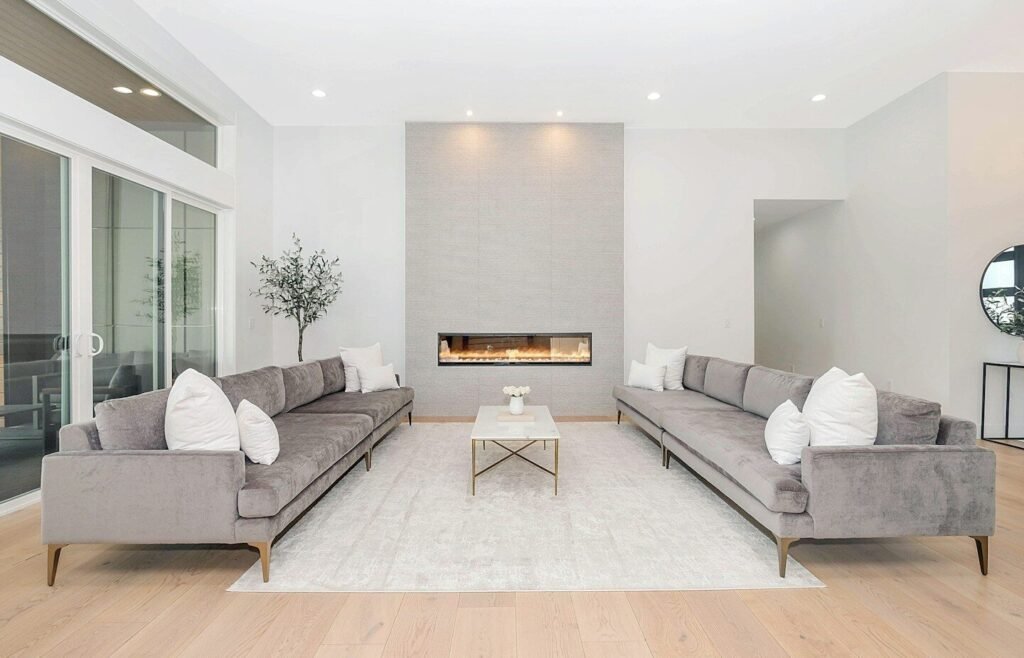
A fireplace can make a modern room feel settled. Without one, a large living wall often looks empty, and seating has no natural direction. With one, the room gains a focal point, a source of warmth, and a place people gather around without thinking about it.
The modern fireplace ideas below focus on the decisions that matter most: choosing the right type, giving it a clear place in the room, keeping the surround simple, styling the mantel with restraint, and handling heat and safety properly. Get those right, and the fireplace will look like it belongs in the home rather than an addition bolted onto it.
What Makes a Fireplace Feel Modern
A modern fireplace is defined less by technology and more by restraint. The lines are clean, the surround is simple, and ornament is kept to a minimum. Instead of heavy carving or fussy detail, the design relies on proportion, one or two honest materials, and a firebox shape that suits the wall.
That simplicity is also what makes a modern fireplace easy to get wrong. With little decoration to hide behind, every choice shows: the size of the firebox, the material of the surround, and the objects on the mantel all carry more weight. The sections below take each choice in turn.
Start with the right fireplace type
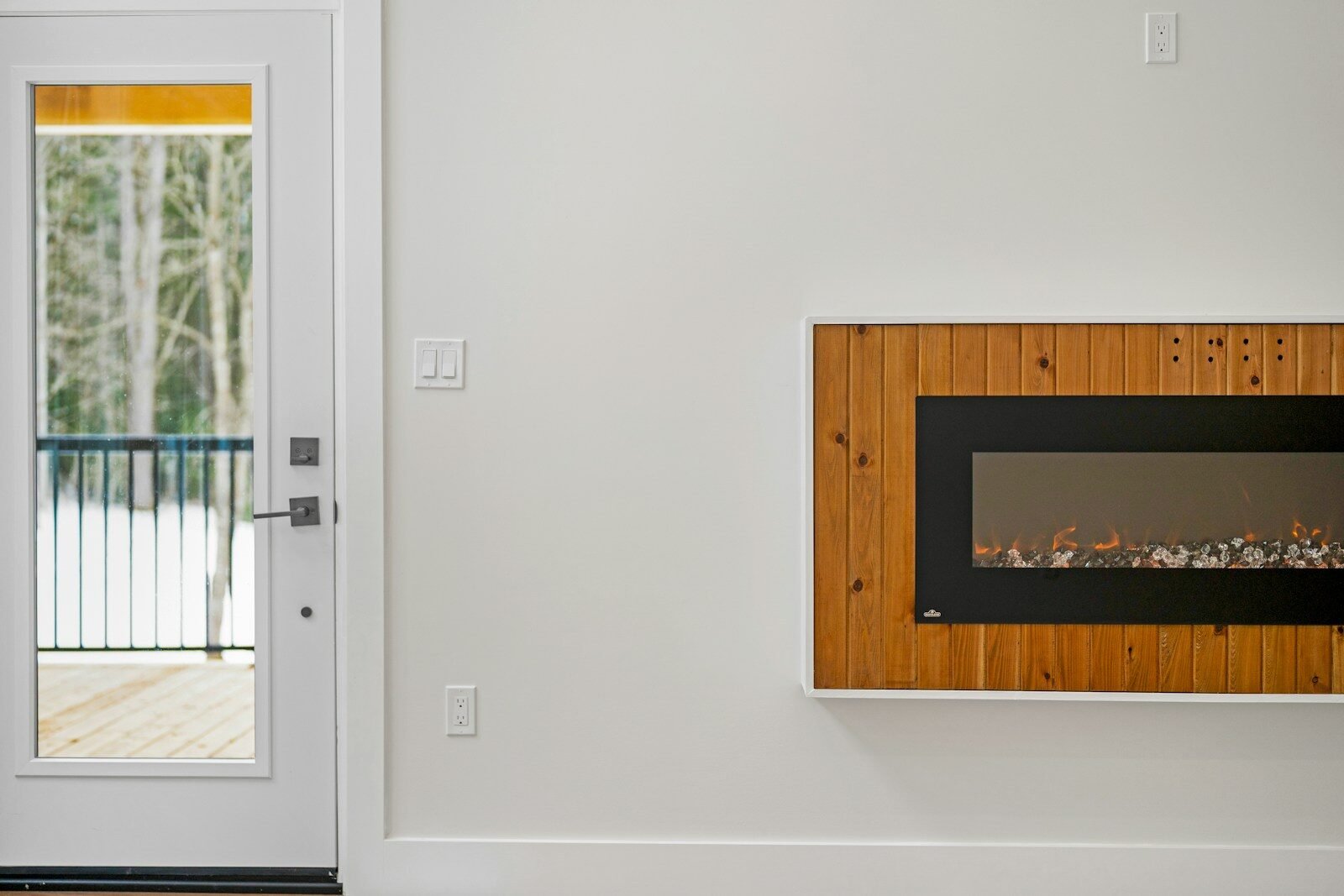
The type you choose decides almost everything else: whether you need a chimney, a gas line, or only an electrical outlet, and how much heat the fireplace will actually give. There are four common options, and each suits a different home.
Wood-burning fireplaces give real flame and real heat, but they need a chimney or flue, a safe place to store wood, and regular cleaning of the firebox and flue. They suit homes that already have a chimney or where a new flue can be added without major structural change. If your home has no chimney, adding one is structural work and should be planned with a qualified professional.
Gas fireplaces are a middle ground. They light at the push of a button, give steady heat, and need a gas line plus venting in most cases. Some models are vent-free, but rules for those vary by location, so check local codes before buying. Gas line work and venting must be handled by a licensed professional. Never attempt gas connections yourself.
Electric fireplaces are the simplest to install. They need only a standard electrical outlet, produce no smoke or fumes, and the flame effect can usually run with or without heat. They give supplemental warmth rather than whole-home heating, which makes them a good fit for apartments, bedrooms, and rooms where a chimney or gas line is not possible. For any new wiring or dedicated circuit, use a licensed electrician.
Ethanol fireplaces burn liquid fuel, need no chimney or vent, and give a real flame. They suit small spaces and renters, but the heat output is modest, fuel must be stored and handled exactly as the manufacturer directs, and the room still needs ventilation. Read the instructions before first use, and never refill a burner while it is lit or still hot.
Give the fireplace a clear place in the room
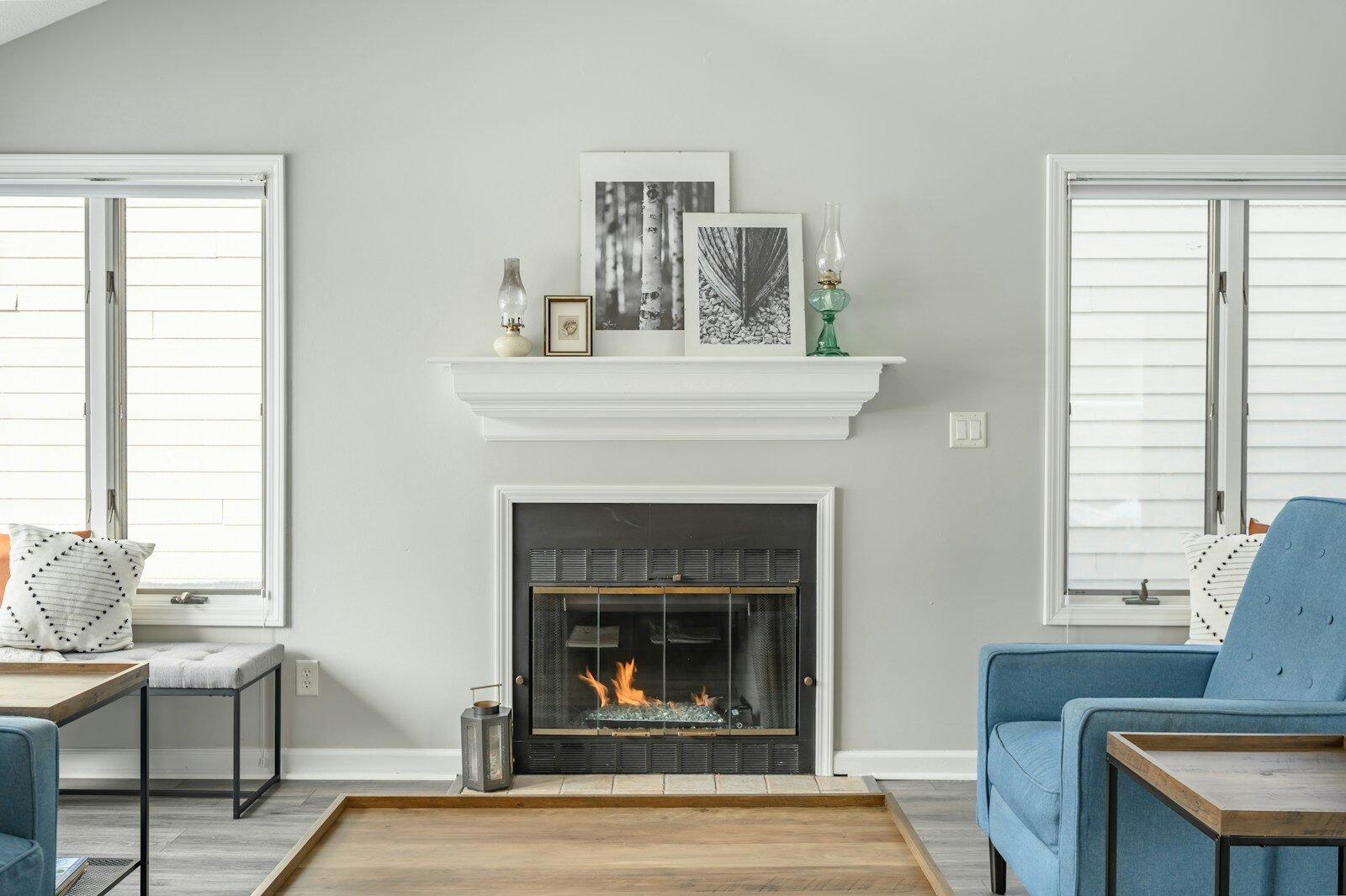
A fireplace works best when it has a job in the layout. In most living rooms that means a main wall where seating can face it directly, with enough space on either side so the wall does not feel cramped. Walkways should pass beside the seating, not between the chairs and the fire, so people can enjoy the fire without foot traffic crossing the view.
Scale matters more than style here. A firebox that is too wide for its wall will dominate the room, while one that is too small will look lost, especially under a high ceiling. Look at the wall as a whole: the fireplace, the surround, and whatever hangs above it should read as one arrangement. If the wall is wide, built-in shelving or cabinets on either side can balance the fireplace and give the wall a finished edge.
Think about sight lines from the rest of the home as well. A fireplace visible from the entry or the dining area pulls the home together, but a fireplace squeezed into a corner that no seat faces will rarely be used. If you are deciding between two walls, choose the one the main seating can face comfortably.
Hanging a television above the fireplace is common, but it deserves care. Heat rising from the firebox can damage electronics, and a screen placed too high is uncomfortable to watch. Check the fireplace manufacturer’s guidance on clearances, and consider a mantel shelf that helps deflect heat. If the wall gets hot during use, the television belongs elsewhere.
Keep the surround simple and let one material lead
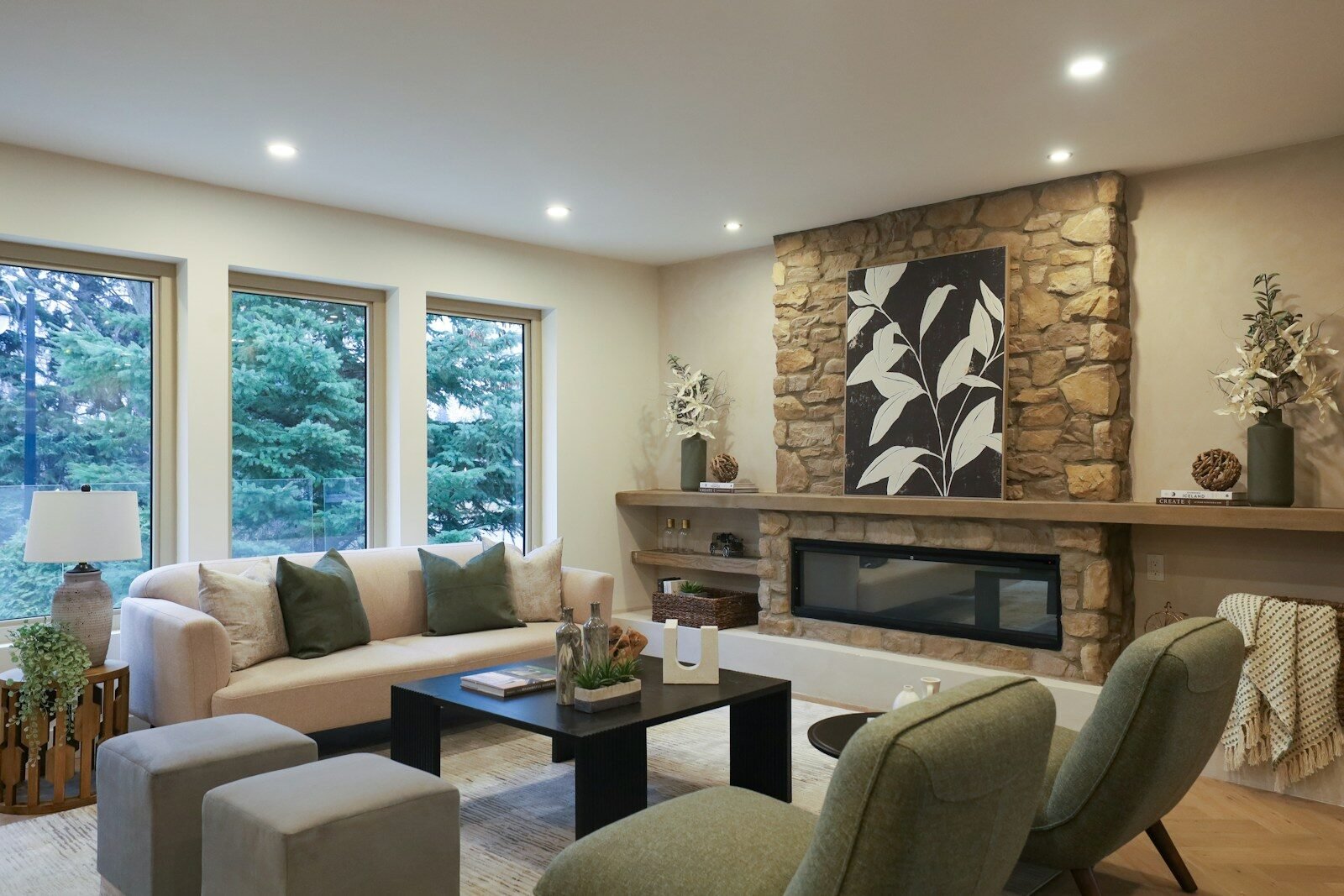
The surround is the frame around the firebox, and in a modern room it should stay quiet. Smooth plaster painted the wall color makes the fireplace nearly disappear into the wall, which suits small rooms. Concrete gives a raw, solid look. Natural stone adds texture without pattern. Brick, painted or left natural, adds warmth and works well in rooms that already have warm wood tones.
The rule is to let one material lead. If the surround is stone, keep the mantel and hearth in the same family rather than adding a second strong material. If the surround is plaster, let the firebox shape and a single timber mantel do the work. Two competing materials on one wall tend to look busy, which is the opposite of the calm a modern fireplace should give.
Consider the hearth as part of the same decision. A flush hearth that sits level with the floor keeps the room open and is easier to walk past, while a raised hearth gives a place to sit and a clear edge for safety. Either works, but the hearth material should match or complement the surround rather than introduce a new color or pattern.
Finish the edges cleanly. Gaps, uneven joints, or trim that does not meet the wall properly will draw the eye every day. If the surround involves masonry, plaster, or any change to the wall structure, have the work done or checked by a qualified professional so the finish is both neat and safe.
Style the mantel with restraint
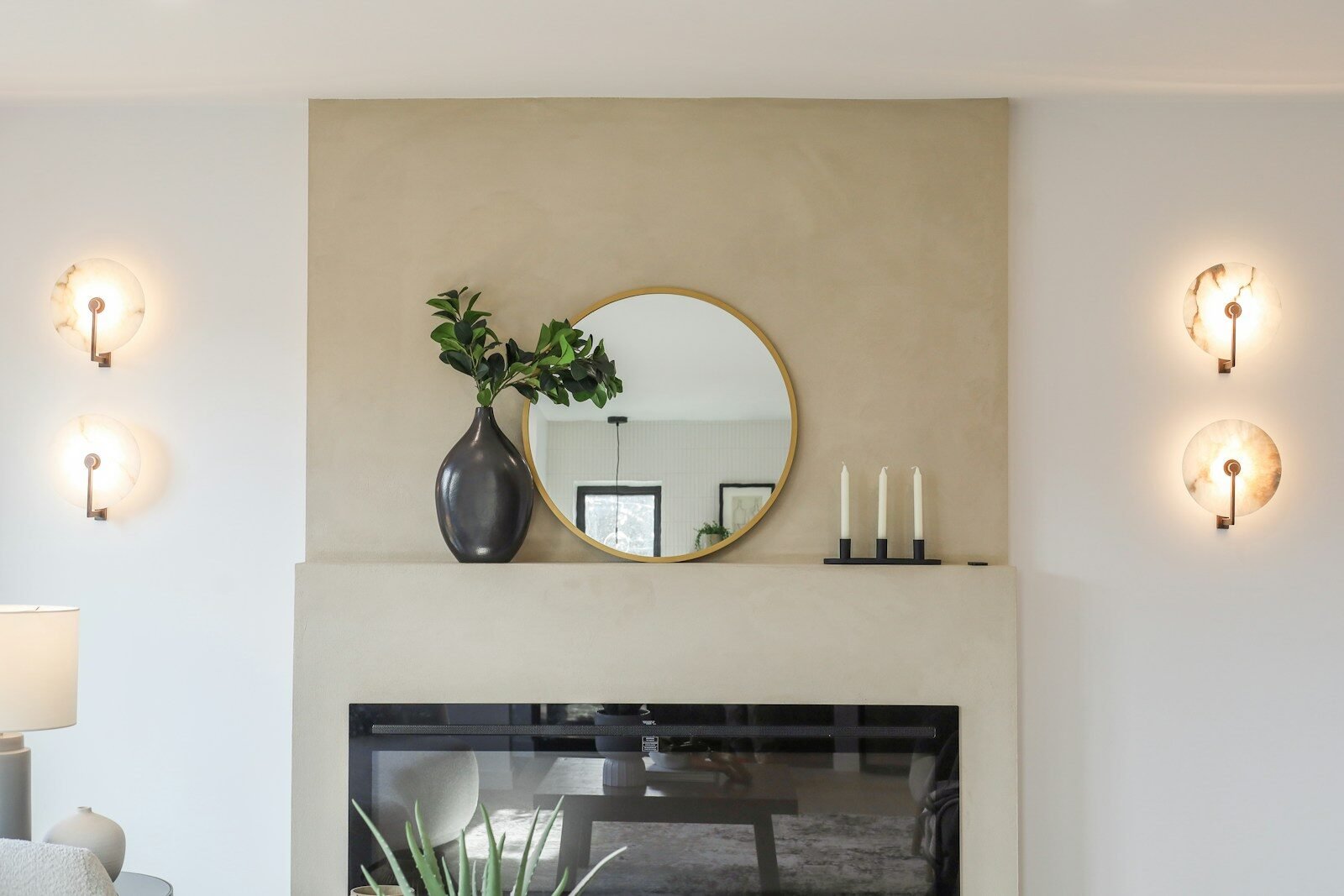
The mantel is where most fireplaces go wrong, not because of the fireplace itself but because of what gets piled on top of it. A mantel crowded with small objects looks cluttered and competes with the fire. A mantel with a few well-chosen pieces looks deliberate and lets the fireplace breathe.
Start with one large piece: a single artwork, a large mirror, or a tall vase. Then add, at most, two smaller items at different heights, such as a candle holder and a small stack of books. Vary the heights so the arrangement does not read as a flat line, and leave empty space on the mantel. Empty space is not wasted space; it is what makes the pieces that remain look intentional.
Keep anything flammable well away from the firebox opening, and never hang fabric, paper, or dried plants where heat or sparks can reach them. Check that nothing on the mantel blocks vents or air intakes, and keep the area in front of the fireplace clear of rugs, cushions, and clutter that could catch a spark.
Change the mantel with the seasons if you like, but change a few pieces at a time rather than rebuilding it from scratch. A simple swap, such as greenery in winter and a lighter vase in summer, keeps the fireplace feeling current without turning the mantel into a project of its own.
Plan for heat, safety, and everyday use
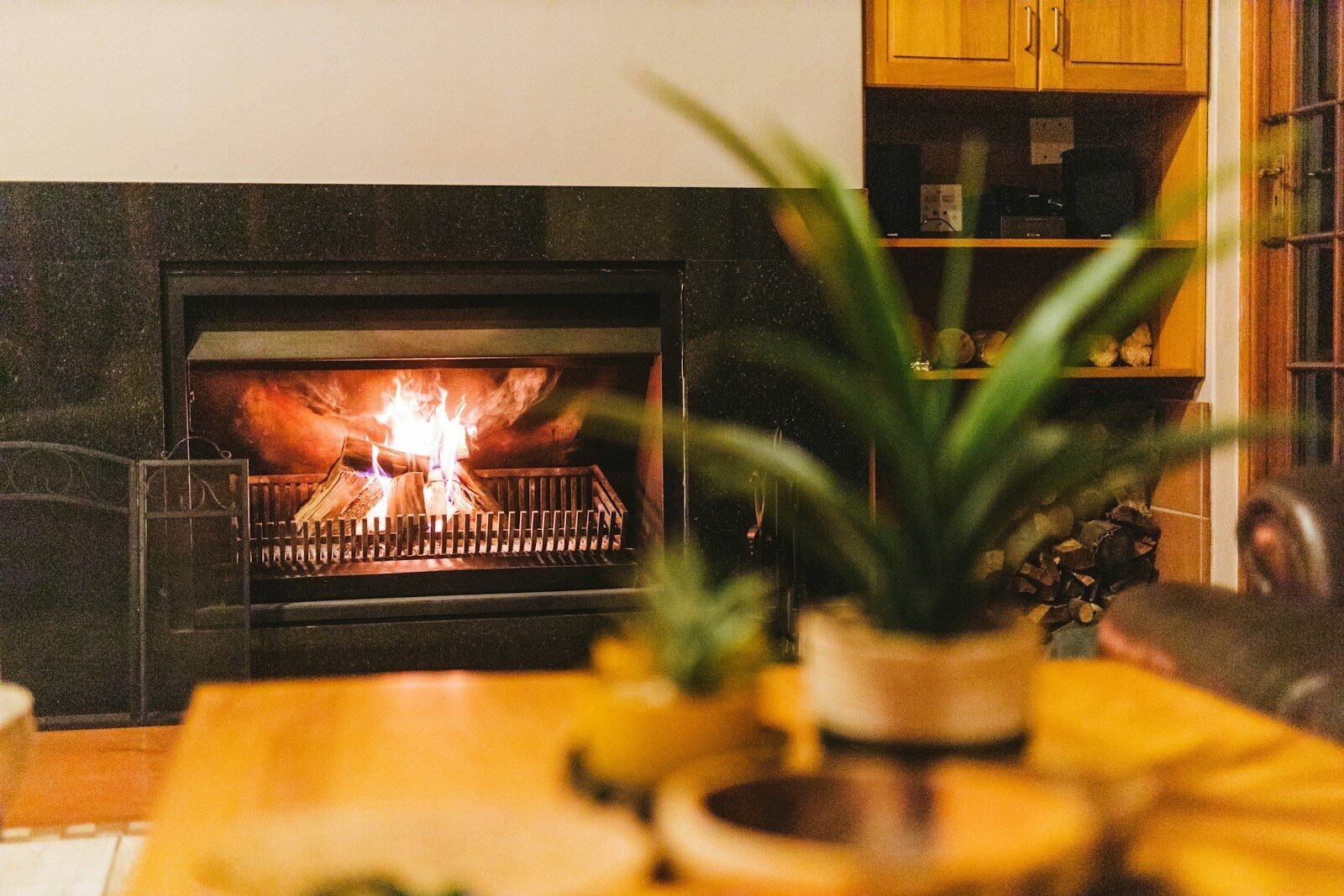
A fireplace is a heat source first and decoration second, so safety has to be part of the design. Follow the manufacturer’s instructions for clearances around the firebox, and keep furniture, curtains, and rugs at the distances those instructions require. If the instructions are unclear, ask the installer or manufacturer rather than guessing.
For wood and gas fireplaces, fit a carbon monoxide alarm in the room and test it regularly, and have the chimney or vent inspected and cleaned on the schedule the manufacturer or a qualified chimney professional recommends. For gas models, have the burner and ignition serviced as directed. For electric models, check the cord and outlet for heat or damage, and never cover the heater outlet or run the cord under a rug.
Use a screen or glass doors for open flames, especially in homes with children or pets, and supervise the fire while it burns. Keep a fire extinguisher accessible in the home, and know how to close the flue or shut off the gas supply if something goes wrong. These are simple habits, but they are what make a fireplace safe to enjoy every day rather than a worry.
Finally, think about everyday use before you buy. A fireplace that is awkward to light, hard to clean, or expensive to run will sit unused. Choose the type you will actually switch on, in the room where you spend your evenings, and the fireplace will earn its place.
Quick Ideas Worth Trying
- Paint the surround the wall color for a seamless, built-in look.
- Add built-in shelves or cabinets on either side of a wide fireplace wall.
- Hang one large mirror or artwork above the mantel instead of several small frames.
- Place a hearth bench or a pair of stools beside the firebox for extra seating.
- Swap mantel decor with the seasons for a fresh look with little effort.
- Store firewood off the ground and away from the house exterior.
Mistakes That Spoil a Fireplace Wall
- Choosing a firebox that is too large or too small for its wall.
- Hanging a television above the firebox without checking heat and viewing height.
- Crowding the mantel with many small objects.
- Ignoring venting, gas, or electrical requirements for the chosen type.
- Blocking vents or air intakes with decor or furniture.
- Skipping professional help for gas lines, wiring, or structural changes.
FAQs
Can I add a fireplace to a home without a chimney?
Yes, in many cases. Electric models need only an outlet, and some vent-free gas and ethanol models need no chimney, though local rules vary. Wood-burning models need a flue. Check the manufacturer’s requirements and local codes, and get professional advice before choosing a type that needs venting or structural work.
Is it safe to hang a television above a fireplace?
It depends on the heat reaching the wall. Check the fireplace manufacturer’s clearance guidance, and consider a mantel shelf that helps deflect heat upward and away from the screen. If the wall above the fireplace gets hot during use, mount the television on a different wall.
Do electric fireplaces give real heat?
They give supplemental heat for a single room, and the flame effect can usually run without heat at all. They will not replace a home heating system, but they are a practical choice for warming the room you sit in on cold evenings.
How do I keep a modern fireplace looking clean?
Wipe the surround with a cloth, clean the glass or screen as the manufacturer directs, and keep the mantel mostly clear. For wood and gas models, follow the recommended inspection and cleaning schedule so soot and dust do not build up.
Conclusion
These modern fireplace ideas share one rule: choose the type that fits your home, give it a clear place in the room, keep the surround simple, style the mantel with restraint, and respect heat and safety from the start. A fireplace chosen that way does more than warm a room. It gives the room a center, and it stays a pleasure to use for years rather than a feature that looks good only on the day it is finished.