
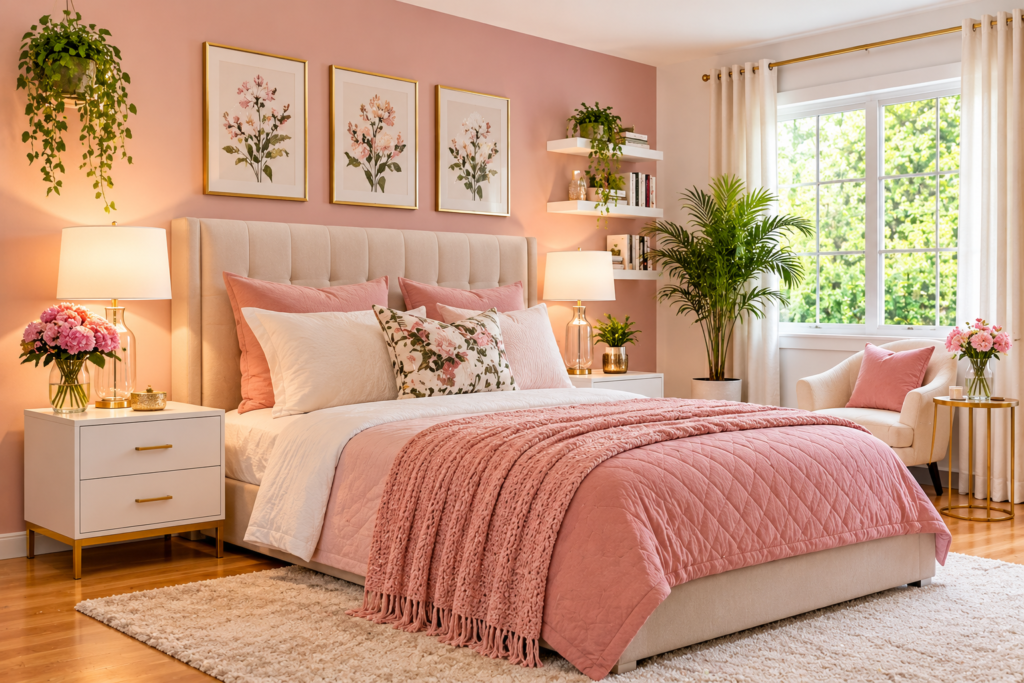
A bedroom should help you rest, get ready in the morning, and unwind at night without a lot of fuss. It does not need to follow one style or look like a showroom. It needs to fit your routines, your storage needs, and the way you like to relax.
The best bedroom for women ideas start with daily life, not with a shopping list. Think about what bothers you now. Maybe the lighting feels harsh, the closet is hard to use, or there is nowhere calm to sit and read. Small fixes in those areas often make a bigger difference than a full redo.
You can build a room gradually, too. Start with the bed, the lighting, and one storage fix. Add color, texture, and personal details over time as you learn what you actually enjoy living with.
Start With How You Actually Use the Room

Before you pick paint or furniture, spend a few days noticing how you use the space. Do you read in bed, work from a small desk, or get dressed in a hurry? Do you need a quiet corner, or do you mainly need better sleep?
Your answers will shape the layout more than any trend. A reader needs a good lamp and a place for a book and a glass of water. Someone who works from home may need a small desk that can close away at night. A person who shares the room may need two bedside tables and clear paths on both sides of the bed.
Measure the room before you buy anything large. Leave room to walk around the bed, open drawers fully, and open closet doors without blocking a path. A layout that looks good in a photo can feel cramped if you cannot move through it easily.
Keep the bed as the main focus, but do not let it crowd everything else. In a smaller room, a lower headboard can help the space feel more open. In a larger room, a bench at the foot of the bed can give you a spot to sit while you put on shoes.
Choose a Color Palette You Won’t Tire Of

Color sets the mood right away, and it is easier to live with when you keep it calm. Soft whites, warm beige, pale sage, dusty blue, and gentle blush tones tend to feel restful over time. You can add deeper color through pillows, art, or a throw rather than painting every wall a bold shade.
Try samples on the wall and look at them in morning light, afternoon light, and lamplight. Paint can look quite different from one time of day to another. A shade that looks soft in the store may feel cold or gray at home, especially on a north-facing wall.
A simple approach is to pick one main neutral, one slightly deeper tone, and one accent you enjoy. Use the main neutral for most walls and larger pieces. Use the deeper tone for curtains, bedding, or an accent wall. Use the accent in small amounts so the room stays balanced.
Layer Lighting for Morning and Night

Overhead lighting alone rarely feels comfortable in a bedroom. It can feel flat during the day and too bright at night. Layered lighting gives you more control and helps the room feel softer after dark.
Start with a ceiling light on a dimmer, if your wiring allows it. A dimmer lets you lower the light in the evening without changing fixtures. For any electrical changes, ask a licensed electrician for help rather than trying to rewire a switch yourself.
Add bedside lamps for reading and getting ready. Choose shades that soften the light and bulbs with a warm tone for the evening. A lamp with a pull chain or a small switch you can reach from bed is more useful than a lamp that looks good but is awkward to use.
Natural light matters, too. Sheer curtains can soften bright sun while still letting light in. Blackout curtains or liners can help with sleep, especially if streetlights or early morning sun wake you up. Layering sheers with heavier curtains gives you options for both day and night.
Make the Bed the Comfortable Center

You spend a large part of your life in bed, so comfort should come first. A supportive mattress, pillows that suit how you sleep, and bedding you like to touch will matter more than decorative pillows you remove each night.
Choose bedding in layers so you can adjust through the seasons. A light duvet or coverlet works well in warmer months, while an added blanket helps on colder nights. Natural fibers such as cotton and linen tend to breathe well, though personal preference matters most.
Keep decorative pillows to a number you are happy to move each night. Two or three can add color and texture without turning bedtime into a chore. If you love a fuller look, keep a basket nearby so you can put them away quickly.
Add Storage That Fits Real Life
Clutter often builds up when storage does not match what you own. Take stock of your clothes, shoes, bags, books, and daily items before you buy new furniture. Storage works best when each group has a clear home.

Use the space under the bed for off-season clothes or extra bedding if your bed frame allows it. Low, flat bins keep things dust-free and easy to pull out. Label them simply so you do not have to open every bin to find what you need.
Nightstands with a drawer or a small shelf help keep the surface clear. A charging spot, a book, and a small dish for jewelry are often enough. If the surface starts to collect mail, chargers, and random items, add a small tray to contain them.
Closet organizers can help, but they work best after a quick sort. Keep items you wear often at eye level and within easy reach. Move rarely used items higher up or into another storage spot. If your closet feels tight, check whether a second rod, a few hooks, or shelf dividers would help before you plan a larger change.
Create a Spot Just for You

A bedroom feels more personal when it has a place for quiet time. That spot does not need to be large. A comfortable chair by the window, a small bench with cushions, or even a well-placed floor cushion can work.
Add a small side table for a cup of tea, a book, or your phone. A soft throw and a lamp nearby make the corner inviting in the evening. This kind of corner also gives you a place to sit while you plan the day or wind down before bed.
Personal details make the room feel like yours. Framed photos, art you enjoy, a favorite candle, or a plant can add warmth. Choose a few pieces that mean something to you rather than filling every wall and surface. Empty space helps the pieces you love stand out.
Common Mistakes to Avoid

One common mistake is buying everything at once before you know how the room feels. It can be tempting to order a full set in one day, but living in the room for a few weeks often shows what you really need. Start with the essentials and add pieces slowly.
Another mistake is choosing style over comfort. A chair that looks lovely but hurts to sit in will not get used. A rug that sheds constantly may look nice in a photo but add extra cleaning. Test comfort when you can, and read return policies before you buy larger items online.
Poor lighting is another frequent issue. A single bright ceiling light can make a bedroom feel like an office at night. Add dimmers, lamps, and warm bulbs to soften the space. Also check that light switches are easy to reach from the door and from the bed.
Buying and Decision Considerations
When you shop for bedroom pieces, think about size, material, and care before style alone. Measure doorways, stairways, and the room itself so large items fit through your home and into place. Bring a tape measure when you shop in person, and keep a list of measurements on your phone.
Check how a piece is made, especially for items you use daily. Solid wood, well-joined frames, and sturdy drawer slides tend to hold up better than thin panels and weak hardware. You do not need the most expensive option, but a sturdier build often saves money over time.
Think about cleaning and upkeep, too. Light fabrics show marks more easily, while darker or patterned fabrics can hide minor wear. Removable, washable covers are helpful for headboards, cushions, and chairs. For rugs, check whether you can spot-clean them or take them to a cleaner.
Budget in stages if a full redo is not realistic right now. You might start with bedding and lighting, then move to storage, then to art and decor. Spreading purchases out also lets you notice what you still need instead of guessing.
If you plan changes that involve wiring, wall removal, or built-in shelving, talk to a qualified professional first. They can check safety, structure, and local rules. This step is especially important for older homes or for any work near electrical panels and plumbing.
As you sort through bedroom for women ideas, keep a short list of what fits your room, your budget, and your routines. Save photos you like, note what draws you to each one, and look for patterns. You may notice you keep choosing warm wood, soft blue, or simple lines. Those patterns can guide your choices better than any single trend.
Putting It All Together
Start with a simple plan. Choose your palette, fix your lighting, and make the bed as comfortable as you can. Then add storage solutions that match what you own. Finish with a few personal touches that make the room feel like yours.
Live with each change for a bit before you add the next one. You may find that a new lamp changes how the wall color looks, or that a better closet layout makes the whole room feel calmer. Small adjustments are part of the process, not a sign that you got it wrong.
Conclusion
A calm, personal bedroom comes from choices that support your daily life. Focus on comfort, good lighting, useful storage, and a few details you truly enjoy. With a steady, step-by-step approach, you can create a room that feels restful in the morning and welcoming at night.
Disclaimer:
This content is for general informational purposes only. Individual homes, needs, preferences, budgets, and situations may vary. For safety, installation, repair, structural, electrical, plumbing, HVAC, legal, or major property decisions, please seek advice from a qualified professional before acting.