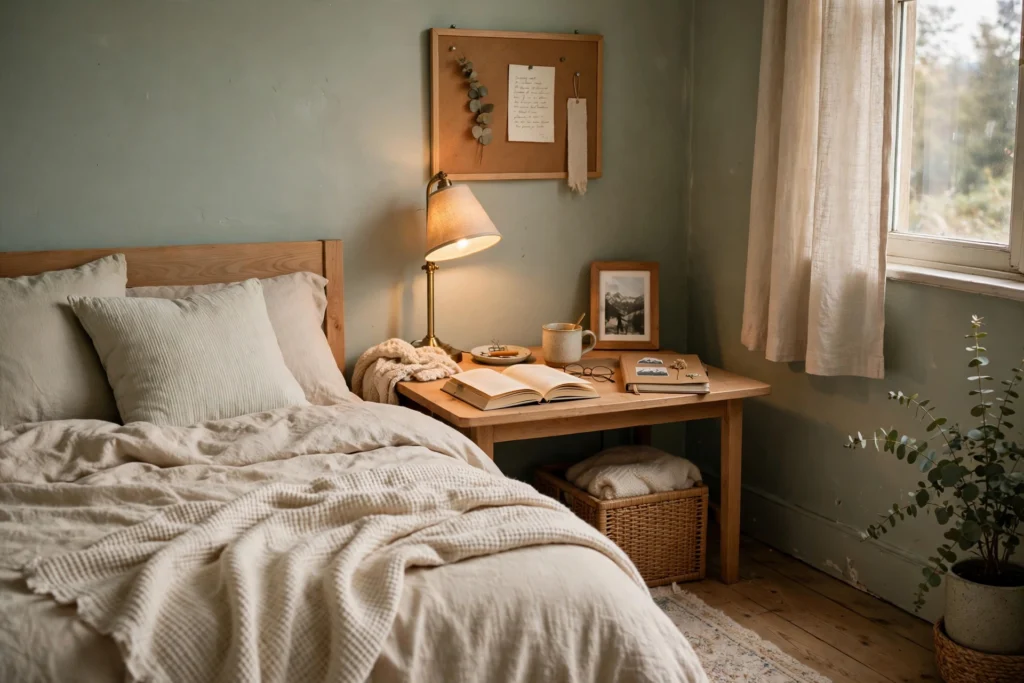
A room can feel cute without looking like a display. The sweet spot is a space that makes you smile when you walk in, yet still works for sleeping, reading, working, or just unwinding after a long day.
Charm usually comes from small, thoughtful choices rather than a full makeover. A soft color on the walls, a lamp that casts a warm glow, and a few items with a story behind them can change the mood more than a cart full of matching decor.
The trick is to pick one direction and let it guide the rest of your choices. That keeps the room from feeling busy, and it makes shopping much simpler because you already know what fits and what does not.
What Makes a Room Feel Cute

Cute rooms tend to share a few traits, even when their styles look very different. They feel soft rather than sharp, inviting rather than formal, and a little bit personal rather than copied from a catalog page.
Color plays a big role here. Warm whites, pale blush, sage green, butter yellow, and dusty blue all read as gentle and calm. You don’t need to paint every wall a pastel shade. One painted wall, or even just bedding and curtains in a softer tone, can set the feeling for the whole room.
Texture matters just as much as color. A chunky knit throw, a cotton quilt, a woven basket, and a rug you actually want to walk on barefoot all add warmth. Smooth, shiny surfaces have their place, but too many of them can make a room feel cold and a little distant.
Lighting is another quiet difference-maker. Overhead lights alone often feel harsh, especially in the evening. A bedside lamp, a small table lamp, or a string of warm fairy lights on a shelf can soften the whole space. Look for warm-toned bulbs, and keep the brightest light for tasks like reading or getting ready.
Finally, cute rooms usually have something personal in them. That might be framed photos, a handmade item, a favorite book collection, or a plant you’ve kept alive for years. These details are what stop a themed room from feeling generic.
Cozy Cottage Charm

Cozy cottage style is one of the most loved cute room themes because it feels relaxed and familiar. Think soft florals, light wood, white or cream walls, and plenty of natural light.
Start with a simple base. White or warm off-white walls keep the room bright, while wood furniture adds warmth without feeling heavy. A floral duvet cover or floral curtains can carry the theme, so you don’t need floral prints on every surface.
Add layers slowly. A quilt over a plain duvet, a couple of cushions in different but related prints, and a soft rug beside the bed all help. Keep the prints small-scale if the room is small, since large, bold florals can overwhelm a tight space.
This style works well in bedrooms and guest rooms, and it suits older homes with wood trim and smaller windows. It can feel a bit busy if you add too many patterns at once, so pick two or three patterns and repeat them in different places.
A good test is to step back and look at the room as a whole. Your eye should move around comfortably, not get stuck on one loud print or one crowded shelf.
Soft Scandinavian Simplicity

Scandinavian-inspired rooms lean cute in a quieter way. The palette is light, the furniture is simple, and the room feels calm rather than decorated to within an inch of its life.
White walls, pale wood, and clean lines form the base. Then you add softness with textiles: a wool throw, linen curtains, a sheepskin-style rug, or cushions in muted tones like oatmeal, grey, and pale pink.
Plants help a lot here. A pothos on a shelf, a small tree in a corner, or a few potted herbs on a windowsill bring life to a simple room without adding clutter. Choose pots that match the palette, and don’t feel you need a dozen plants to get the effect.
This theme suits people who like tidy spaces but still want warmth. The trade-off is that it can feel a little bare if you strip too much away. Keep at least a few cozy items out, like a favorite blanket and a lamp with a warm glow, so the room still invites you to sit down and stay a while.
Storage is worth planning for this look. Baskets, boxes with lids, and closed cabinets hide everyday clutter while keeping the calm feeling intact. Open shelves look lovely in photos, but in real life they need regular tidying to stay that way.
Vintage and Retro Sweetness
A vintage-inspired room can feel cute without feeling like a museum. The idea is to borrow charm from past decades, not to recreate one exactly.
You might start with one anchor piece, such as a secondhand dresser, a retro-style lamp, or a floral armchair. Then build around it with simpler, modern pieces so the room still functions well. Mixing old and new usually looks more natural than buying everything from one era.
Color helps tie it together. Warm creams, muted greens, soft pinks, and gentle yellows all work well for a retro feel. Avoid using too many bright, competing colors, or the room can start to feel chaotic rather than charming.
Secondhand shopping is a big part of this theme, and it can save money, too. Thrift stores, flea markets, and online resale shops often have mirrors, frames, lamps, and small tables that add character for less than new pieces. Check items carefully for stability, damage, and smell before you bring them home, and be realistic about what you can repair.

One thing to watch is scale. Vintage furniture is sometimes smaller than modern pieces, which can be great in a small room, but a tiny desk or chair may not suit daily use. Sit in chairs, open drawers, and measure doorways before you commit.
Choosing a Theme That Fits Your Life

The prettiest theme on paper may not suit how you actually use a room. A bedroom that doubles as a home office needs a desk and storage that work, not just a lovely bed. A kids’ room needs surfaces that can handle play, spills, and changing interests.
Start by listing what happens in the room every day. Sleep, work, reading, play, and getting dressed all place different demands on space. Then choose a theme that supports those activities, rather than one that fights them.
Room size matters, too. Small rooms usually feel better with lighter colors, smaller prints, and furniture that fits with space to spare. Large rooms can handle deeper colors, larger patterns, and more layers without feeling crowded.
Your existing furniture should also guide the choice. If you already have a dark wood bed or a grey sofa you like, pick a theme that works with it. Replacing everything at once is expensive and wasteful, and a theme that builds on what you own tends to feel more personal anyway.
Think about how long you want the look to last. A theme built on bedding, curtains, and accessories is easy to refresh. A theme that depends on painted murals, wallpaper, and built-in features is harder to change, so be more certain before you commit to those.
Common Mistakes to Avoid

One common mistake is trying to include every cute idea in one room. A room with fairy lights, floral wallpaper, pastel furniture, vintage finds, and a dozen plants can feel cluttered rather than charming. Picking a clear direction helps you say no to items that don’t fit, even when they’re tempting.
Another mistake is buying everything at once. It’s hard to know how a room will feel until you live with a few key pieces. Buy the big items first, live with them for a week or two, and then add smaller details. You’ll make fewer returns and end up with a room that feels considered.
Ignoring lighting is a frequent problem, too. A room that looks lovely in daylight can feel flat at night if the only light is a harsh ceiling fixture. Add at least one warm, low light source for evenings, and use dimmers where you can.
Don’t forget about function when you’re focused on looks. A beautiful chair you never sit in, a rug that slips, or a bedside table with no room for a lamp and a glass of water will frustrate you over time. Cute should never mean uncomfortable or impractical.
Finally, be careful with trends. A theme that feels fresh this year may feel dated in two years if it relies on one very specific print or color. Classic bases — neutral walls, good lighting, comfortable textiles — let you update accents without starting over.
Buying and Decision Tips

You don’t need a big budget to create a charming room, but spending wisely helps. Put money toward items you touch every day, like bedding, rugs, and lighting. These affect comfort directly, so quality shows.
For decorative items, it’s often smarter to spend less and buy slowly. A single well-chosen piece, like a mirror or a lamp you truly like, usually adds more than several cheap items you feel lukewarm about.
Measure before you buy, every time. Note the room’s dimensions, doorway widths, and the space around beds and desks. A sofa or rug that looks right online can feel huge in a small room, and returns are a hassle.
Check return policies before ordering, especially for large items and bedding. Colors can look different on a screen, and fabric texture is hard to judge from a photo. If you can, order swatches or visit a store to see items in person.
For any work involving wiring, heavy wall mounting, or structural changes, bring in a qualified professional. A cute room is not worth a safety risk, and some jobs are best left to someone with the right tools and training.
Making It Your Own
The best cute rooms reflect the person who lives in them. That doesn’t mean every item needs a deep meaning. It just means the room should feel like yours, not like a copy of someone else’s home.
Start with one thing you already love — a color, a blanket, a piece of art, a plant — and build around it. Let that item guide your palette and your choices, and don’t be afraid to leave some space empty. Breathing room is part of what makes a room feel calm and inviting.
Live with the room for a while before you decide it’s finished. You may find you want more color, less clutter, or a different lamp. Small adjustments over time usually lead to a room that feels settled and comfortable, rather than staged for a single photo.
Rooms change as life changes, too. A theme that works now can evolve later with new bedding, new art, or a different rug. Keeping the base simple makes those updates easy and affordable.
Conclusion
A cute room is really a comfortable room with a little warmth and personality added. Choose one theme that fits your space and your daily life, build it slowly with color, texture, and light, and leave room for items that mean something to you. That approach gives you a space that feels inviting every day, not just on the day you finish decorating.
Disclaimer: This content is for general informational purposes only. Individual homes, needs, preferences, budgets, and situations may vary. For safety, installation, repair, structural, electrical, plumbing, HVAC, legal, or major property decisions, please seek advice from a qualified professional before acting.