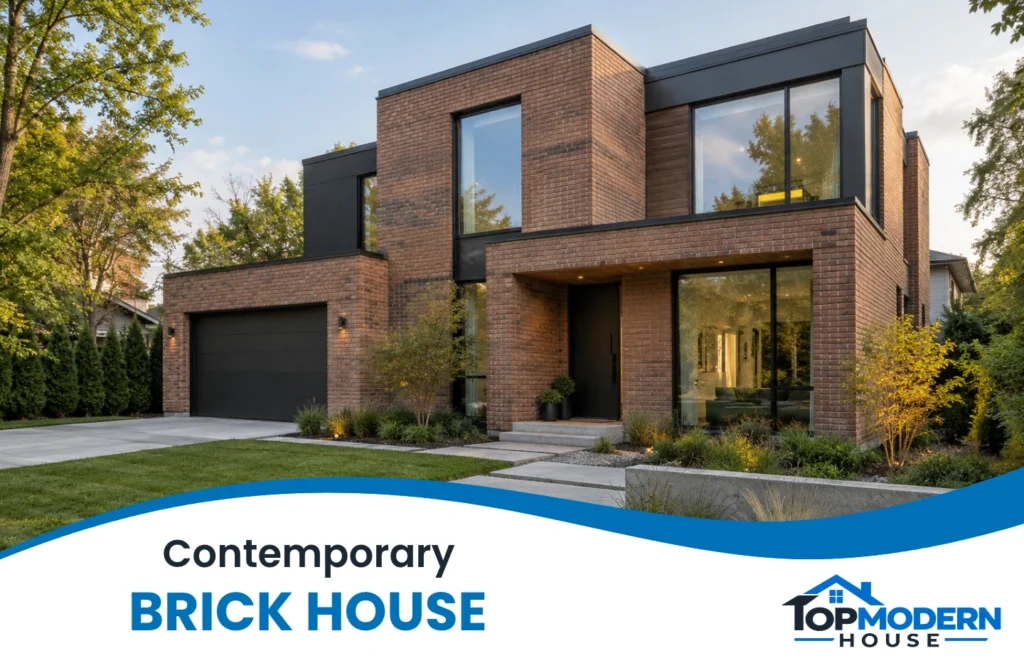
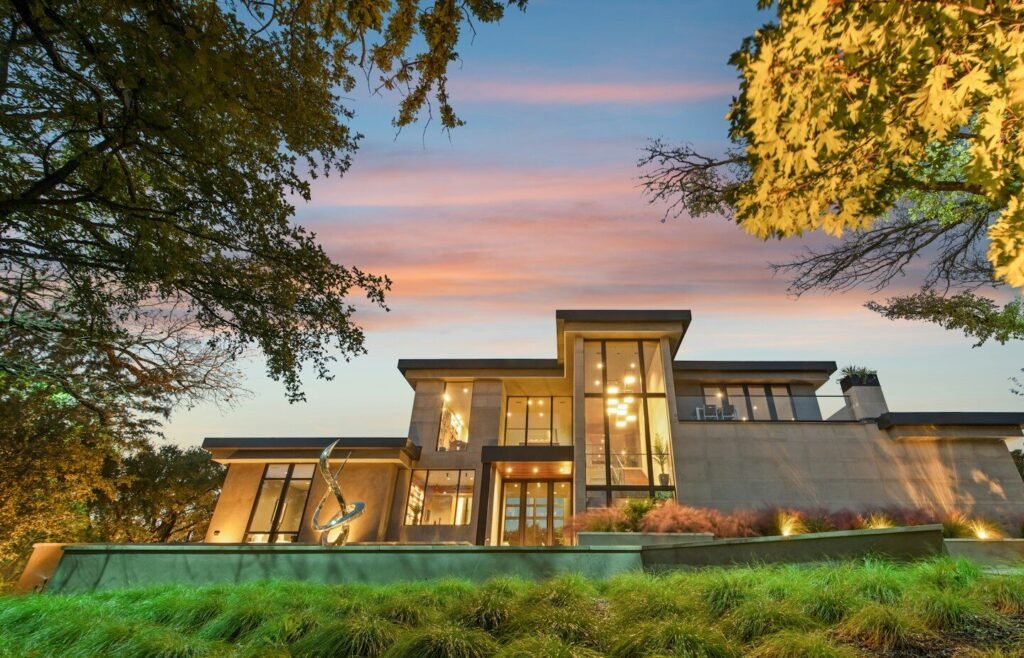
A modern home exterior is the first thing visitors notice, and it sets expectations for everything inside. It does not need to be grand or expensive to work well. A clear shape, honest materials, and a few well-chosen details are usually enough to make a house look settled and welcoming, whether it is a new build or an older home given a careful update. This guide covers the decisions that matter most, in the order worth tackling them.
Before choosing colours or cladding, stand across the street and look at the house as a whole: its shape, roof, windows, and front door. Notice what draws your eye, and whether anything looks out of proportion. Most improvements follow from that look.
1. Start with Shape and Proportion
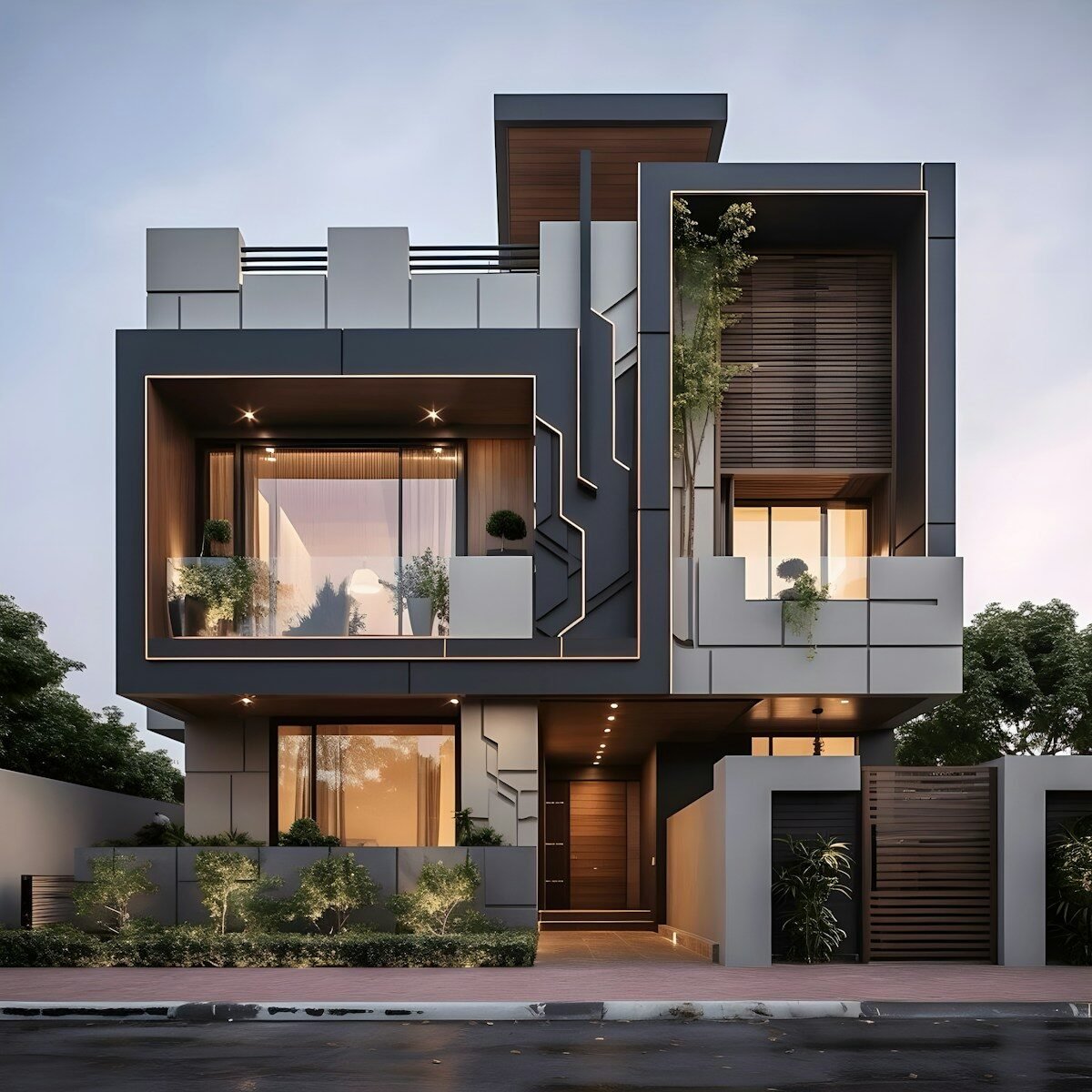
The shape of a house does more work than any single finish. Modern houses tend to favour simple, readable forms: a clear main block, a calm roofline, and straight lines that are easy to follow. When a house has too many competing shapes, such as several roof pitches, a jumble of extensions, and a dominating garage, the result can feel restless even if every material is good quality.
Proportion matters more than size. A large house with balanced windows and a well-placed door can look calm, while a small house with a door squeezed beside a huge window can look awkward. Look at window spacing, door height relative to the wall, and how the roof meets the walls. Small adjustments, such as aligning window heads at the same height, often improve the whole front more than a new finish would.
If the house already has a strong shape, work with it rather than against it. Keep additions simple and in keeping with the existing lines. A flat-roofed porch on a pitched-roof house, or a boxy extension that ignores the original proportions, tends to stand out for the wrong reasons. Where an extension is needed, matching the roof pitch, the eaves height, and the window style of the main house usually gives the most settled result.
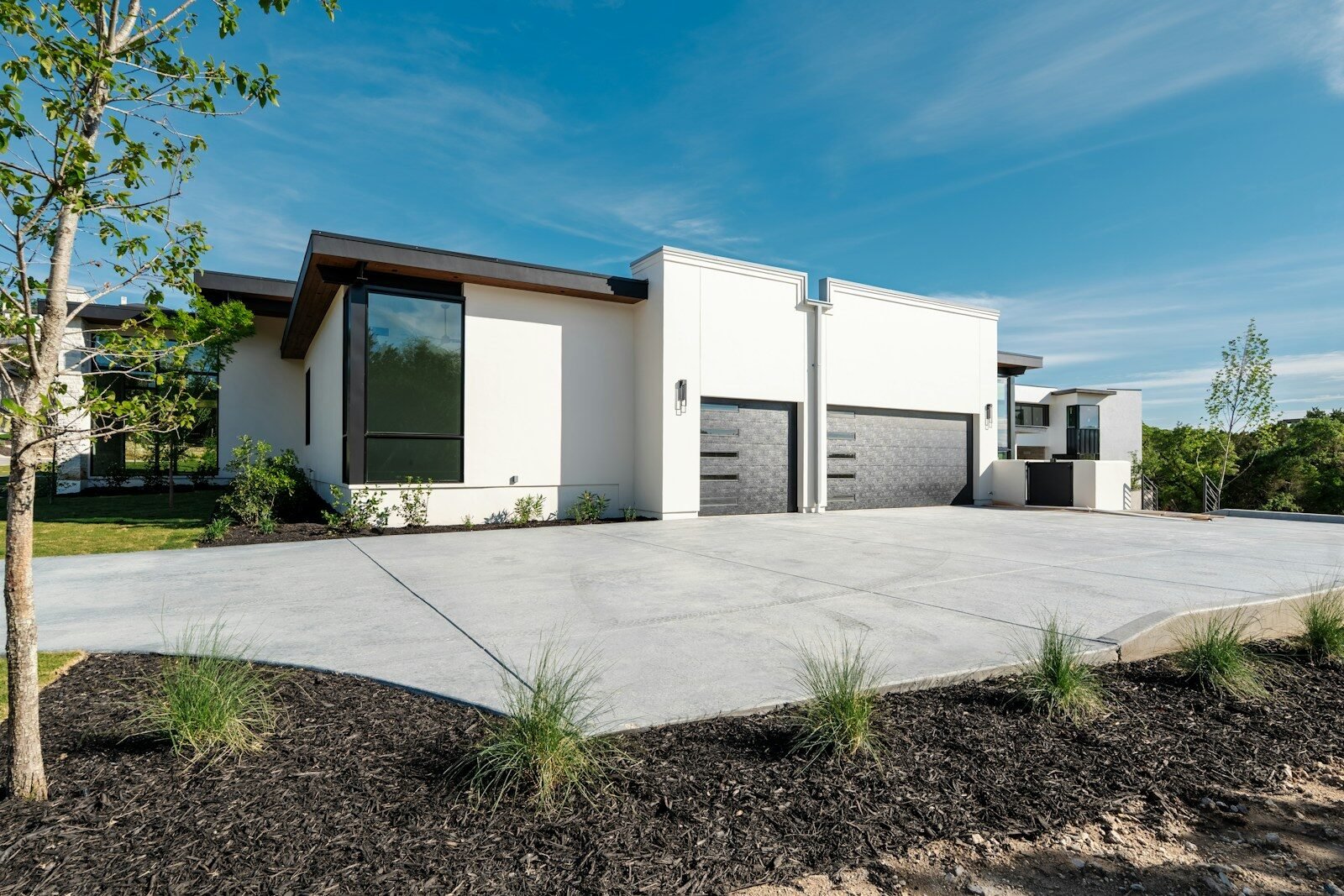
Garages deserve attention, because they often dominate the front. A garage door in the house colour, or set slightly back from the main wall, reads as part of the house rather than its main feature, and a path leading toward the front door helps restore the balance.
2. Choose Materials That Age Well
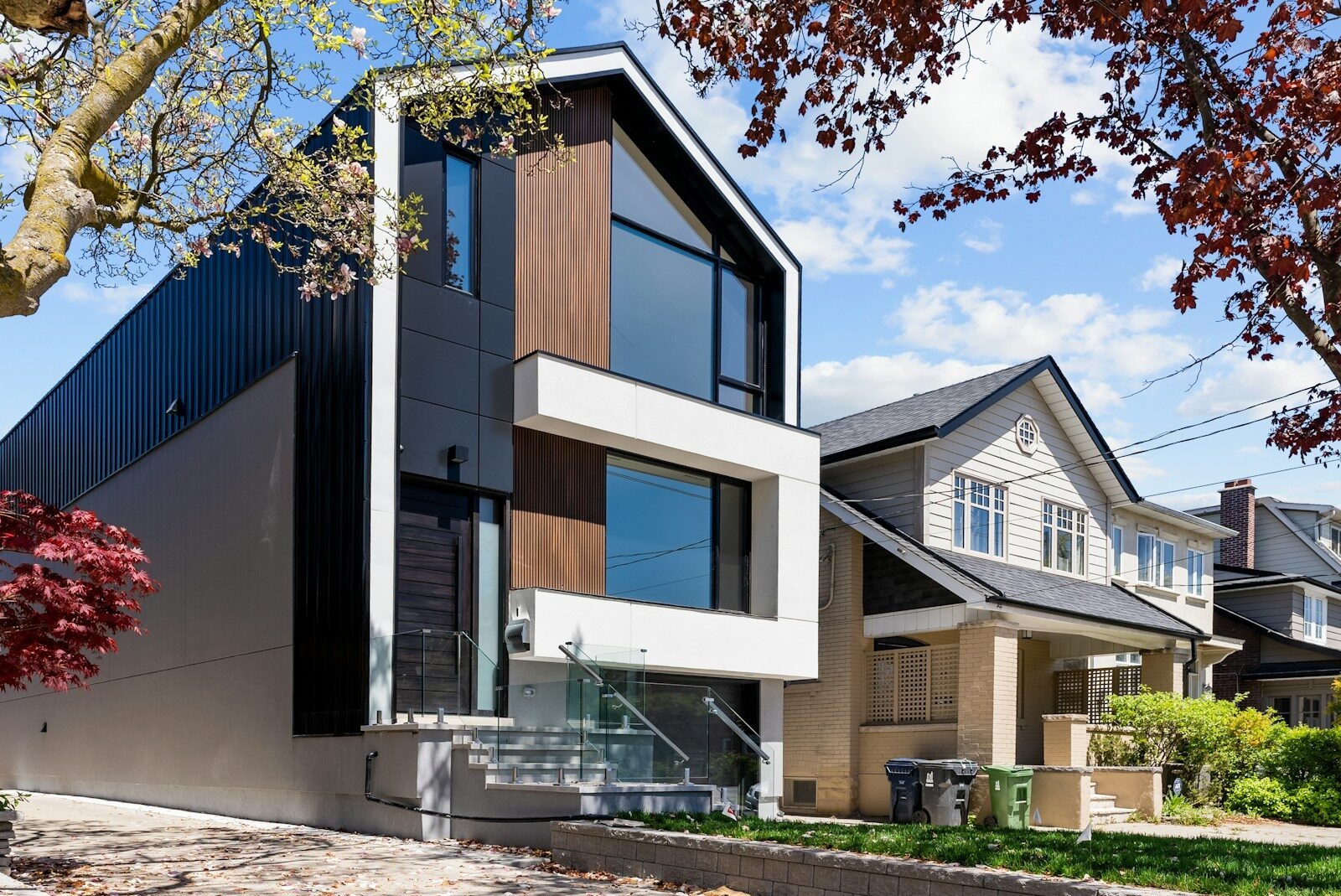
Materials give a house its character and its staying power. Timber, stone, brick, render, and metal panels all suit modern houses, but they behave very differently over time. Timber brings warmth and texture, yet needs regular treatment to avoid weathering unevenly. Stone and brick are durable and low in upkeep, but heavy and costly to change later. Render gives a smooth, clean surface, though it shows dirt and cracks more readily than textured finishes. Metal panels look crisp and contemporary, but can dent and need careful fixing to avoid rattling or staining.
A useful rule is to limit the palette to two or three materials. A house that mixes timber, stone, brick, render, and metal all at once rarely looks calm, because the eye has nothing to rest on. Pick one dominant material for most of the walls, one secondary material for contrast or emphasis, and use the third sparingly, perhaps around the entrance or on a single feature wall. Repetition of the same combination around the house makes the design feel intentional rather than accidental.
Climate should shape the choice. In wet areas, materials that shed water and dry quickly last longer, and generous roof overhangs and proper drainage protect walls from constant damp. In hot, sunny areas, lighter colours and heat-resistant finishes hold up better, while dark cladding can fade or warp. In coastal areas, salt air is hard on metals and some timbers, so checking what local houses use successfully is a sensible starting point.
Maintenance is part of the decision, not an afterthought. A material that looks perfect when new but needs repainting or resealing every year will soon look tired if that upkeep does not happen. Choose finishes you are willing to maintain: wash walls occasionally, clear gutters and drains, and deal with small cracks or peeling paint before they spread.
3. Get Colour and Trim Right
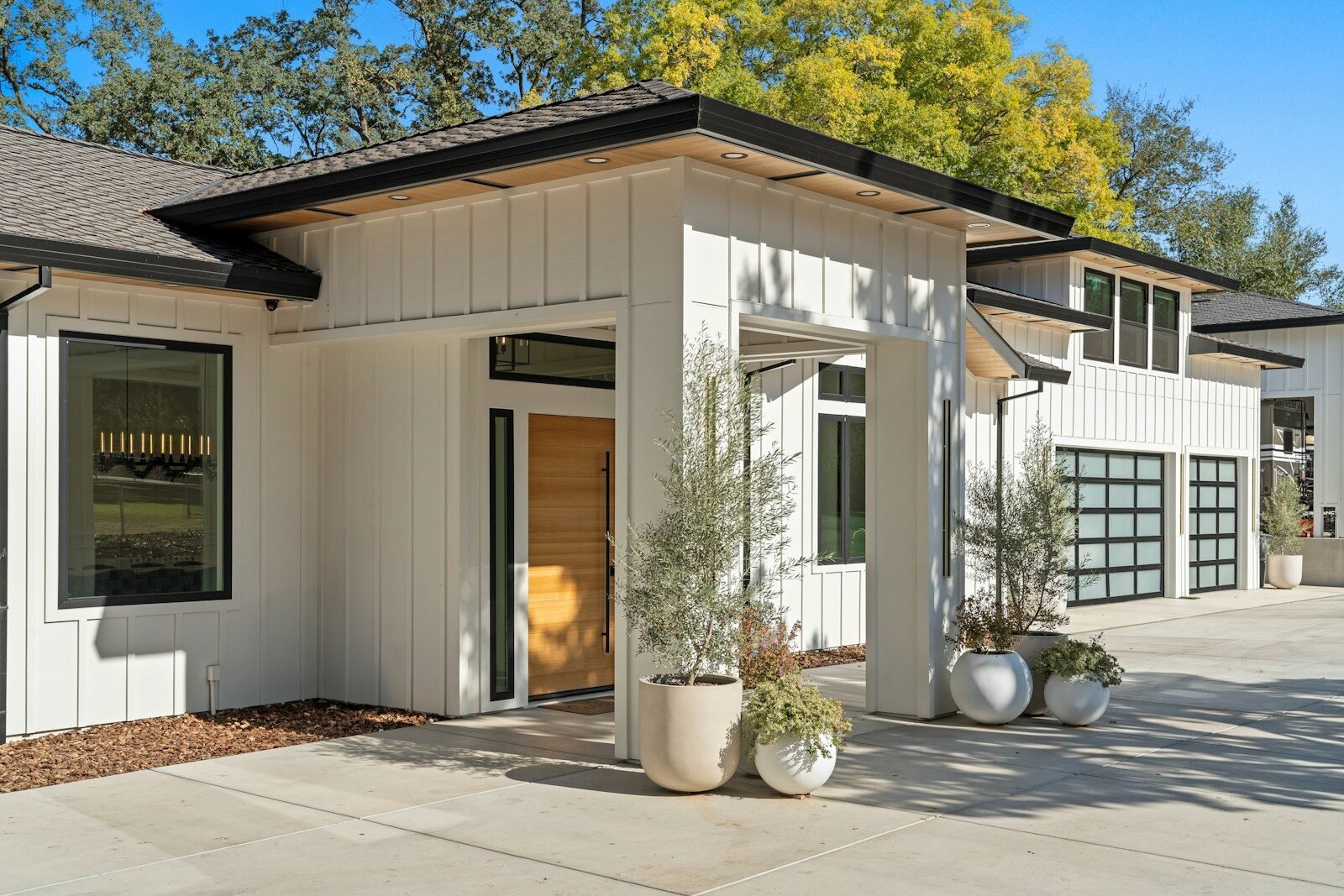
Colour is often where a house succeeds or fails, and restraint usually wins. Start with one main wall colour, add a trim colour for window frames, fascias, and doors, and at most one accent colour for the front door or a small feature. A limited palette looks calm and lets details stand out, while a different colour on every surface feels busy and hard to read.
Test colours properly before committing. Paint large samples on the wall and look at them in morning light, midday sun, and evening shade, because the same shade can shift a great deal between bright daylight and dull weather. Look at the sample next to the roof, the driveway, and any stone or timber on the house, since colours that look good alone can clash with neighbouring materials. A colour that works on a small swatch may feel very different across a whole wall.
Trim is the detail that ties the palette together. Window frames, door frames, and roof edges in a consistent trim colour give the house a finished outline, even when the wall colour is plain. White and off-white trims suit many houses, while darker trims give a bolder, more grounded feel. Keep one trim colour consistent around the whole house rather than changing it from side to side.
The front door is the one place where a stronger colour usually works. A door in a deep green, navy, warm red, or natural timber tone can give the entrance a clear identity without unbalancing the rest of the house. Keep the door hardware simple and in one finish, so the door reads as a single, deliberate feature rather than a collection of competing details.
4. Windows, Doors, and the Entry
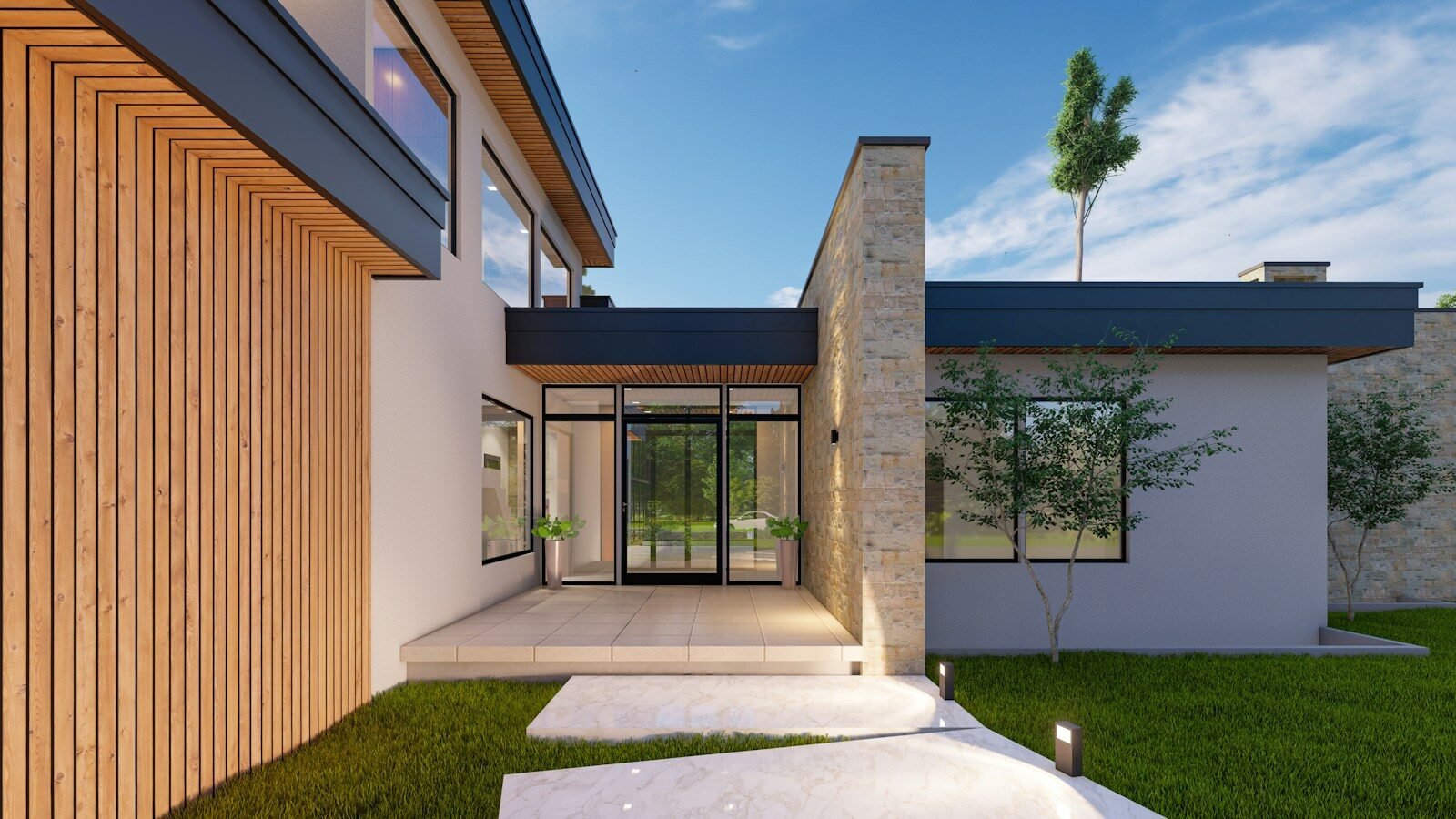
Windows shape how a house looks from the street and how it feels inside. Large windows suit modern houses because they bring in light and connect indoors with outdoors, but their size and placement need care. Windows of the same style, roughly aligned, give a calm, ordered front, while a mix of sizes, styles, and heights on one wall tends to look accidental, even when each window is good on its own.
Frames matter as much as glass. Slim frames in a consistent colour suit the clean lines of a modern house, while heavy or ornate frames can fight against them. When replacing windows, matching frame colour and style across the front matters more than choosing the most elaborate window available. Keep sills and surrounds simple and neatly finished, since rough edges around windows are very visible from the street.
The entry should be easy to find and comfortable to use. A clear path from the street or driveway to the front door, a covered porch or canopy for shelter, and a light by the door all help visitors feel welcome. The door itself should be in good repair, with hardware that works smoothly and a letterbox, house number, and doorbell that are easy to see and use. A porch that is too small to stand in comfortably, or a path that forces visitors to cross a lawn or step over planting, makes the entrance feel like an afterthought.
House numbers, lighting, and planting around the entry deserve the same restraint. One clear number, one or two well-placed lights, and a small amount of planting near the door are usually enough. Clutter around the entrance, such as several decorations, mismatched pots, and tangled wiring, distracts from the door itself.
5. Finish with Lighting and Planting
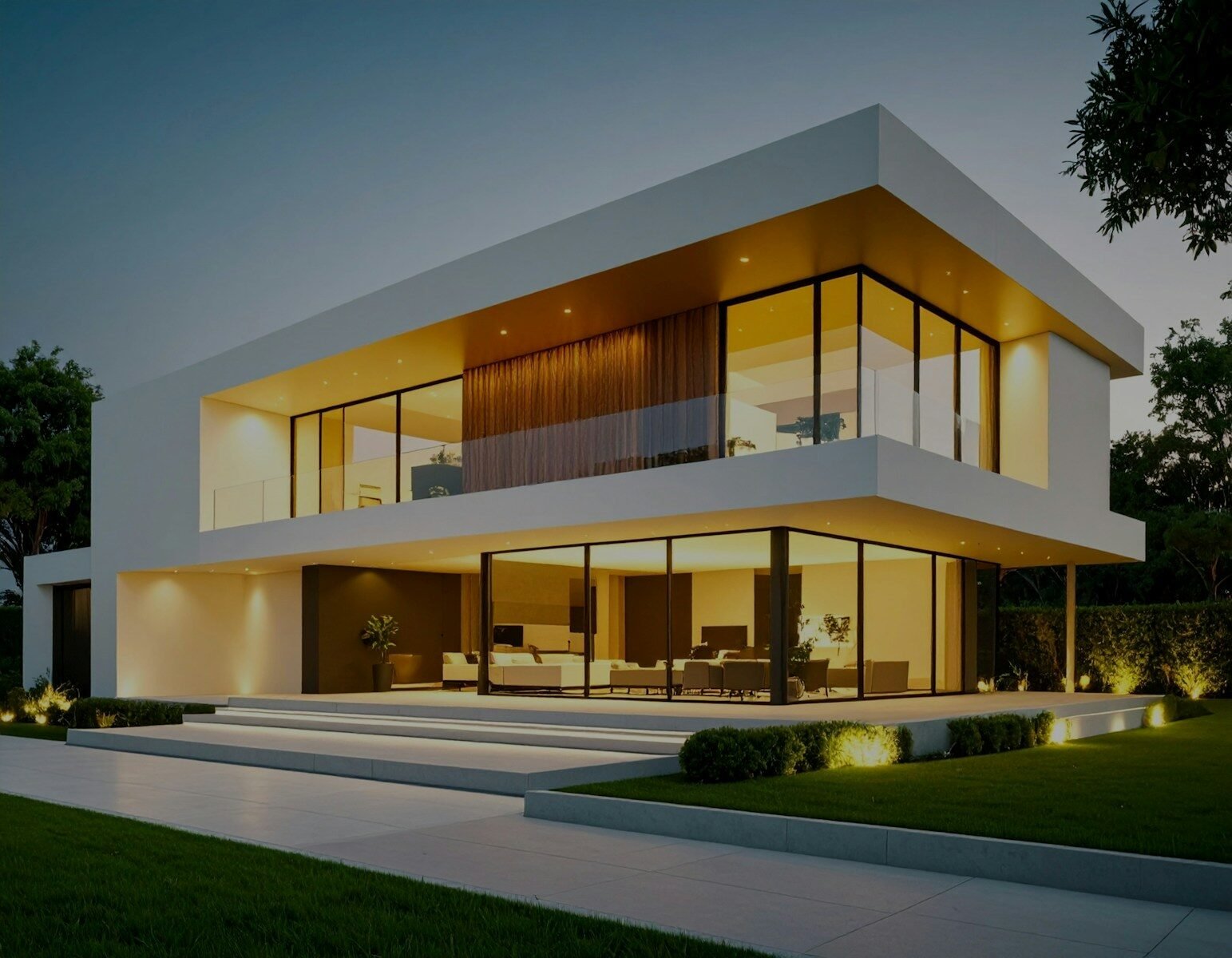
Outdoor lighting changes how a house looks after dark and makes it safer to approach. A layered approach works best: a light by the front door, low lights along the path, and one or two lights washing the wall or highlighting a tree or feature. Warm white light usually suits houses better than harsh, cool light, because it flatters timber, stone, and planting alike. Avoid a single bright floodlight, which flattens everything and creates harsh shadows.
Keep lighting simple and consistent, using the same fixture style around the house and placing lights where they serve a purpose, such as beside steps, along a path, or near the door. Angle lights downward and toward the house or path, since lights shining into neighbours’ windows waste energy and cause annoyance. Solar lights suit places where wiring is difficult, while wired lights give steadier light where it matters most.
Planting softens the hard edges of a house and connects it to its surroundings. A small tree, a hedge, or a few shrubs near the front can break up a long wall and give the house a sense of scale. Keep planting away from walls and drains so roots and damp do not cause problems, and choose plants suited to the soil, light, and climate. Low-maintenance planting near the entrance is usually wiser than elaborate beds needing constant attention.
Paths, driveways, and boundaries complete the picture. A path in a material that matches the house, such as stone, gravel, or simple paving, looks more settled than a mix of unrelated surfaces. Driveways should drain properly and stay in good repair, since cracks and weeds are very noticeable from the street. Fences and gates in a simple style frame the house without hiding it.
Smaller Touches Worth Considering
Beyond the five main ideas, a few brief points help keep the project on track. Budget and phasing matter: it is usually better to do one side of the house properly than to spread a thin budget across every surface at once. Start with repairs and structure, then finishes, leaving decorative touches until the basics are sound.
Maintenance should be planned from the start. A simple annual routine, such as washing walls, clearing gutters, oiling timber, and touching up paint, keeps the house looking cared for and prevents small problems from becoming large ones. Noting paint colours and material suppliers makes future repairs much easier.
Climate and orientation deserve a thought before any major change. A south-facing wall may need more shade or a more durable finish, while a shaded north-facing wall may stay damp and need materials that cope with moisture. Local rules also matter: some areas require permission for changes to the front of a house or for boundary walls, so checking before building saves trouble later.
Common mistakes are worth avoiding. Too many materials, too many colours, and too many competing features are the usual culprits, as is ignoring scale, such as planting a tree that will soon hide the whole front. Most of these problems are fixed by removing one thing rather than adding another.
A Note on Safety
Some exterior work should not be done without the right skills. Hire a licensed professional for any structural change, such as removing a wall or altering a roof, for electrical work on outdoor lighting and wiring, and for gas work on outdoor heaters or appliances. Working at height, for example on roofs, high walls, or tall ladders, carries real risk, so use proper equipment and ask for help rather than working alone on a high or unstable surface. If a job is beyond your experience, getting a professional in is cheaper than repairing a mistake.
Conclusion
Done gradually, one change at a time, a modern home exterior can move from plain or tired to welcoming and well-kept without a full rebuild. Start with shape and proportion, choose materials that age well, keep the colour palette limited, make the entry easy to find, and finish with lighting and planting. When each decision supports the next, the result is a house that looks considered from the street and feels good to come home to.
Disclaimer: This article is for general information only and is not professional design, construction, or safety advice. For structural, electrical, or gas work, consult a licensed professional and check local rules before starting.