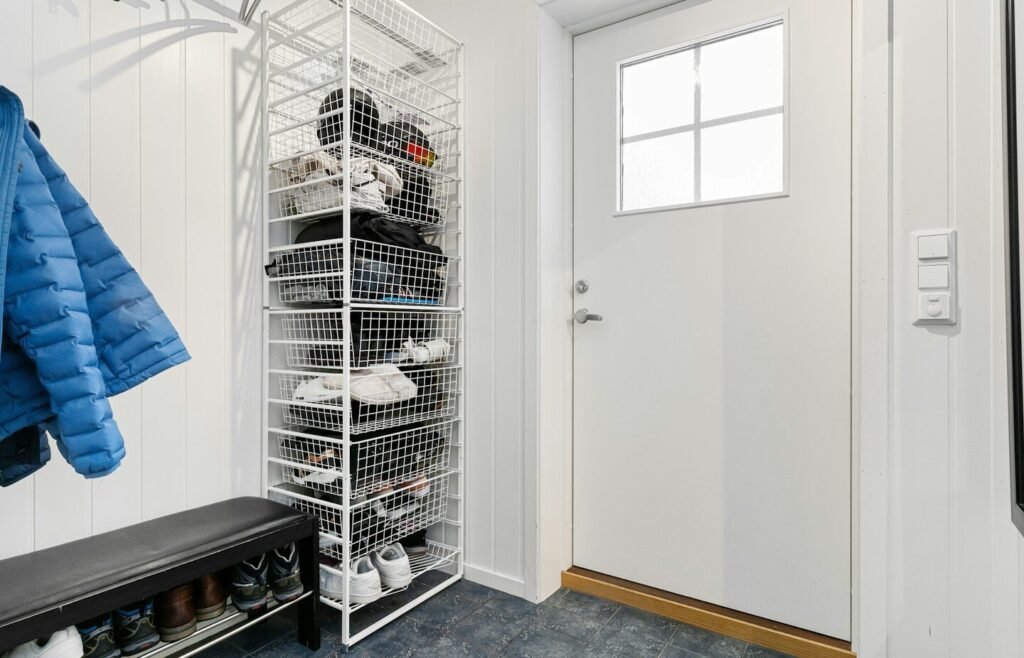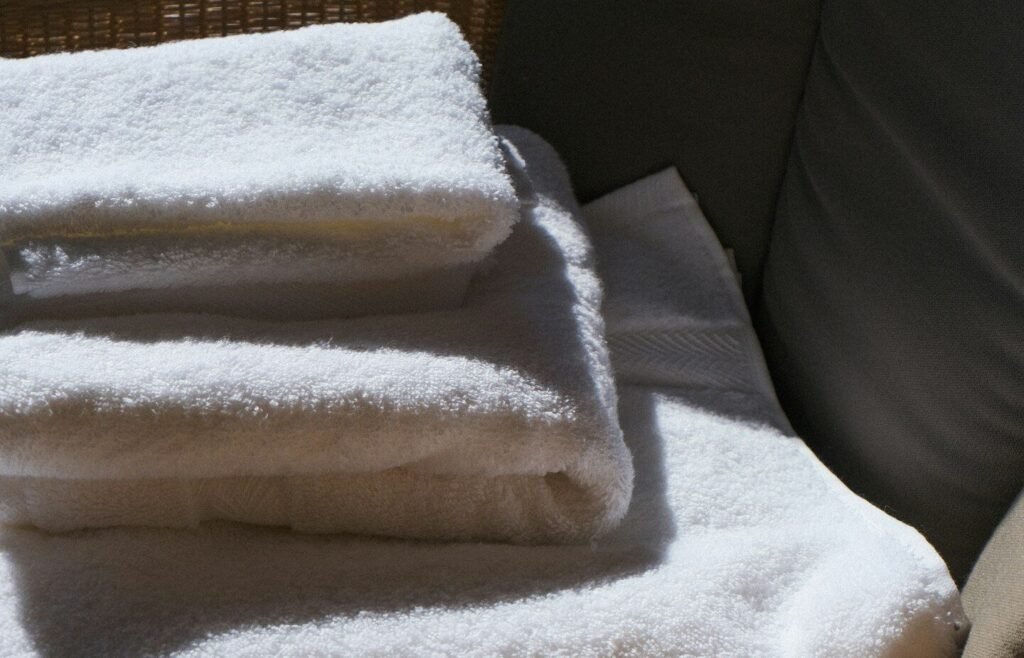
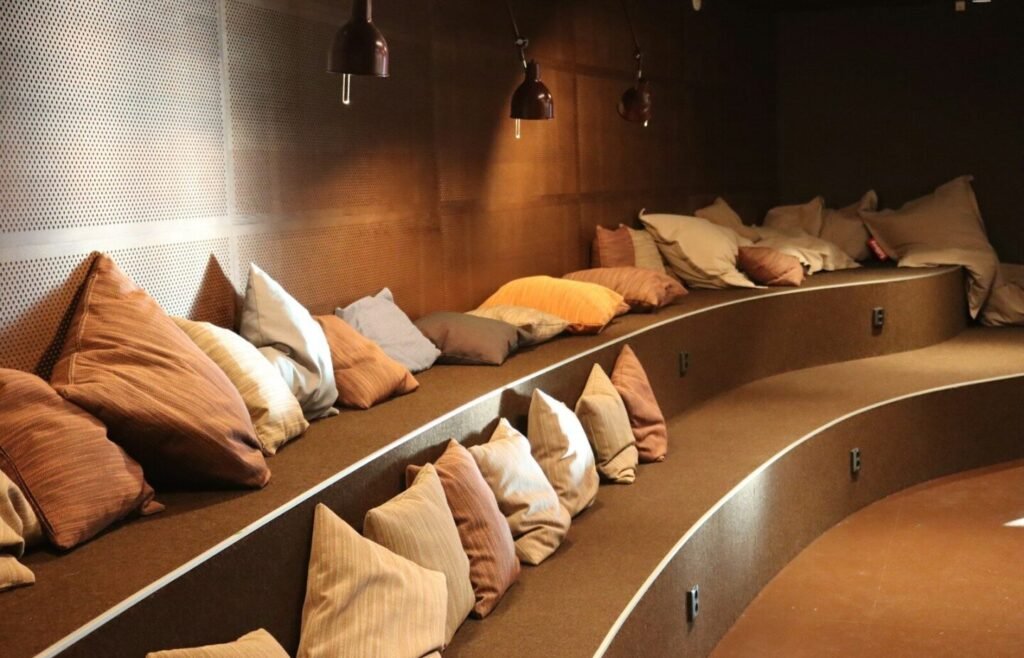
Extra pillows can turn a bed into a more comfortable place to read, rest, and sleep, but they still need a sensible home when they are not in use. Good pillow storage keeps spares clean, dry, and easy to reach, without letting them pile up on a chair, the floor, or the end of the bed. The best approach is rarely the most complicated one. It usually comes down to keeping only what you use, choosing a container that suits the space you have, and putting that container somewhere you can reach without a struggle. This guide covers practical ways to do that in small bedrooms, family homes, and guest rooms, so extra pillows stay in good shape and out of the way.
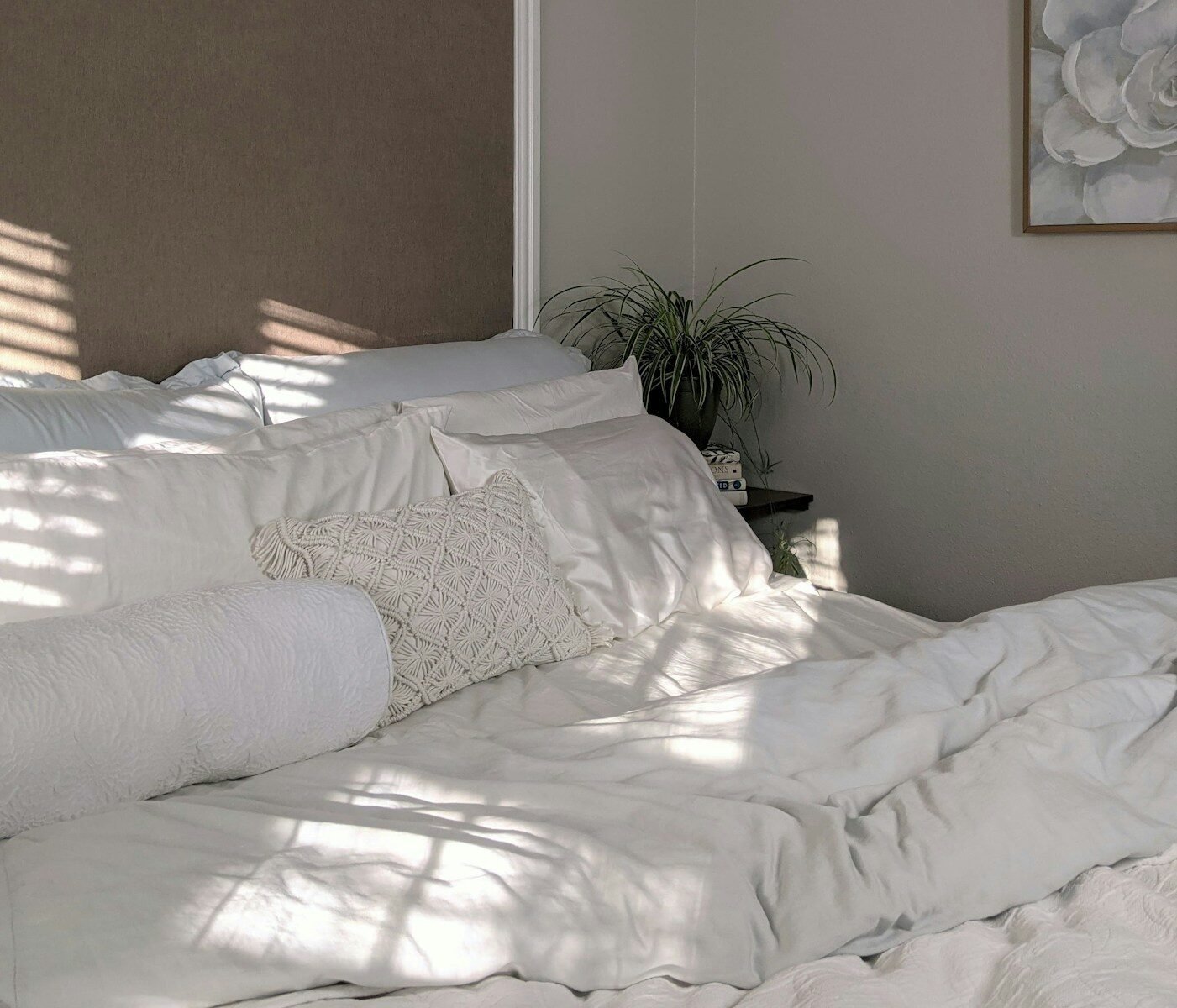
1. Sort Before You Store
Sorting sounds dull, but it is the step that makes everything else work. Gather every spare pillow in the house, including decorative cushions that only appear when guests visit, and look at them honestly. Some will be in regular use, some will be seasonal, and some may have reached the end of their useful life because they are flat, lumpy, stained, or no longer comfortable. Keeping a pillow that nobody enjoys does not save space or money; it only fills a bin that could hold something better.
Once you have the full collection in front of you, divide it into simple groups: everyday spares, guest pillows, and decorative pieces. Everyday spares are the ones family members actually reach for, so they should stay the most accessible. Guest pillows can sit a little further away, as long as they are easy to find when visitors arrive. Decorative pieces, which are often used for appearance rather than sleep, can be grouped together so they do not get mixed up with the pillows people sleep on. This kind of sorting also shows you how many containers you really need. Many people discover they need one fewer bin than they expected, which frees a shelf or a corner for something else.
It also helps to count how many pillows each bed genuinely needs. A bed that is made up fresh every morning does not need a large collection of spares sitting nearby, and a guest room does not need to hold pillows for every possible visitor at once. A smaller, well-chosen set is easier to keep clean, easier to rotate, and much easier to put away. If a pillow is damaged or uncomfortable, check whether it can be repaired, for example by replacing a cover, or whether it is time to let it go. Sorting first means every later decision, from the size of the bin to the place it lives, is based on what you actually own rather than on a guess.
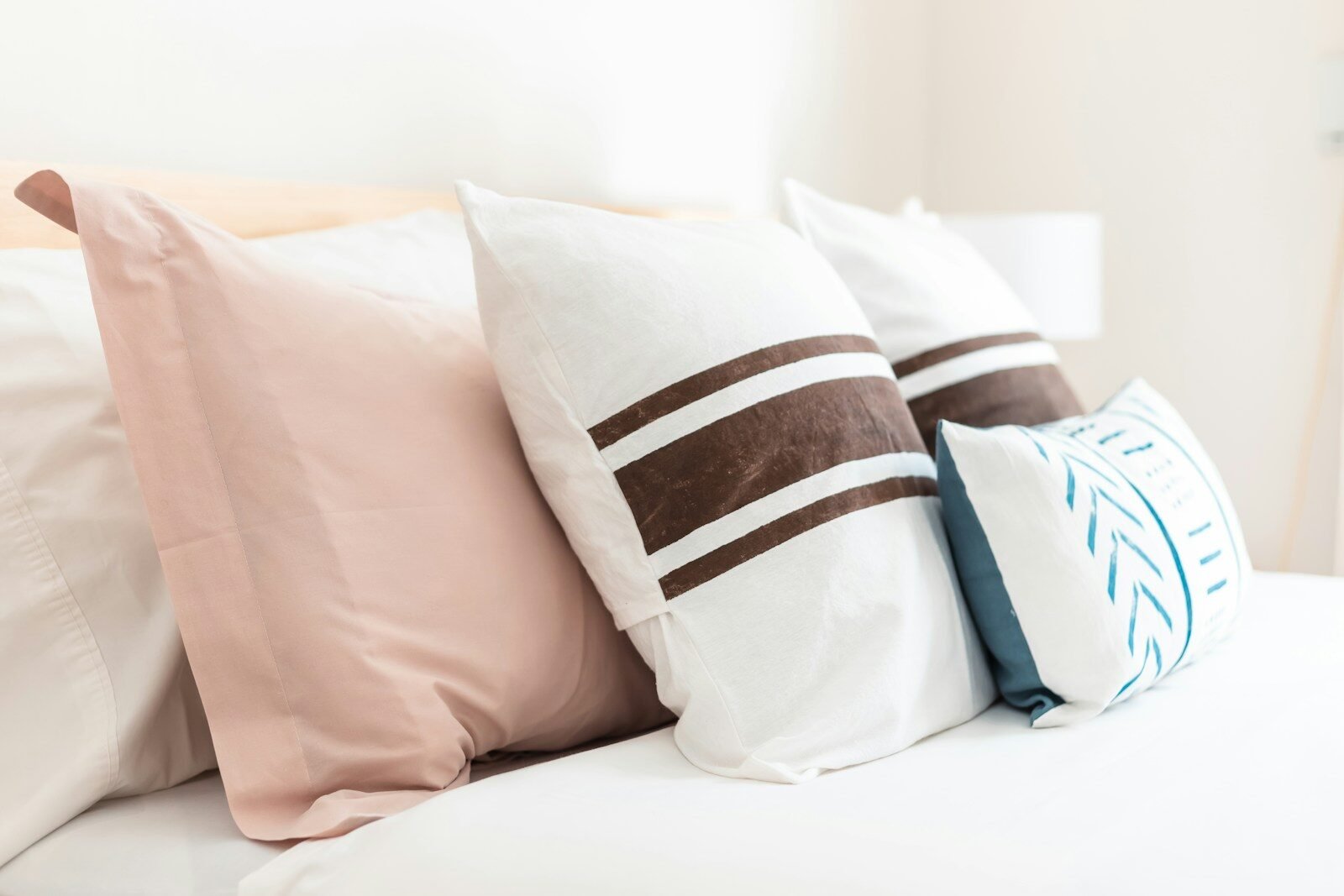
2. Use Breathable Bags and Bins on Closet Shelves
Closet shelves are one of the most common places for spare pillows, and the container you choose matters more than the shelf itself. Breathable fabric bags and fabric bins are a good starting point because they allow air to move around the contents, which helps reduce mustiness during longer periods of put-away. Clear bins have a different advantage: you can see what is inside without opening every container, which saves time when you are looking for a particular pillow. Either option works well, as long as the container is large enough that pillows are not forced in and squashed out of shape.
When you place pillows in a bin or bag, avoid packing them so tightly that they stay compressed for months. Pillows hold their shape better when they have a little room, and they are easier to take out when they are not wedged in place. If a bin is deep, place the pillows you use least at the bottom and the ones you reach for most often on top, so you are not unpacking everything to reach a single item. A simple label on the outside of the bin saves a surprising amount of searching, especially in a shared closet. A short label such as guest, spare, or seasonal is enough; there is no need for a detailed inventory.
Shelf position matters too. Heavy bins belong on lower shelves, where they are easier and safer to lift, while lighter bags can go higher. Keep containers away from damp walls and away from direct heat, since moisture and heat can both affect fabric and filling over time. If a closet tends to feel damp, it is better to choose a different spot in the room rather than hoping the problem will go away on its own. A quick check every few months is enough to catch any early signs of dampness or dust build-up. With a breathable container, a sensible shelf, and a clear label, a closet shelf becomes a reliable home for spares rather than a place where pillows disappear.
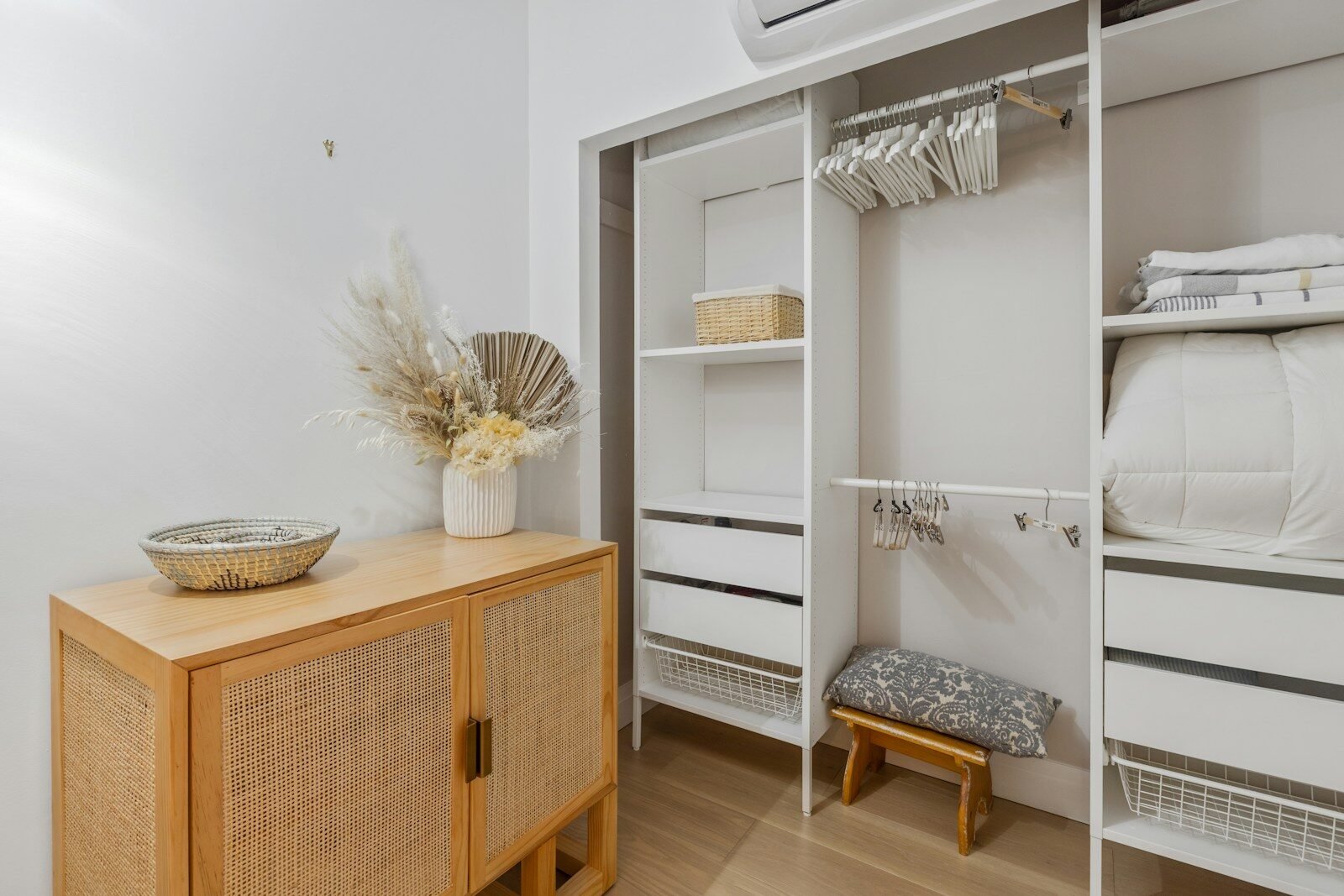
3. Make Under-Bed Space Work Harder
The space under a bed is often wasted, yet it can hold several spare pillows without taking up any floor or closet room. Low, flat bins and rolling drawers made for under-bed use are the most practical choice, because they slide out easily and keep dust away from the contents. Before buying anything, measure the clearance under the bed, including the height of any frame or slats, so the container actually fits. A bin that is even slightly too tall will not slide properly, and one that is far too shallow will waste the space available.
Under-bed containers work best for pillows that are used regularly but not every night, such as guest pillows or seasonal spares. Keep the containers clean by wiping or vacuuming them before pillows go in, and avoid placing them directly on a damp floor. In rooms where the floor can feel cold or damp, a container with a lid offers extra protection. Rolling containers are easier to pull out than flat bags without handles, especially when the bed is pushed against a wall on one side. If the bed has no clearance at all, bed risers can create space, but only use risers that are made for your bed frame and follow the maker’s guidance, since an unstable bed is a safety risk.
It is also worth keeping under-bed storage to a reasonable amount. Filling every centimetre under the bed can make cleaning difficult and can trap dust. Leave enough room to slide containers in and out without forcing them, and keep a small gap for air to move. If a container becomes hard to reach, move the pillows you use most often to a more accessible spot, such as a closet shelf or a storage bench. Used sensibly, under-bed space turns an overlooked gap into genuinely useful room, and it keeps spare pillows close to the bed where they are needed without cluttering the bedroom.

4. Choose Furniture That Hides Extras
Some of the tidiest bedrooms do not look like they have any spare pillows at all, because the pillows are tucked inside furniture that serves another purpose. A storage ottoman at the foot of the bed, a bench with a lift-up seat, or a trunk at the end of the bed can each hold several pillows while also giving you somewhere to sit or to lay out clothes. This approach works particularly well in smaller rooms, where a separate bin would take up floor space that is already in short supply.
When choosing a piece of storage furniture, think about how often you will open it. A bench that is used every day should open and close easily and should not require moving other items out of the way first. Check that the inside is clean and dry before pillows go in, and line it with a washable cover if the interior is rough or dusty. Avoid overfilling it, since a lid that will not close properly can damage hinges over time and can squash the contents. If the furniture will hold heavier items as well, keep the heavier things at the bottom so pillows are not crushed underneath them.
Safety matters here too. A heavy lid can be awkward to lift, so keep heavier storage pieces at a height that is comfortable to use, and make sure children cannot easily climb inside a large trunk or chest. Where a piece of furniture is tall or top-heavy, follow the maker’s guidance on securing it, and keep the area around it clear so the lid can open fully. Furniture that hides extras works best when it is easy to use every day; if opening it feels like a chore, the pillows will soon end up back on a chair. Choose one piece that fits the room, keep it accessible, and let it do two jobs at once.

5. Set Up a Simple Rotation System
A rotation system sounds formal, but in practice it is just a habit of using pillows in turn rather than always reaching for the same ones. Start by keeping one set of spares easily accessible for everyday use and storing the rest a little further away. When the accessible set needs washing, swap it with a stored set, so no pillow sits untouched for a very long time. This simple swap keeps all of your pillows in regular use and makes it easier to notice when one needs attention.
Seasonal changes are a natural moment to rotate. Lighter pillows that are used in warmer months can be put away when heavier ones come out, and the reverse applies when the weather warms up again. Before anything goes into longer put-away, make sure it is fully clean and completely dry, since even slight dampness can lead to unpleasant smells over time. Check care labels for washing guidance, and allow pillows to air fully after washing rather than packing them away while they are still warm or slightly damp. A short airing near an open window, away from direct heat, is usually enough.
Rotation also helps with guest preparation. If guest pillows are always stored in the same labelled bin, in the same place, getting a room ready becomes a quick task rather than a search through several closets. When guests leave, wash the covers, let everything dry, and return the set to its usual place so it is ready for next time. A simple note on the bin, or a fixed place that everyone in the household knows, is enough to keep the system going. Over time, this small routine prevents the common problem of a forgotten bin of pillows that nobody remembers, and it keeps every spare in good condition and ready to use.

Small Habits That Help
Beyond the five main ideas above, a few brief habits make the whole system easier to maintain. Wash and dry pillows fully before putting them away for any length of time. Label each bin or bag with a short, clear word so anyone can find the right one. Air stored pillows occasionally, especially after a long period of put-away. Keep the guest set near the guest room when space allows, so preparation is quick. Finally, check stored items when the seasons change, and deal with any dampness, dust, or damage straight away rather than leaving it for later.
Conclusion
With a little sorting and the right container, pillow storage becomes one of the easiest household systems to keep. Keep only what you use, store spares in a clean, dry, reachable place, and check them from time to time. That simple routine keeps bedrooms tidier, mornings easier, and extra pillows ready whenever they are needed.
Disclaimer: This article is for general informational purposes only and does not replace professional advice. Always follow product care labels and manufacturer guidance, and consult a qualified professional for safety or health concerns.