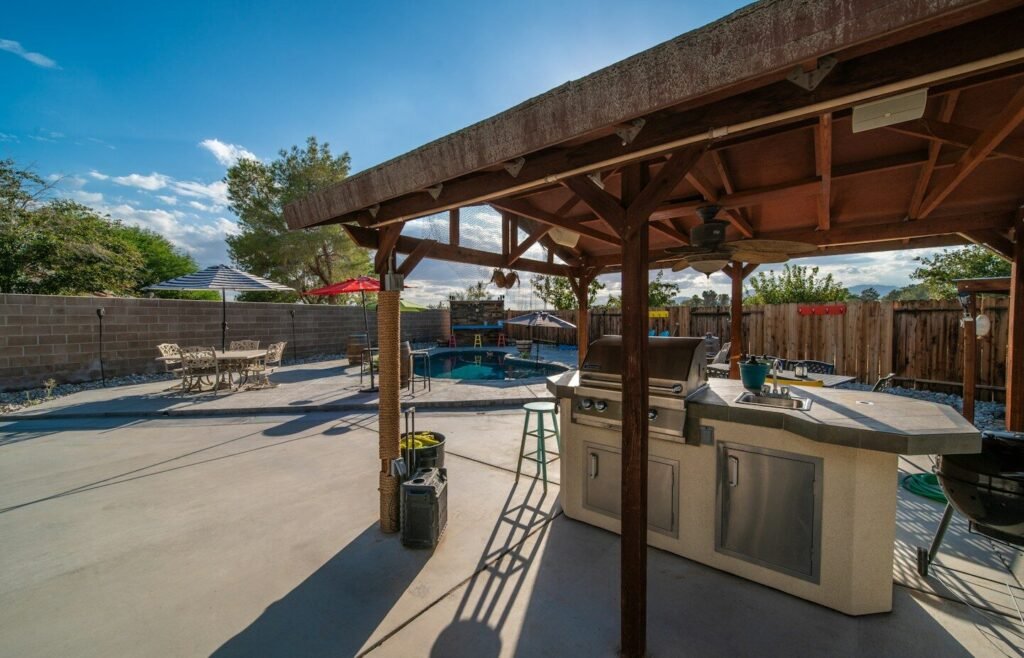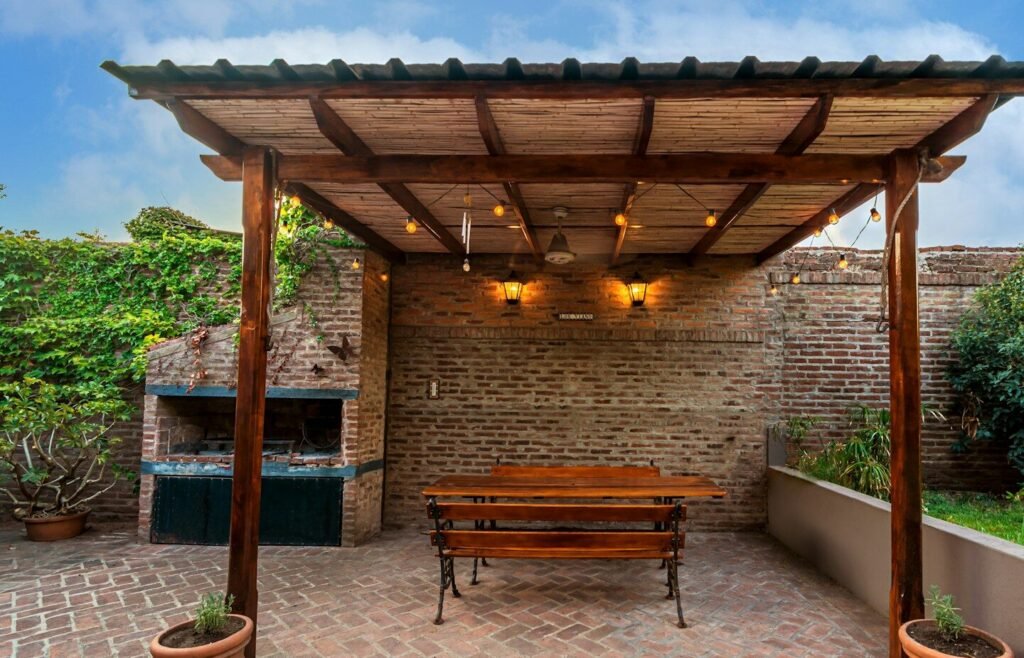
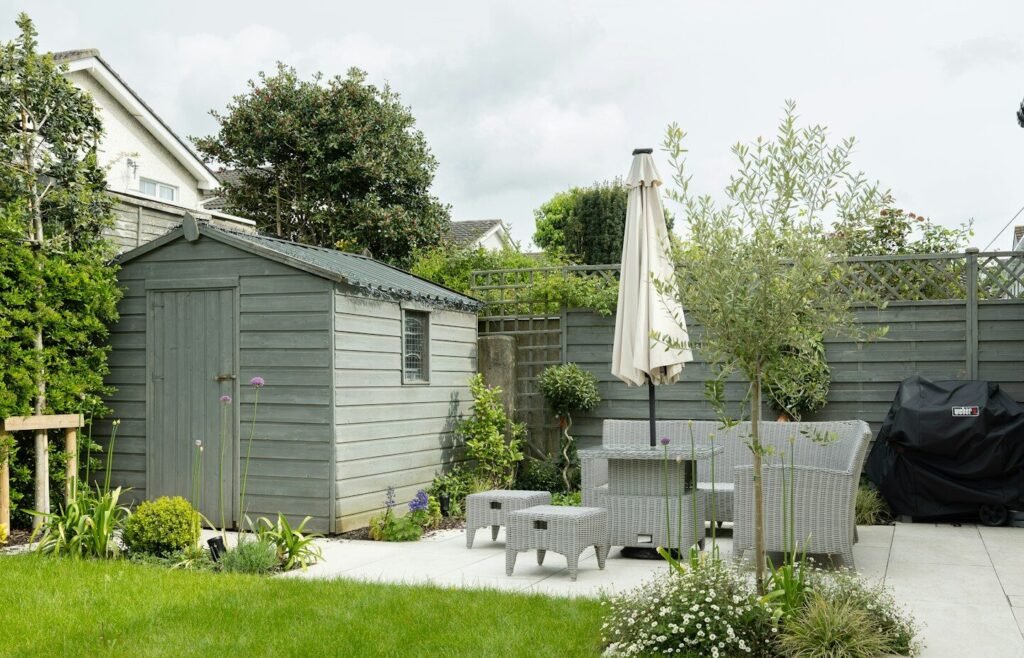
A small yard can still be one of the most-used parts of a home. It does not need a large lawn, an expensive build, or a long list of features to feel welcoming. What it needs is a clear plan, furniture that fits, and planting that suits the light and soil you actually have. The small backyard ideas in this guide focus on those practical choices, so a compact outdoor space becomes a place for morning coffee, evening meals, and quiet time outside, rather than a patch of ground that is mostly walked past.
This guide starts with layout, because that decision shapes everything else. Then it covers planting, furniture, light, and the small habits that keep a compact yard tidy.
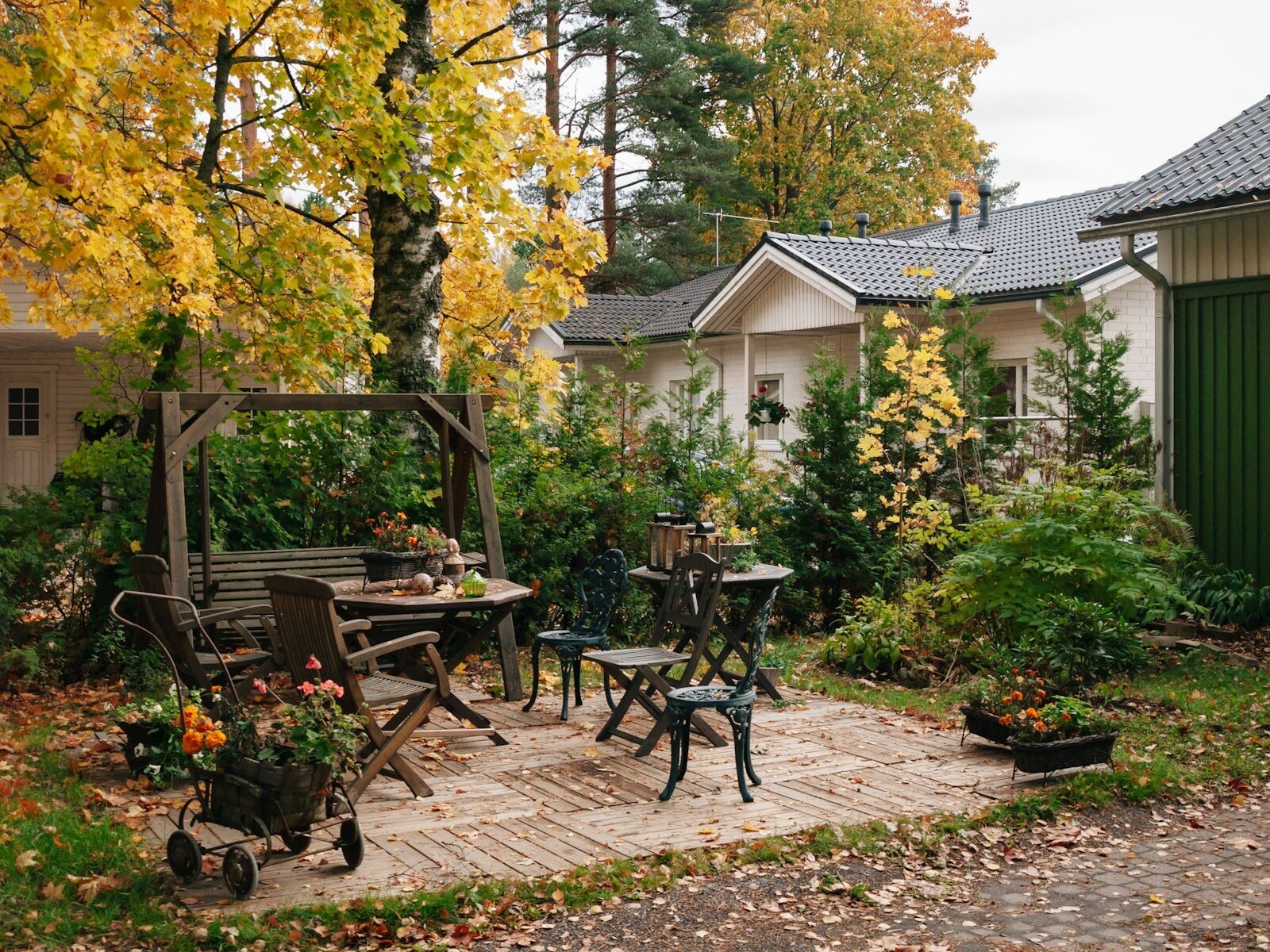
Start With a Simple Layout
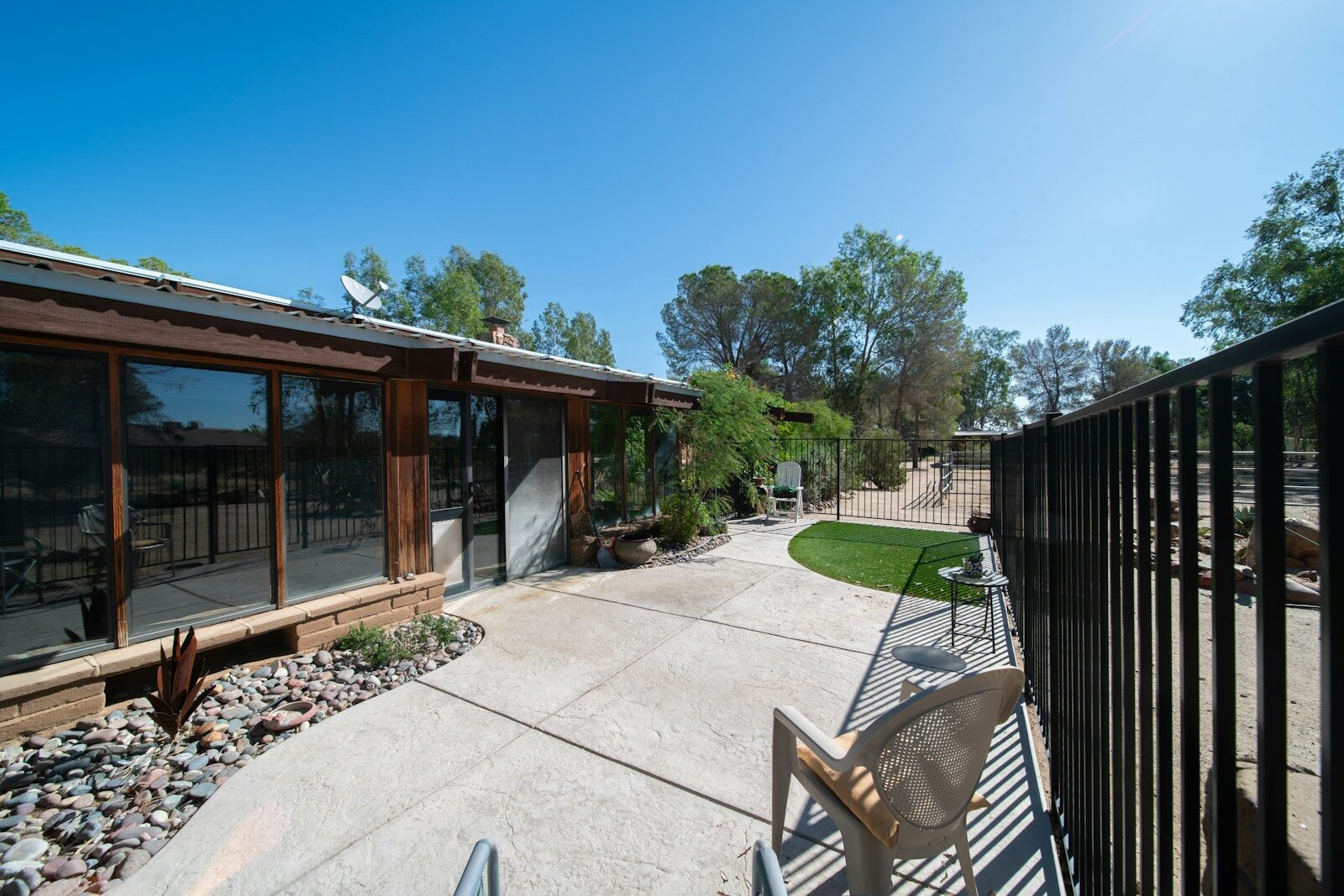
The most common mistake in a compact yard is filling it before planning it. A table here, a few pots there, a grill in the corner, and suddenly there is no comfortable place to walk, sit, or stand. A better first step is to sketch the space on paper, even roughly, and mark what cannot move: the back door, a fence, a tree, a drain, or a path to a gate. Then divide the remaining space into two or three zones at most. A small yard usually works best with a seating zone, a planting zone, and a clear path between them. Trying to fit a dining area, a lounge area, a play area, and a vegetable patch into one tiny plot leaves every zone too small to enjoy.
Measure before you buy anything. Note the width and length of the yard, the height of the fences, and how many hours of direct sun each part gets. A corner that looks sunny at noon may be in shade by late afternoon, which matters for both seating and planting. Leave enough room to walk comfortably around furniture, including space to pull out a chair and to carry food from the kitchen. Mark furniture outlines on the ground with tape first; if you keep squeezing past a chair, adjust the layout before buying anything.
Choose one focal point and let the rest stay calm. It could be a small tree in a pot, a simple water bowl, a single bench, or a planted border. One clear feature gives the eye somewhere to rest and makes the whole yard feel intentional. When every corner competes for attention, a small space feels busy rather than welcoming. Keep paths simple and direct, with a surface that stays steady underfoot, such as stone slabs, gravel over a firm base, or decking boards. A path that is too narrow or uneven will be avoided, and the yard will slowly stop being used.
Grow Upward and Use Every Edge
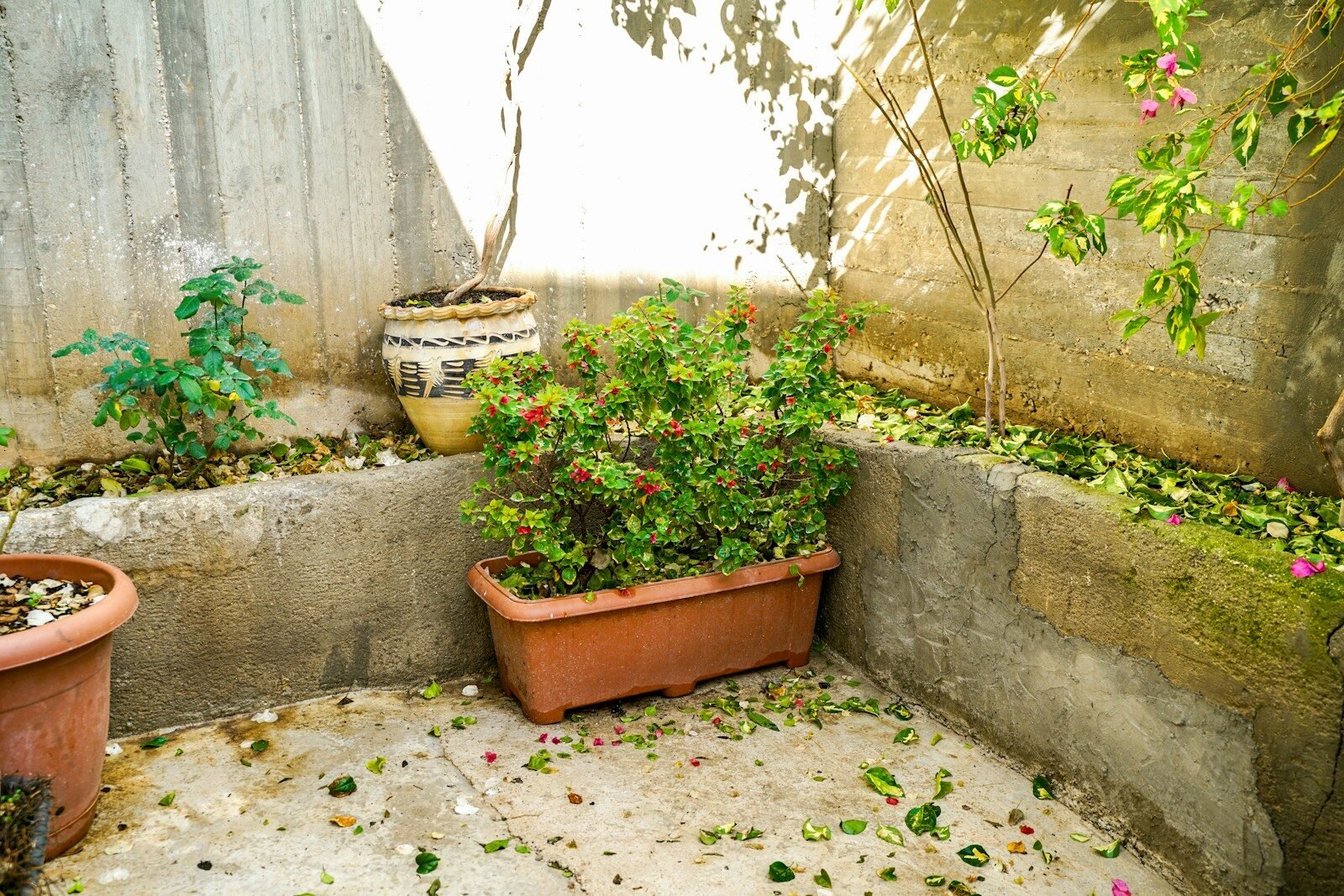
When ground space is short, the walls, fences, and vertical surfaces become the garden. A trellis fixed to a fence can carry climbing plants such as jasmine, clematis, or ivy, which add greenery without taking a single step of floor space. Wall-mounted planters and hanging baskets work the same way, and they bring flowers and herbs up to eye level, where they are easy to see and enjoy. Tiered plant stands fit neatly into corners and hold several pots in the footprint of one.
Narrow beds along the edges are more useful than a single bed in the middle. A border of thirty to forty centimetres along a fence can hold a surprising amount of planting, and it leaves the centre of the yard open for seating and movement. Choose plants that suit the conditions you have, not the ones you wish you had. For a shady corner, ferns and hostas cope far better than sun-loving herbs. For a hot, sunny wall, lavender, rosemary, and other Mediterranean plants handle heat and dry soil well. Mixing plants with very different needs in one bed usually means some of them struggle, so group plants by sun and water needs where you can.
Containers deserve the same care as beds. Use pots with drainage holes, so roots do not sit in water, and choose a potting mix suited to containers rather than garden soil, which compacts in pots. Larger pots dry out more slowly than tiny ones, so a few generous containers are often easier to look after than many small ones. Group pots in odd numbers and at different heights for a natural look, and leave a gap behind them so air can move and you can reach the fence for maintenance.
Pick Furniture That Fits the Space
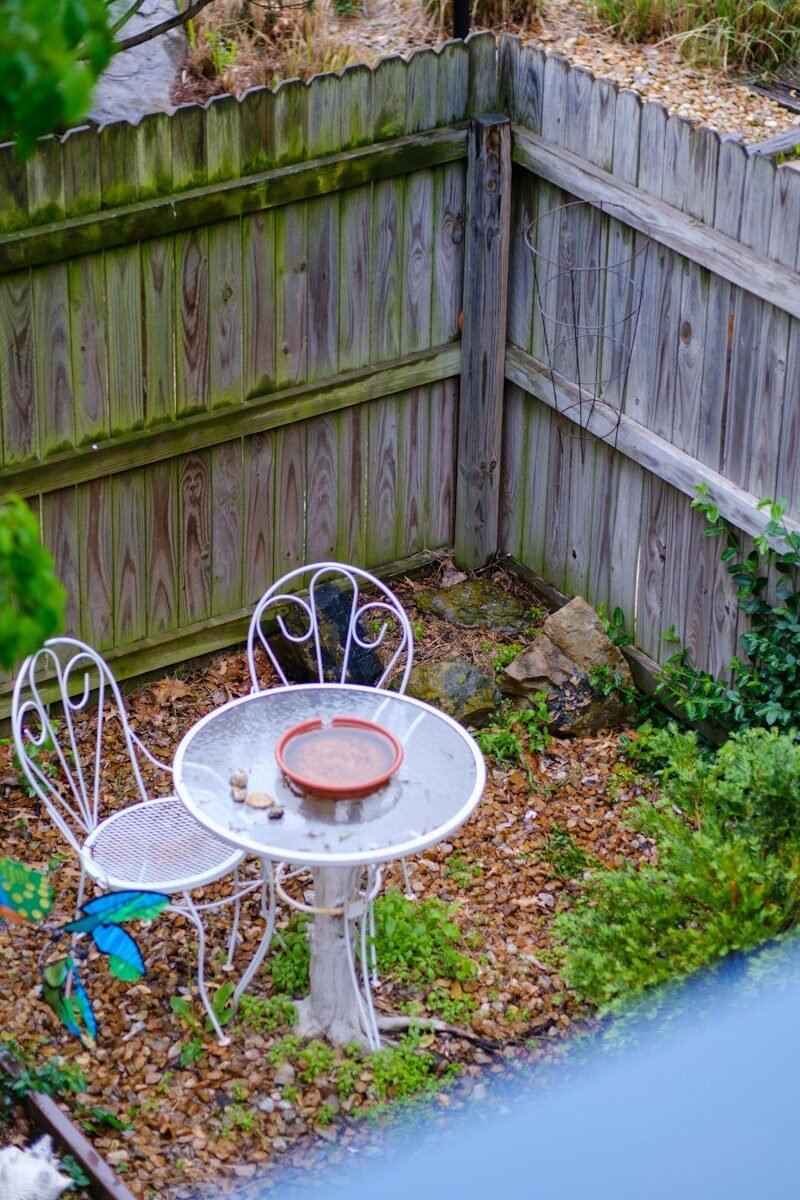
Furniture is where small yards most often go wrong. A full dining set made for a large patio will crowd a compact yard and leave no room to move. Scale matters more than style. A bistro set with two chairs suits many small yards better than a six-seater table, and it still gives a proper place for breakfast or an evening drink. A bench built along a fence or wall seats several people while taking far less floor space than separate chairs, and the area beneath it can hold storage boxes for cushions and tools.
Look for pieces that do more than one job. A storage bench hides cushions and keeps them dry. A folding table can be put away when the yard is needed for something else. Stackable chairs can be brought out for guests and stored flat against a wall afterwards. Lightweight pieces are easier to move when you want sun or shade, but they must be sturdy enough not to blow over in wind.
Materials should suit outdoor life. Teak, cedar, and powder-coated metal cope well with rain and sun, while untreated softwood needs regular treatment to avoid rot. Cushions should be outdoor-rated, quick to dry, and easy to bring inside when rain is forecast. A small outdoor rug can soften a stone or concrete surface and mark out the seating zone, but choose one made for outdoor use so it does not hold water or grow mould. Keep the total number of pieces low. In a small yard, three well-chosen pieces that are used every day beat ten pieces that mostly get in the way.
Use Light and Colour to Make It Feel Larger
A small yard feels larger when it is bright, uncluttered, and visually connected to the house. Light colours on walls, fences, and furniture reflect daylight and keep the space from feeling enclosed. A pale fence stain, light-coloured cushions, and a light stone or gravel surface all help. Avoid filling the yard with many dark, heavy objects, which make the boundaries feel closer. One or two darker accents, such as a dark pot or a single chair, give contrast without closing the space in.
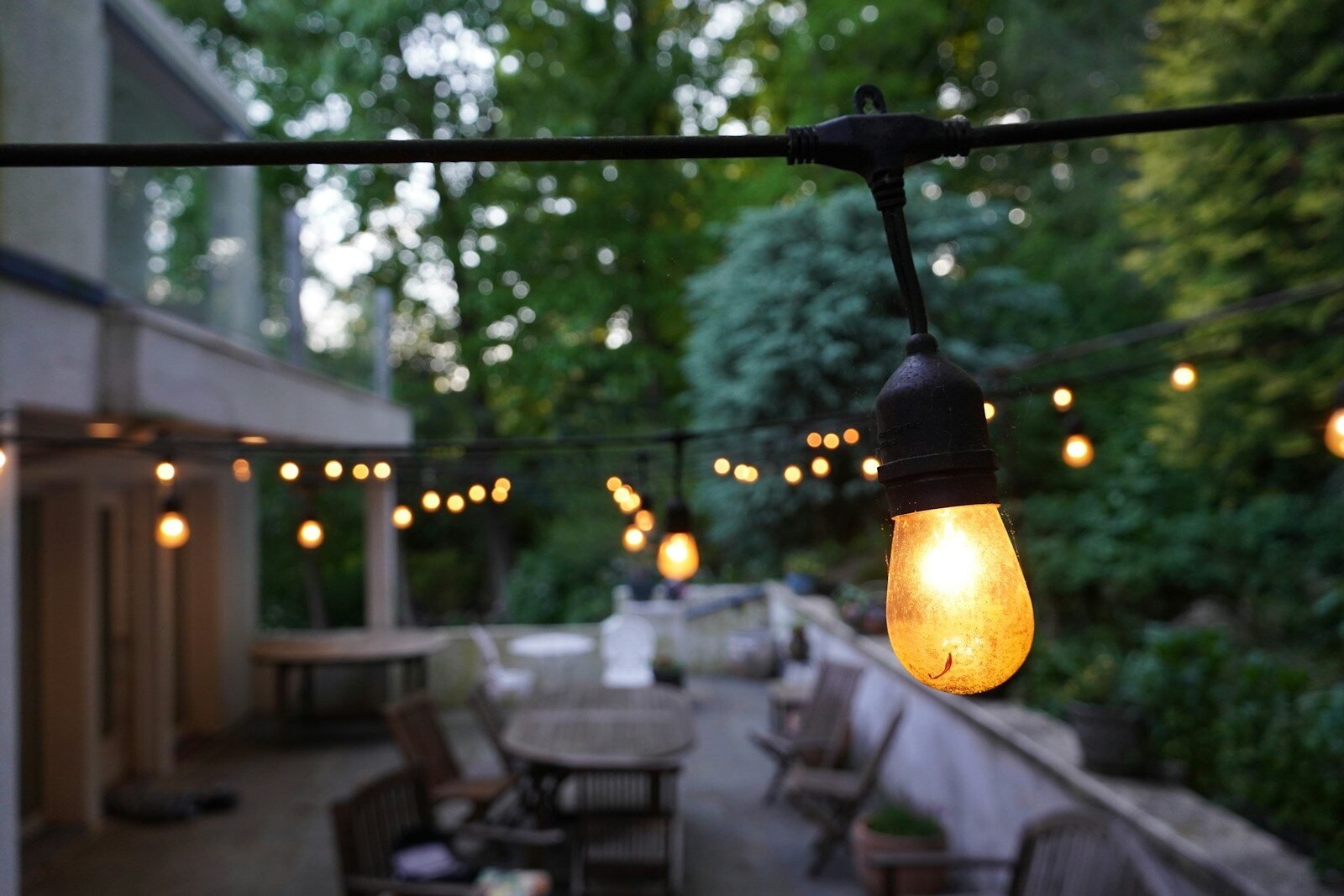
Lighting extends the use of the yard into the evening and makes it feel safer and more welcoming. Low, warm lights along a path, a string of festoon lights above a seating area, or a solar lantern on a table all work well. Solar lights suit places where wiring is difficult, while wired lights give steadier light where it is needed most. Keep lighting soft and low rather than bright and harsh, since a single glaring floodlight flattens a small space and bothers neighbours.
A mirror fixed to a sheltered wall can reflect planting and sky and make a yard feel less boxed in, but it needs care. Put it where it reflects greenery, not a neighbour’s window or a cluttered corner, and keep it clean, since a dirty mirror draws attention to itself. Used sparingly, one mirror is enough; several mirrors in a small yard quickly look restless.
Any electrical, gas, or structural work in a yard should be done by a licensed professional. That includes outdoor wiring, fixed lighting, gas lines for grills or heaters, and building walls, pergolas, or raised structures. Before building anything tall or permanent, check local rules, since fences, screens, and structures often have height limits and boundary conditions. If a job is beyond your experience, hiring a professional is cheaper than repairing a mistake.
Keep Storage and Upkeep Simple
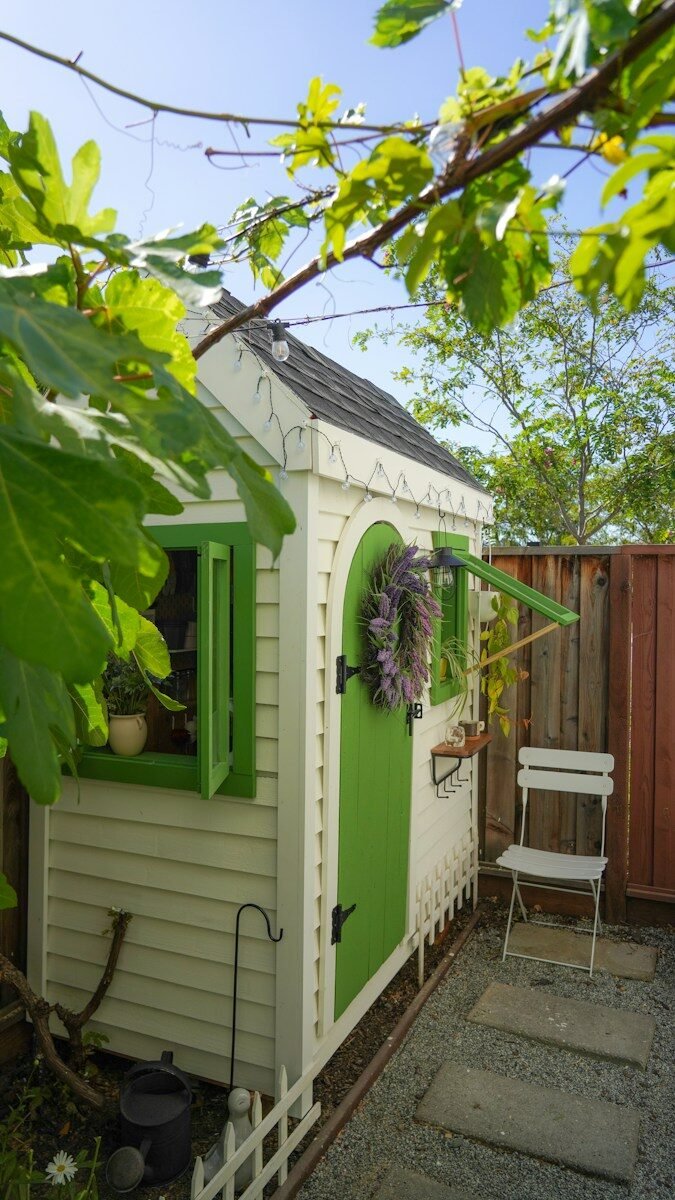
A tidy yard is mostly a matter of having a home for everything. Cushions, tools, watering cans, and children’s toys all need a place that is easy to reach and easy to close. A storage bench, a narrow shed, or a lidded box near the back door keeps these items out of sight and protected from rain. Without storage, every object ends up on the ground, and the yard slowly fills with clutter that makes it harder to enjoy.
Upkeep should fit the time you actually have. Low-maintenance planting, such as evergreen shrubs, ornamental grasses, and hardy perennials, needs far less attention than bedding plants that must be replaced each season. A mulch layer over beds keeps moisture in the soil and weeds down, which cuts watering and weeding time. Sweep paths now and then, clear drains in autumn when leaves fall, and check timber seals once a year. A few minutes of care each week keeps a small yard ready to use, while neglect turns quickly into a job that feels too big to start.
Watering is worth planning, not leaving to chance. Containers dry out faster than beds, especially in sun and wind, so check them by pushing a finger into the mix. If the top few centimetres are dry, water thoroughly until it drains from the bottom, rather than giving a shallow sprinkle that never reaches the roots. Water in the early morning or evening to lose less to evaporation, and group thirsty plants together so one watering round serves them all.
A Few Brief Points Worth Knowing
Budget first, then buy. A simple layout, a few good containers, and one comfortable seat cost far less than a full redesign, and they can be added to over time. Start with the seating and the path, since those decide whether the yard gets used at all, and add planting gradually.
Renters can use most of these ideas without fixed changes. Pots, freestanding planters, folding furniture, and solar lights need no drilling or building, and they can move with you. If you want to fix a trellis or hang anything on a wall, check your rental agreement first and use fixings that can be removed cleanly.
Privacy can be added gently. A row of tall pots with bamboo or grasses, a simple lattice screen with a climber, or an outdoor curtain on a pergola all soften views without building a high wall. Keep screens within local height rules, and leave gaps for air so the yard does not feel closed in.
Children and pets need a little extra thought. Keep play items in one zone so the rest of the yard stays calm, avoid thorny or toxic plants where small children or pets roam, and make sure any water feature is shallow, covered, or supervised.
Seasonal care is simple if it is routine. Bring tender pots under cover before frost, store cushions dry over winter, and refresh mulch in spring. A short check at each season change is enough to catch problems early.
Conclusion
A compact yard does not need to do everything at once. It needs a layout that leaves room to move, planting that suits its light, furniture that fits, and a simple routine for keeping it tidy. Done this way, small backyard ideas are less about adding more and more about choosing well: fewer pieces, better placed, looked after regularly. Start with the seating and the path, add planting gradually, and let the yard earn its keep one pleasant morning at a time.
Disclaimer: This article is for general informational purposes only and does not replace professional advice. For structural, electrical, gas, or plumbing work, consult a licensed professional and follow local regulations.