The entryway is the first space you step into when you come home, and the last one you pass through when you leave. It has to handle coats, shoes, bags, keys, mail, and muddy feet, often in a small area and often in a hurry. When this space works well, mornings feel calmer and coming home feels easier. When it does not, clutter builds up by the door and spreads into the rest of the house. Learning how to design a functional entryway is less about buying a matching set of furniture and more about understanding what your household actually does in that space every day, then giving each of those actions a sensible place.
A good entryway does not need to be large or expensive. It needs to be honest about its limits, clear about its jobs, and easy to keep tidy. The ideas below focus on the decisions that matter most, with a few smaller touches kept brief at the end.
Map Movement Before You Buy Anything
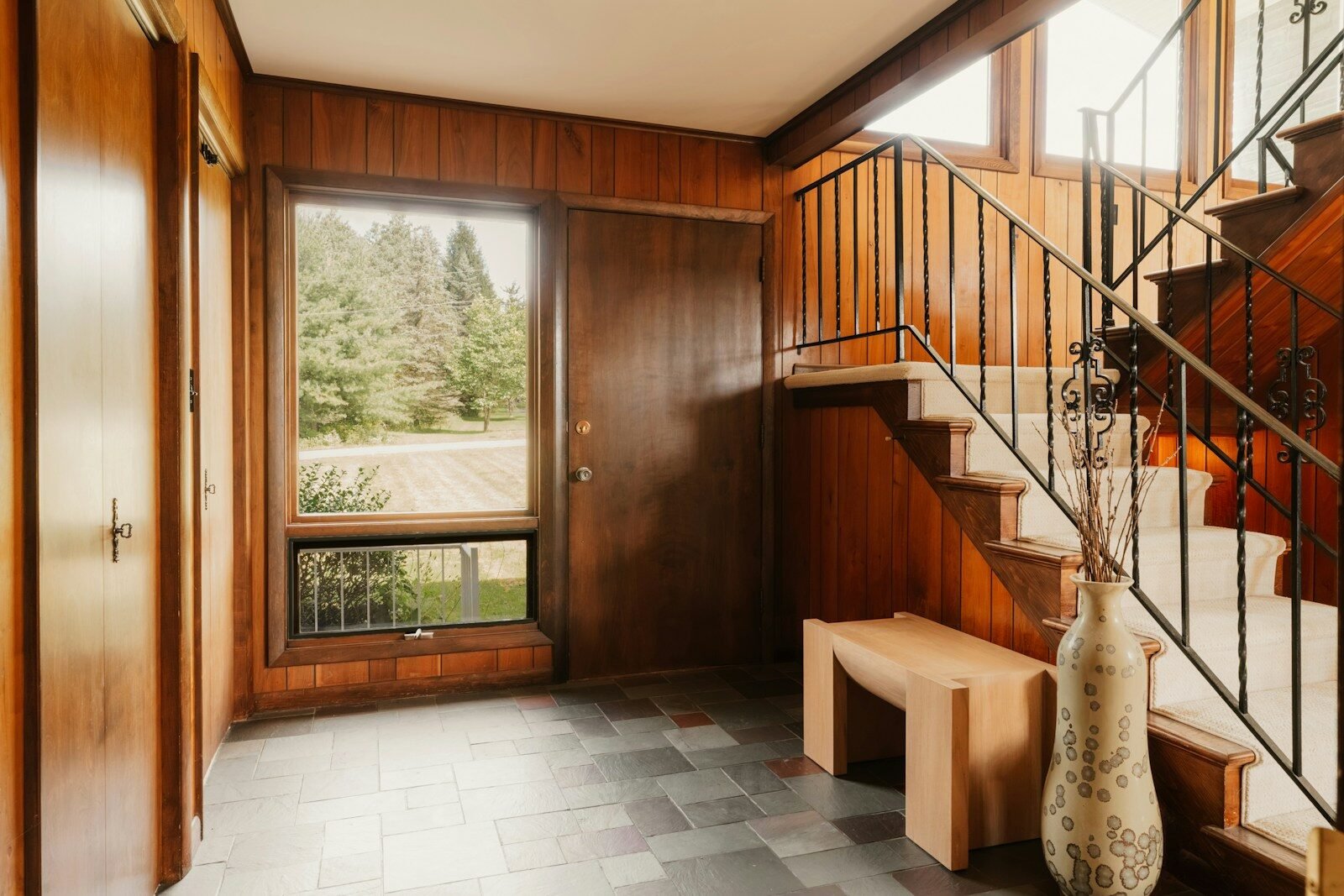
The most common mistake in an entryway is buying furniture before understanding how people move through the space. Stand in the doorway and watch the path from the door to the rest of the house. Notice where people naturally stop, where they set things down, and where they turn. Notice which way the door swings, how much clearance it needs, and whether the path narrows around a staircase, a closet, or a radiator. A bench or a tall cabinet placed in the natural walking line will be bumped into daily, no matter how attractive it looks in a photograph.
Think about who uses the entryway and when. A household with children will need low hooks and easy shoe storage. A household with one or two adults may need less, but still needs a place for a work bag, an umbrella, and a coat. A home with a dog will need a spot for a lead, towels, and muddy paws. Guests matter too. If visitors have nowhere to put a coat or a pair of shoes, those items end up on the nearest chair or on the floor.
Measure the space before choosing anything. Note the width of the wall, the height available, and the depth you can use without blocking the door or the hallway. Leave a clear walking path wide enough for comfortable movement, including room to open the door fully and to carry bags in and out. In a narrow hallway, shallow storage and wall-mounted hooks often work better than deep furniture. In a wider entry, a bench or a console can anchor the space without getting in the way. Sketching a simple plan on paper, even a rough one, helps you see problems before you spend money or drill holes.
Give Everything a Home With Storage That Fits Daily Life
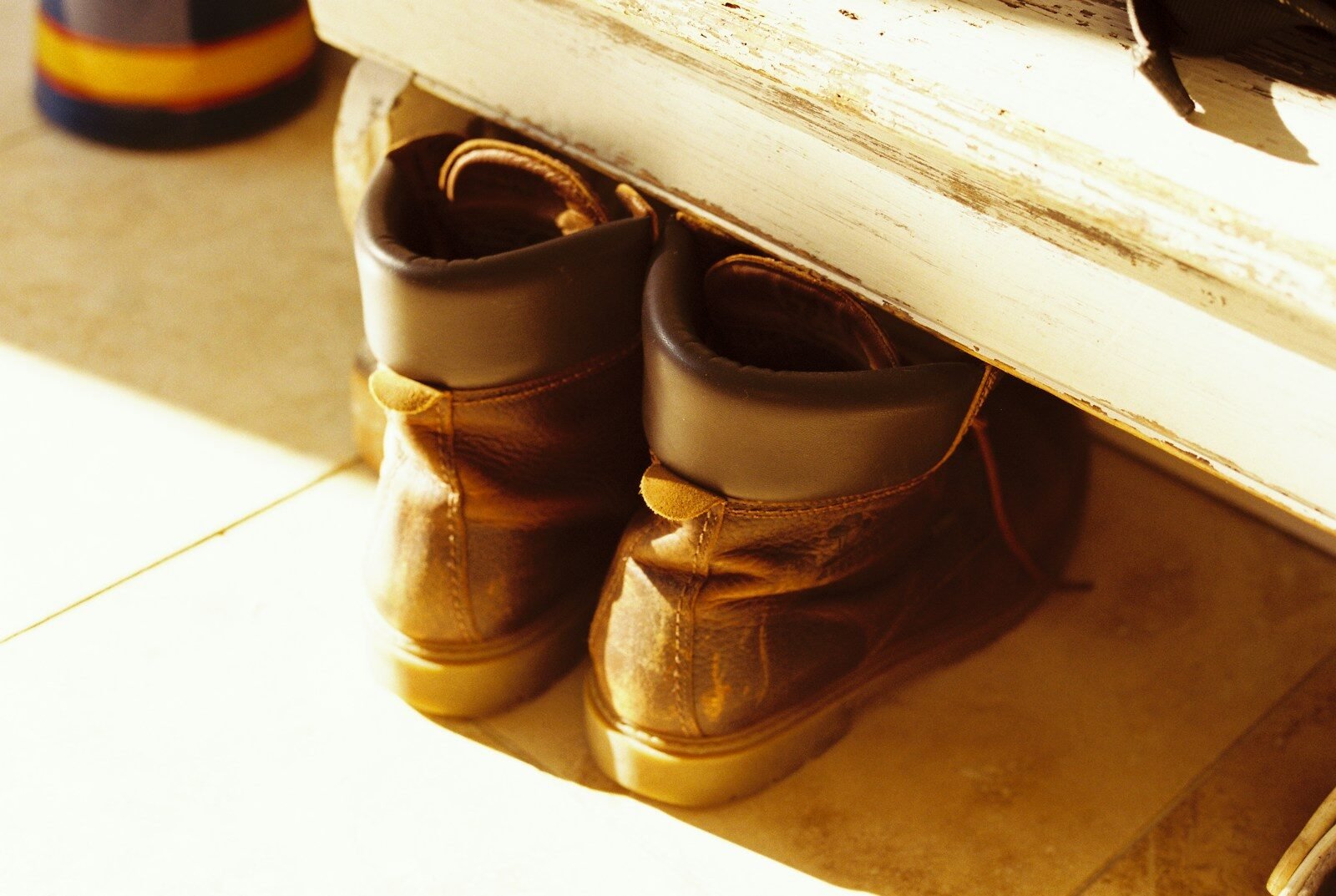
Storage fails when it does not match real habits. A closed cabinet looks tidy, but if opening it feels like extra work, shoes will end up beside it instead of inside it. Open baskets or a low shoe rack may suit a busy household better, because putting things away takes one step instead of three. The right choice depends on how your household actually behaves, not on how tidy you wish it were.
Start by listing what must live by the door: shoes, coats, bags, hats, scarves, umbrellas, and anything else that travels in and out daily. Then match each item to a home. Coats need hooks or a rail at a height everyone can reach. Shoes need a rack, a tray, or a bench with space beneath. Small items like gloves and hats need a basket or a lidded box so they do not scatter. If the entryway also handles sports kit, school bags, or work equipment, plan for those too, or they will take over the floor.
Closed storage suits items you want hidden, such as cleaning supplies or out-of-season gear. Open storage suits items used every day, because it keeps them visible and reachable. A mix often works best: closed storage for the bulk, open hooks and trays for the daily essentials. Label baskets if more than one person uses the space, so everyone knows where their own things belong. Keep the number of storage pieces small. One good unit that is used daily beats three attractive pieces that are ignored.
Heavy wall-mounted storage must be fixed securely. Use fixings suited to your wall type, and follow the furniture maker’s instructions. If you are unsure about the wall, the weight, or the fixings, ask a qualified tradesperson for help rather than risking a unit pulling away from the wall.
Create a Landing Zone for Keys, Bags, and Mail
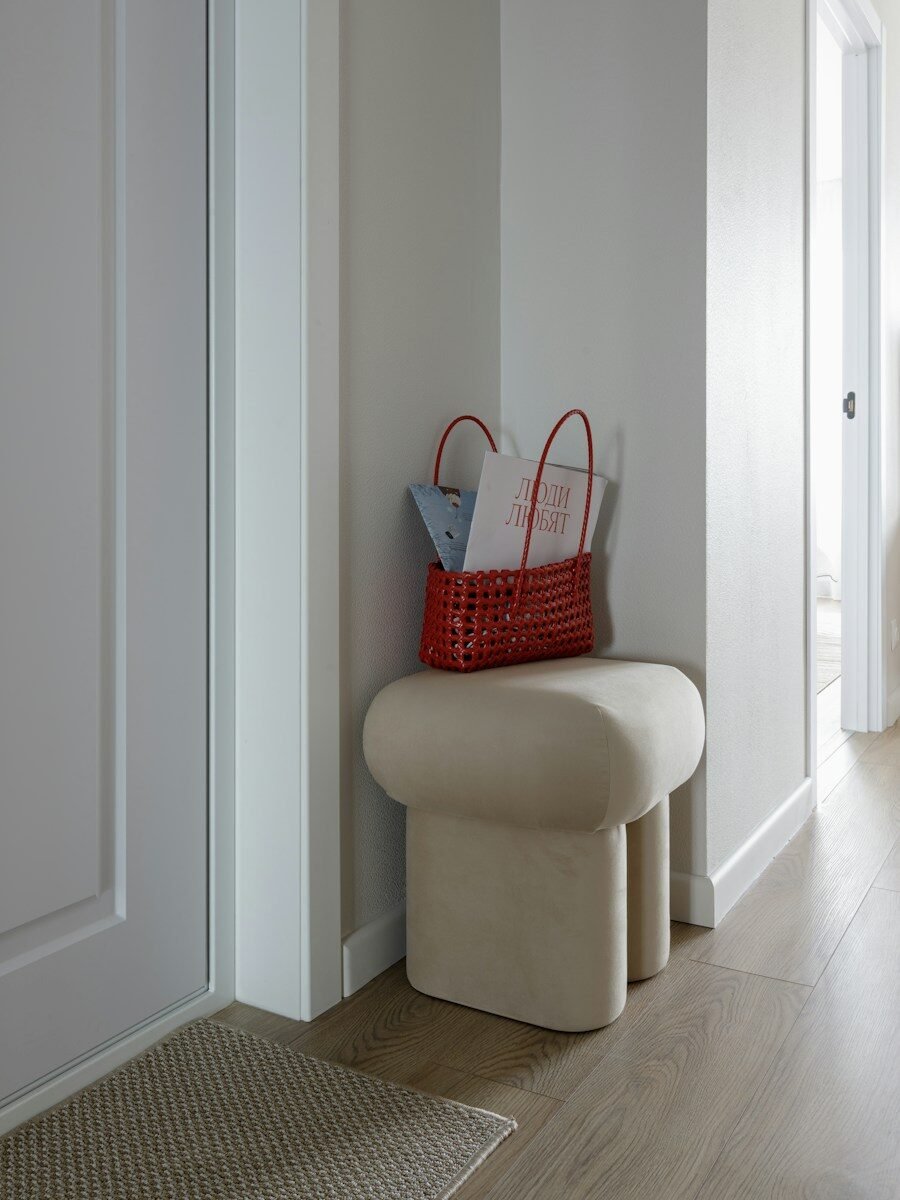
Almost every household has a small pile of items that arrive and leave daily: keys, a wallet, sunglasses, a phone, incoming mail, and outgoing letters. Without a defined landing zone, these items migrate to kitchen counters, sofa arms, and hallway tables. A landing zone solves this by giving them one obvious place, close to the door, where they always go.
A small tray, a shallow bowl, or a wall-mounted shelf near the door can hold keys and small pocket items. A hook or two nearby can hold a bag or a tote. A basket or a wall pocket can catch mail until it is sorted. The key is location: the landing zone should be within arm’s reach of the door, at a height that feels natural, and visible as soon as you walk in. If it is tucked around a corner or behind the door, it will not be used.
Keep the landing zone small on purpose. A tray that holds only the daily essentials stays useful. A large surface invites piles. Sort mail at least a few times a week, return items that do not belong there, and keep the zone clear enough that setting keys down takes no thought. For households where several people share the entryway, give each person a hook or a small section so bags and keys do not get mixed up. Children benefit from a low hook of their own, which also helps them build the habit of putting things away.
Add Seating That Suits the Household
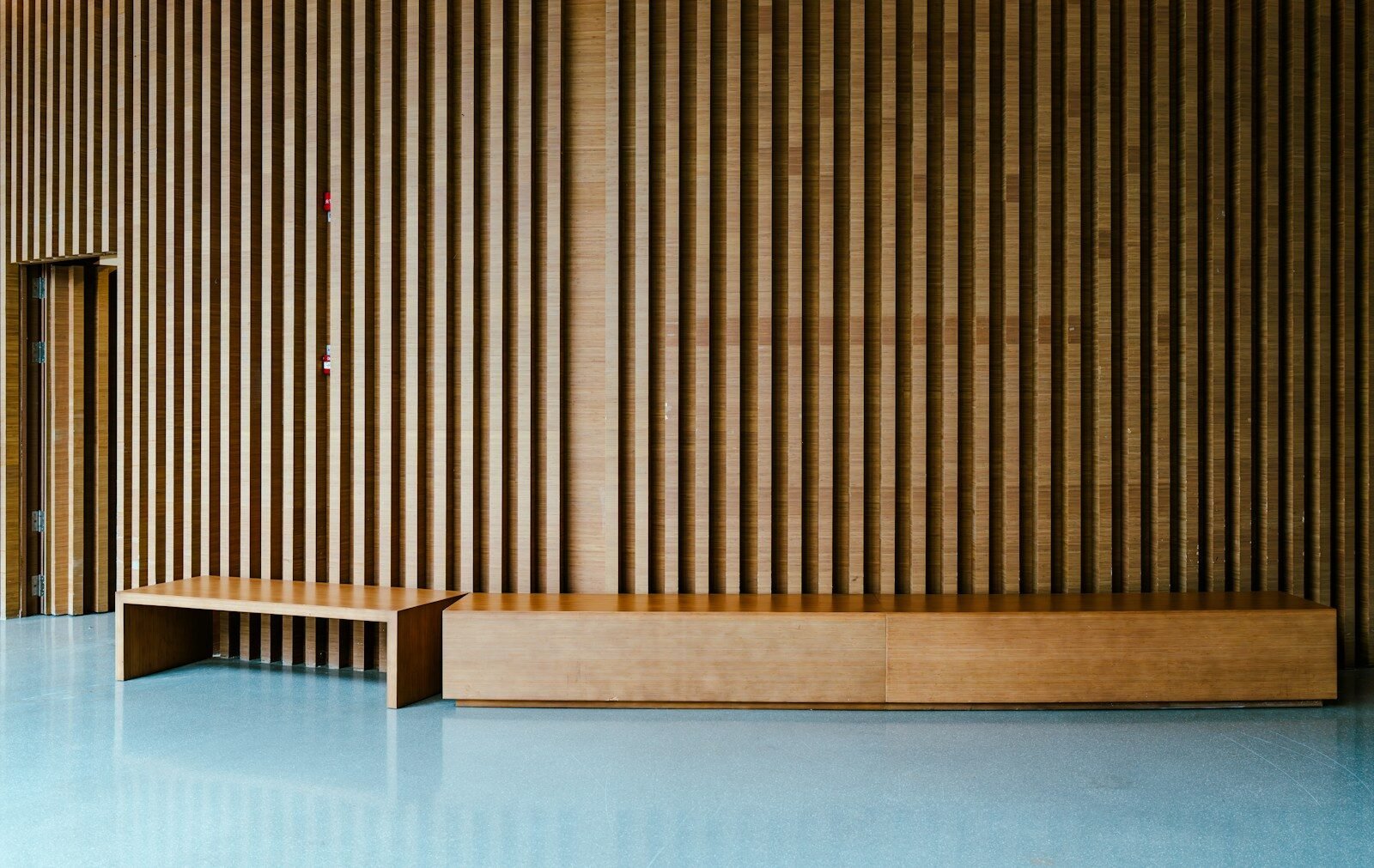
Seating changes how an entryway is used. A bench makes it easy to sit down to put shoes on or take them off, which is helpful for children, older adults, and anyone carrying a bag. It also gives the space a sense of purpose: this is a room, not just a passage. Without seating, people balance on one foot, lean on the wall, or sit on the stairs, and shoes end up scattered while they do it.
Choose seating that fits the space and the household. A simple bench works in many entries, and one with storage underneath does double duty for shoes or baskets. A single sturdy chair can work in a tight corner. A built-in bench suits a wider entry or a hallway with an unused alcove. Whatever you choose, keep the seat height comfortable for sitting and the depth shallow enough that it does not block the walking path. Leave room beside or beneath the seat for shoes, so the act of sitting and removing shoes happens in one spot.
If space is very tight, a wall-mounted fold-down seat or a slim stool tucked under a console can help, but only if it is genuinely easy to use. Seating that must be unfolded, moved, or cleared before use will be ignored. Test the arrangement in practice: sit down, take off your shoes, put them away, and stand up again. If any step feels awkward, adjust the layout before settling on it.
Layer Lighting and Use Mirrors With Care
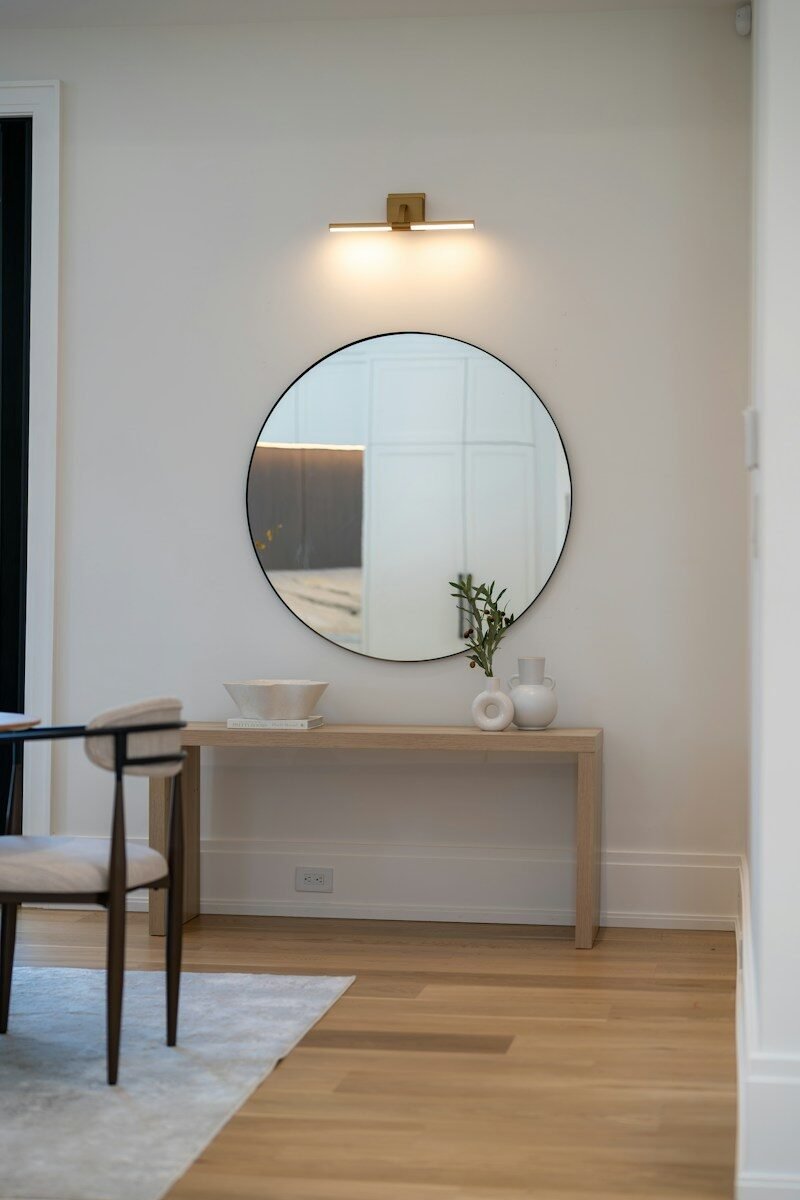
Entryways are often dim, especially hallways without windows. Good lighting makes the space safer, more welcoming, and easier to use. A single harsh overhead light can leave corners in shadow and make the space feel flat. Layered lighting works better: a ceiling light for general brightness, plus a smaller light source near a mirror or console for tasks like checking your appearance or finding keys. A warm, soft light usually feels more welcoming than a stark, bright one, and it helps the entryway feel like part of the home rather than a corridor.
Mirrors are useful in an entryway for a last check before leaving, and they can make a small space feel more open by reflecting light. Hang a mirror at a height that works for the adults in the household, and keep it near the door so it is used on the way out. Avoid placing a mirror where it reflects clutter or a messy storage area, since that doubles the visual mess. Keep the mirror clean, as smudges and dust show up quickly in a space used daily.
Any work involving wiring, new light fittings, or changes to an electrical circuit should be done by a licensed electrician. If you are adding a light or moving a switch, do not attempt the wiring yourself. A qualified professional can also advise on safe placement near doors and in damp areas, such as an entry that opens directly outside. For rented homes, check with the landlord before making electrical or structural changes, and use plug-in or battery lights where fixed changes are not allowed.
Smaller Touches Worth Considering
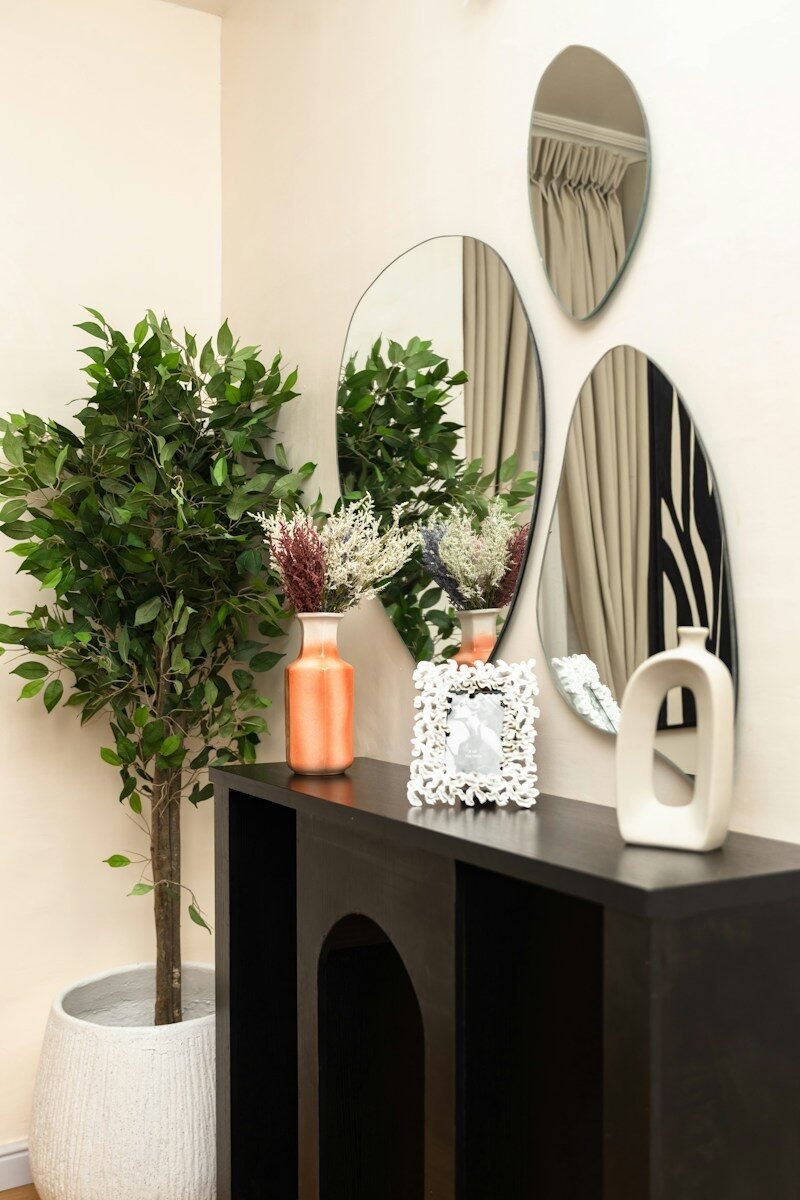
Colour and texture can soften a hardworking space. A washable paint finish stands up to scuffs better than a delicate one, and a rug or runner adds warmth underfoot. Choose a rug that can be cleaned easily, since entryway rugs collect dirt quickly, and make sure it lies flat so it is not a trip hazard.
Decor should be simple and personal, but not so much that it competes with storage. A framed print, a plant that suits the light available, or a small decorative object can make the space feel cared for without getting in the way. Avoid delicate items at hand height near the door, where bags and coats can knock them over.
Seasonal changes are worth planning for. Winter brings heavier coats, boots, and wet umbrellas, while summer brings lighter layers and outdoor gear. A basket that swaps contents with the season, or a spare hook for a heavy coat, keeps the entryway working all year without a full rearrangement.
For very small entries, focus on the essentials only: hooks, a shoe tray, and a small landing surface. Wall-mounted pieces save floor space, and a narrow console can hold keys without blocking movement. If the entryway opens straight into a living room, a rug or a change in flooring can mark the boundary and signal where outdoor shoes stop.
Keeping the space tidy is a habit, not a one-time effort. A quick reset each evening, putting shoes away and clearing the landing zone, takes a minute and prevents the slow build-up that makes an entryway feel chaotic. Involve everyone who uses the space, and keep the system simple enough that a child or a guest can follow it without instructions.
Conclusion
A functional entryway is not about perfection. It is about a space that supports the routines of the people who use it, with storage that matches real habits, a landing zone for daily items, seating that makes life easier, and lighting that makes the space safe and welcoming. Start with movement, keep storage simple, and let the smaller touches follow once the basics work. When you understand how to design a functional entryway around your own household, the result is a calmer start to the day, an easier return home, and a hallway that stays tidy because it was planned for real life.
Disclaimer: This article is for general informational purposes only and does not constitute professional advice. For structural, electrical, or gas work, consult a licensed professional.