
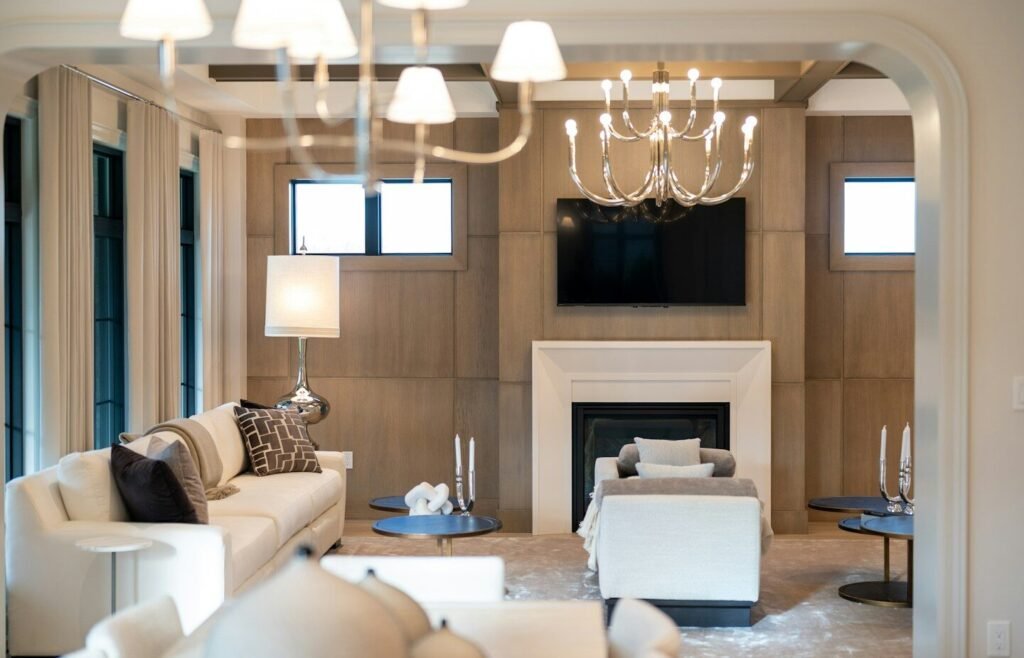
Modern traditional interior design is a style that pairs classic shapes with clean, modern lines. It keeps the warmth and familiarity of traditional rooms while removing the heaviness that can make them feel dated. The result is a home that feels calm, collected, and easy to live in — neither a museum piece nor a bare, empty box. This guide explains the main ideas behind the look, the choices that support it in each part of the home, and simple ways to start without redoing your whole house.
The Core Idea
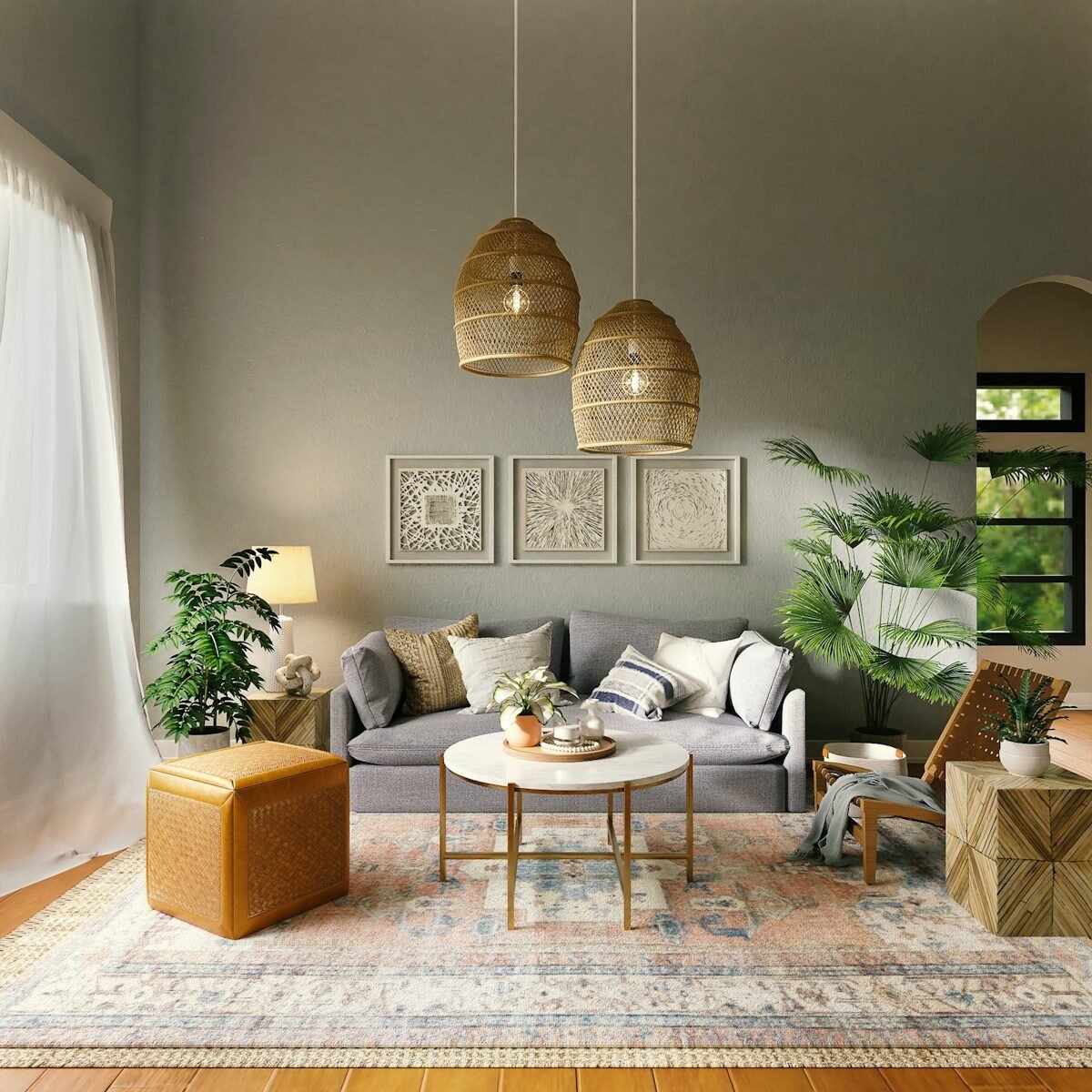
The core idea is balance. Traditional elements bring shape, detail, and a sense of history: a rolled arm, a turned leg, a paneled door, a molded ceiling edge. Modern elements bring simplicity: plain fabrics, uncluttered surfaces, and furniture that does not demand attention. When the two sides are balanced, a room feels settled rather than staged. When one side takes over, the room tips — too much tradition feels formal and heavy, too much modern minimalism feels cold. A useful test is to stand in the doorway and notice what your eye lands on first. If one ornate piece or one empty wall dominates everything else, the balance needs adjusting. Small changes, like swapping a heavy curtain for a lighter one or removing one large accessory, often fix the problem better than buying something new.
Color: Warm Neutrals First
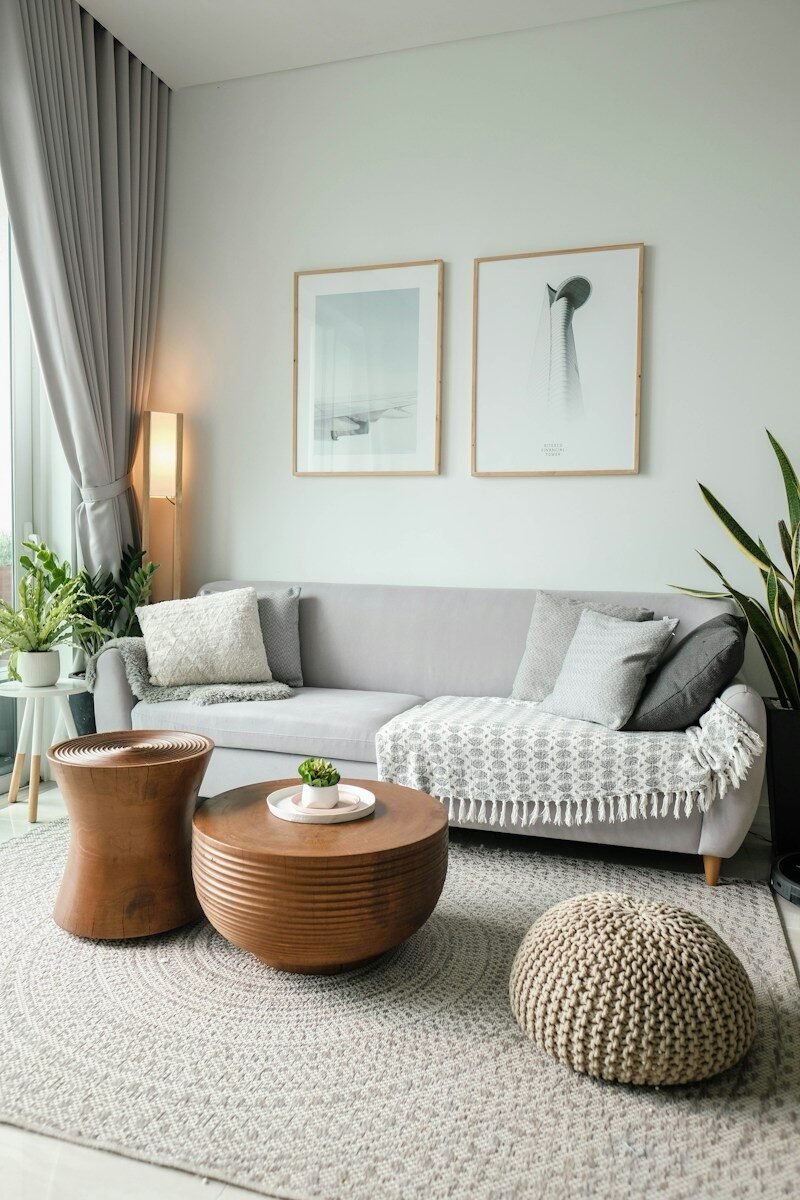
Color does most of the quiet work in this style. Start with warm neutrals: warm white, soft greige, light taupe, and pale cream. These shades make rooms feel open without the chill of stark white, and they sit comfortably next to both dark wood and light upholstery. Paint walls in one of these neutrals, then use a slightly lighter or darker shade from the same family for trim and doors. That small shift adds depth without introducing a new color.
Add one or two muted accent colors, used sparingly. Sage green, dusty blue, soft clay, and warm mustard all work well because they read as natural rather than loud. Use them in pillows, throws, art, or a single upholstered chair — not on every surface at once. A room feels calmer when the palette stays limited to three or four colors in total, with neutrals doing most of the work and accents appearing in a few places.
Before committing to a paint color, test it properly. Paint a large sample on the wall and look at it in morning light, afternoon light, and evening lamplight, because warm neutrals can shift a great deal between daylight and artificial light. For finishes, matte or eggshell suits walls, while satin works well on trim and doors because it is easier to wipe clean. Avoid pairing very dark, heavy furniture with cold, bright white walls, since that contrast tends to make a room feel harsh rather than warm.
Furniture: Classic Shapes, Clean Lines
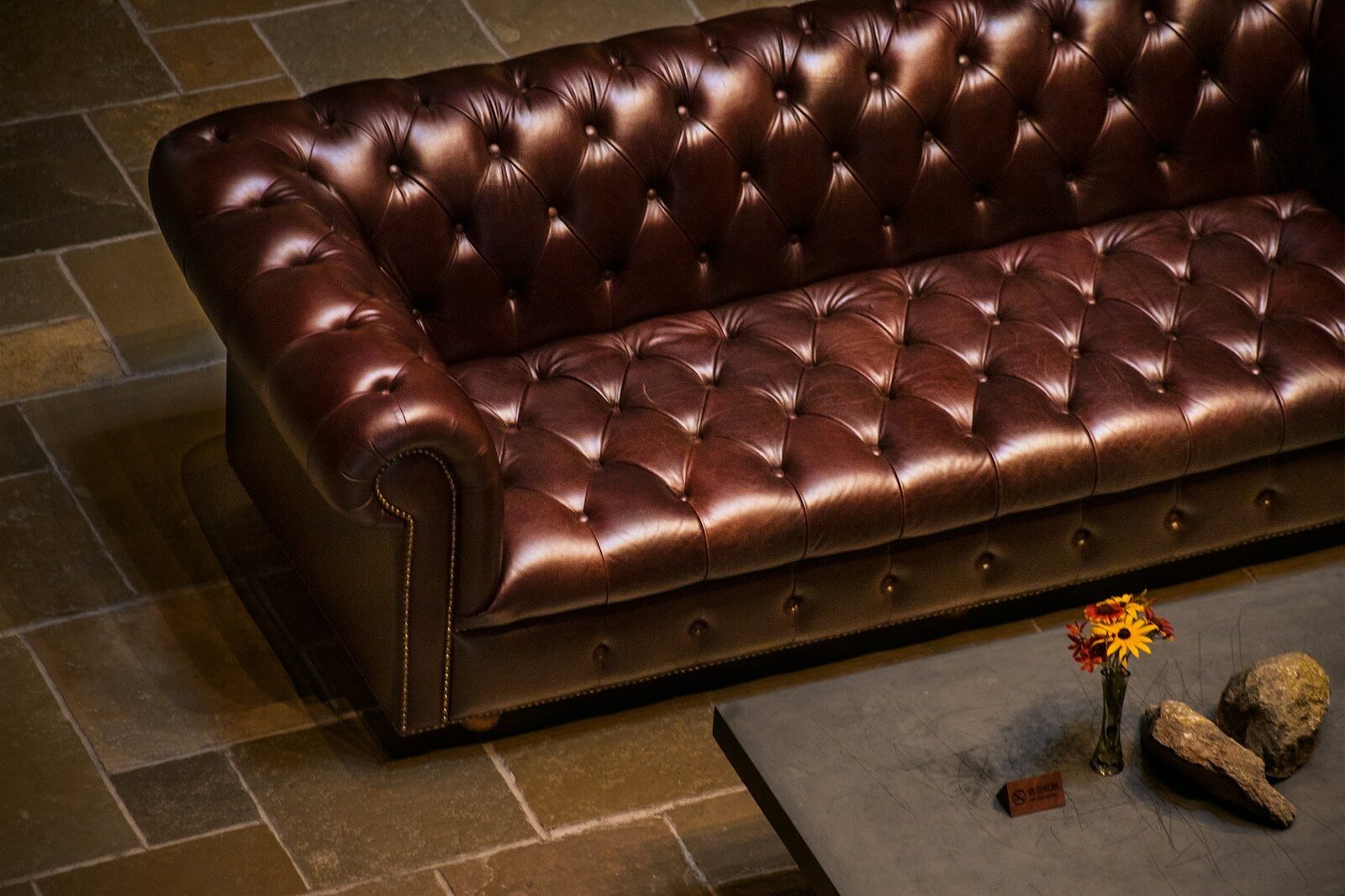
Furniture is where the blend of old and new shows most clearly. Look for classic silhouettes with simple upholstery: a rolled-arm sofa in plain linen, a wingback chair in a solid color, a wood coffee table with turned legs, a dining table with a straightforward apron and legs. The shape gives the room its traditional character, while the plain fabric and lack of heavy carving keep it current. Avoid pieces covered in shiny, ornate finishes or busy patterns, which push a room back toward formal and fussy.
Scale matters as much as style. Measure your room and your doorways before buying, and leave enough space to walk around each piece comfortably. A sofa that fits the wall exactly will make the room feel cramped, while a chair that is too small next to a large sofa will look lost. In most rooms, one or two modern pieces help the whole space feel up to date — for example, a simple metal floor lamp beside a classic armchair, or a clean-lined bench in an entryway with a paneled door. Avoid buying a full matching set of furniture. Rooms feel more collected and personal when wood tones vary slightly within the same warm family and when pieces look chosen over time rather than delivered all at once.
Materials and Texture
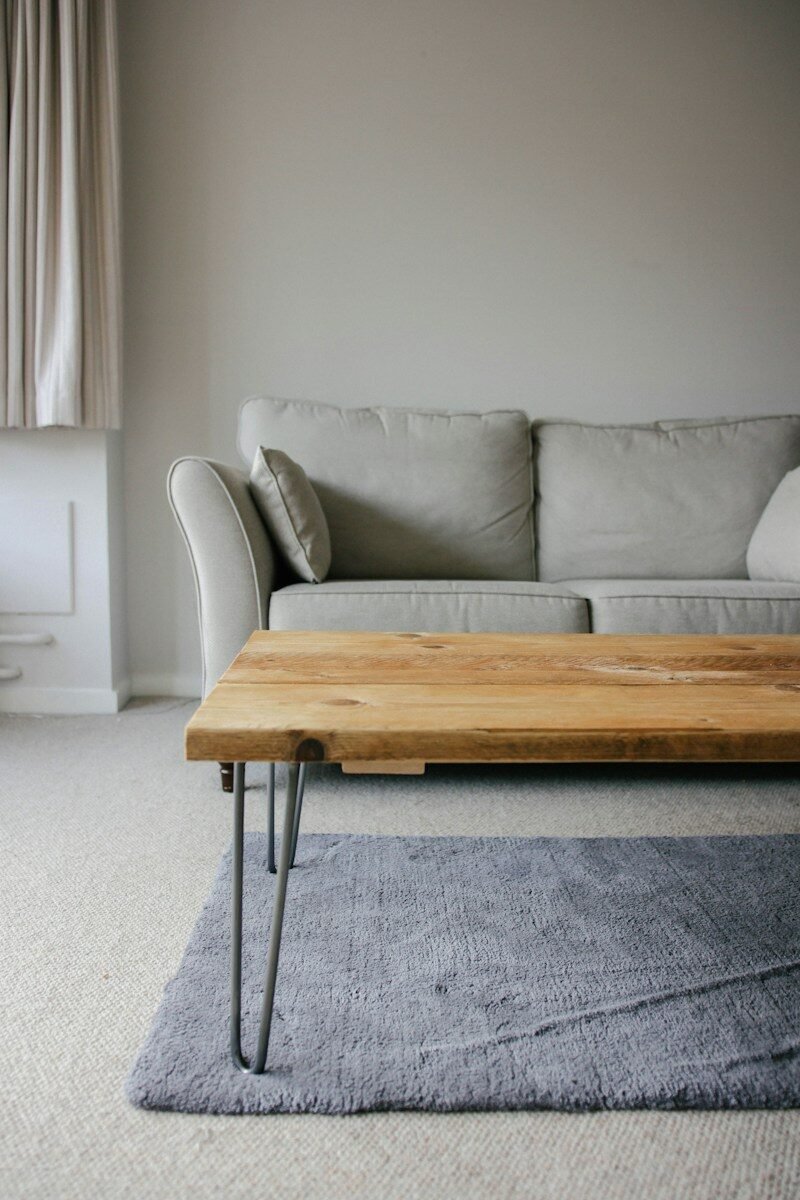
Natural materials are the backbone of this look. Wood in oak or walnut tones, linen, cotton, wool, stone, and woven fibers all bring warmth that flat, synthetic surfaces cannot match. A wood table with a visible grain, a linen curtain that moves slightly in a breeze, and a wool rug underfoot each add a layer of comfort. For hardware and fixtures, brushed brass or matte black both work; the key is to pick one finish and repeat it through a room so the details feel intentional rather than random.
Texture matters because the color palette is deliberately quiet. When colors stay neutral, texture is what keeps a room from feeling flat. Layer different textures in the same space: a smooth wood table next to a nubby linen sofa, a woven basket beside a soft wool throw, a stone vase on a polished shelf. Limit bold patterns to one or two items in a room, such as a single patterned rug or one set of patterned cushions, and keep everything else plain. This restraint is what lets the materials themselves stand out. Over time, natural materials also tend to age gracefully, developing a lived-in character that suits this style well.
Lighting in Layers
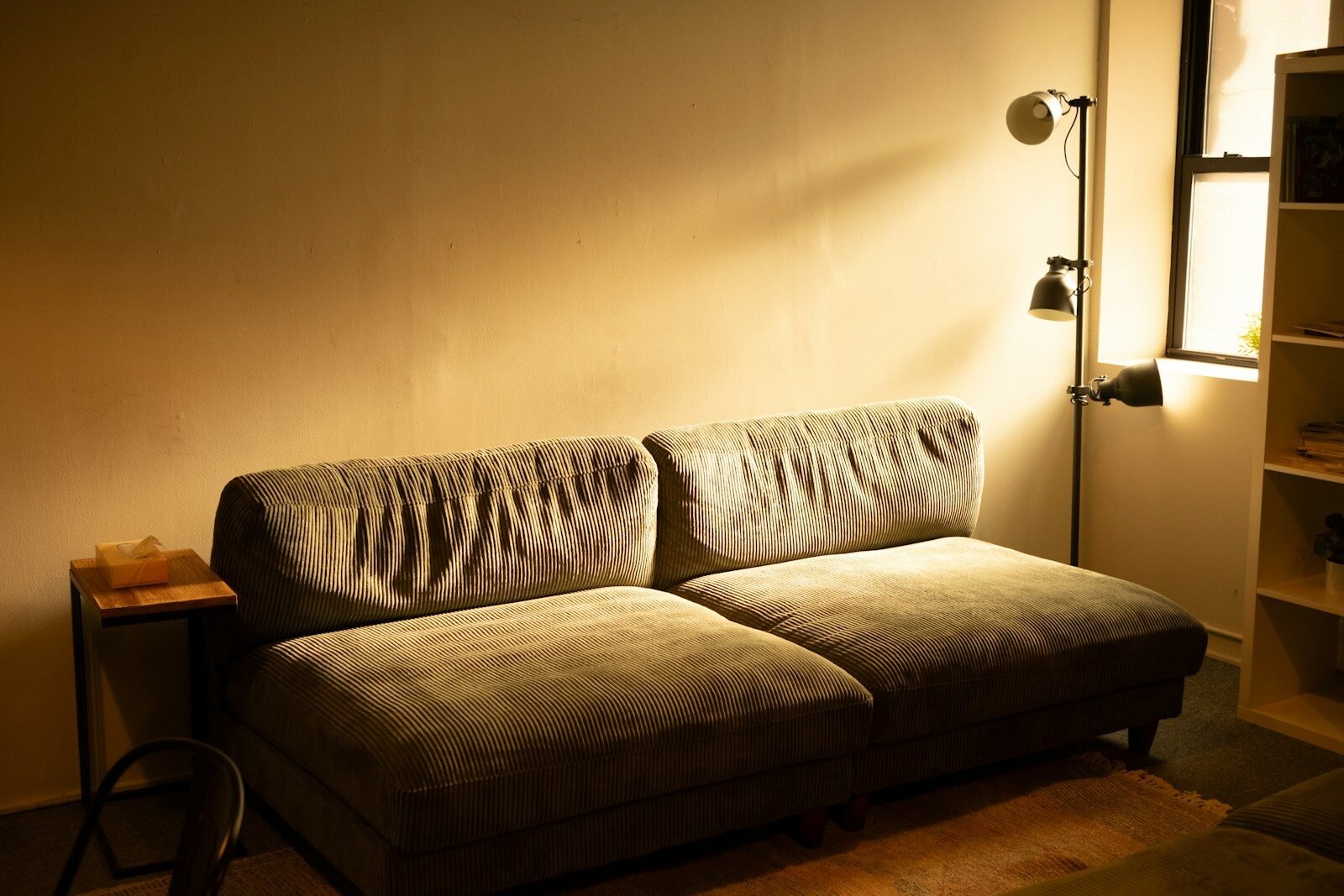
Good lighting is essential, and it works best in layers. Aim for three kinds of light in the main rooms: general light from above, task light where you read or work, and accent light that highlights art, shelves, or architectural details. A chandelier with simple lines, a flush-mount ceiling fixture, or a pair of pendants can provide general light without dominating the ceiling. Table lamps and floor lamps with classic shapes and plain linen shades give warm pools of light at seating height, which is what makes a room feel inviting in the evening. Small picture lights or a lamp on a bookshelf add the final layer.
Warm white bulbs suit this style better than harsh, cool ones, because they flatter wood tones and skin tones alike. Dimmers are worth adding in living rooms and dining rooms, since they let one room serve both bright daytime use and relaxed evening use. Avoid relying on a single overhead light, which flattens a room and creates harsh shadows. Also avoid mixing very different bulb colors in one room, since the clash is noticeable even when you cannot name the cause. If you plan to add new fixtures, move outlets, or install dimmers, read the safety note at the end of this article before starting.
Details and Decor
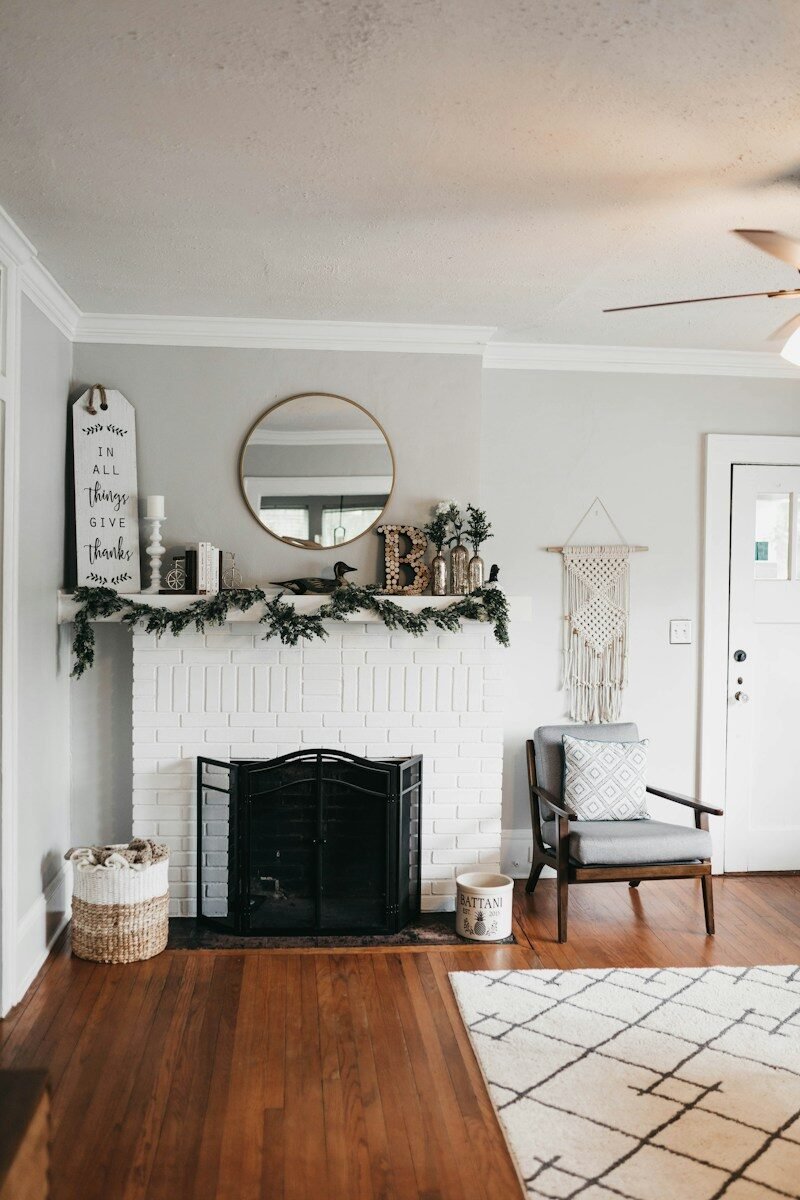
Architectural details give this style much of its character, and simple profiles work best. Crown molding, baseboards, and wainscoting in clean, modest shapes add structure to a room without making it feel grand or formal. Paneled interior doors and simple door hardware continue the same feeling. If your home has no molding at all, adding a slightly taller baseboard or a simple picture rail can change the character of a room more than a new piece of furniture.
Decor should be curated rather than crowded. Choose accessories that mean something or that you genuinely like — books, pottery, framed art, a plant — and give each one some breathing room. A mantel with three or four objects and some empty space looks more settled than a mantel covered edge to edge. Symmetry helps on shelves and mantels, but it does not need to be rigid; two matching lamps with a different object between them still feel balanced. Leave some surfaces partly clear. Empty space is not wasted space — it is what lets the pieces you keep stand out, and it keeps a room feeling calm instead of cluttered.
Room-by-Room Notes
- Living room: a classic sofa, one or two comfortable chairs, a layered rug, and lamps at seating height. Keep the coffee table surface partly clear.
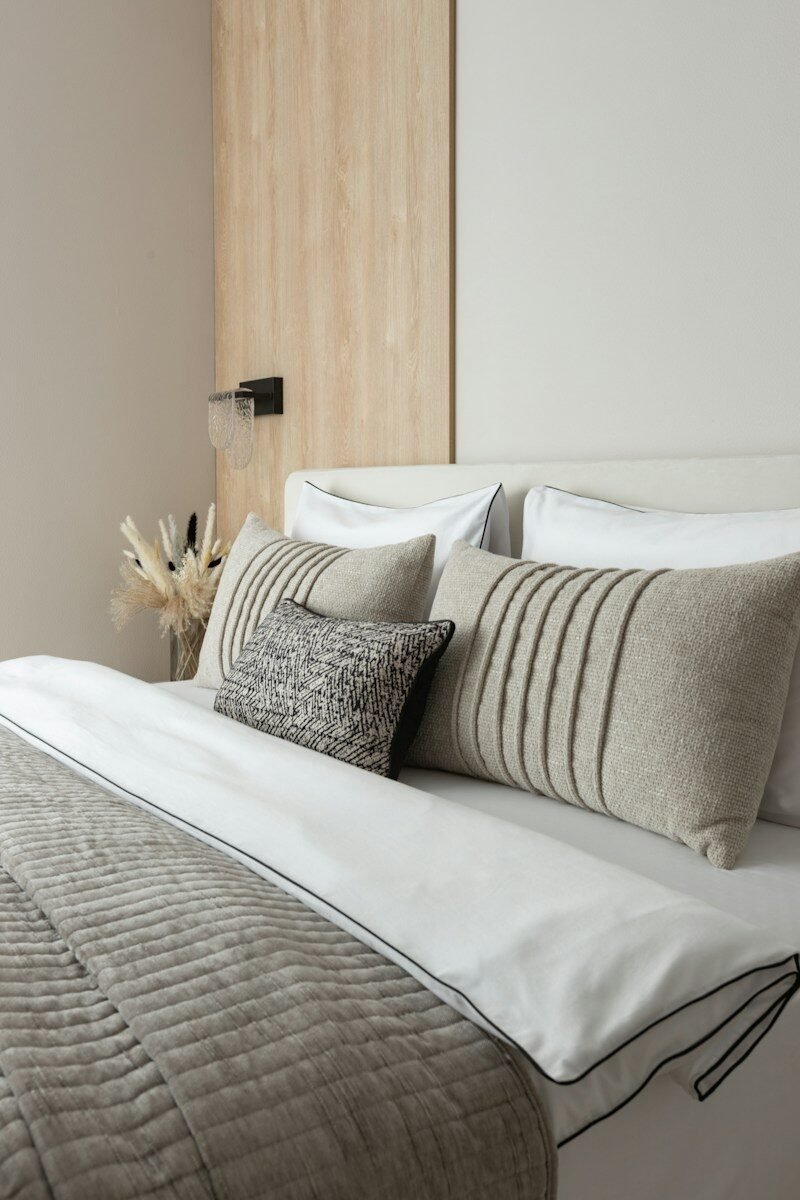
- Bedroom: an upholstered headboard in a plain fabric, layered bedding in neutral tones, and simple nightstands with a lamp on each side.
- Kitchen: shaker-style cabinet fronts, simple hardware in one finish, wood stools, and open shelving kept to a few everyday items.
- Bathroom: classic tile shapes, a simple mirror, warm metal fixtures, and soft towels in neutral colors.
- Entryway: a console table, a mirror, a small bench if space allows, and a basket for everyday items so the space stays tidy.
Mistakes That Break the Look
A few common mistakes can undo an otherwise good room. Too much ornament — carved frames, fringes, tassels, and busy patterns all at once — makes a room feel formal and heavy. Buying everything as a matching set makes it feel like a showroom rather than a home. Ignoring scale leads to furniture that crowds the room or disappears in it. Using too many colors or patterns at once destroys the calm palette the style depends on. Finally, relying on harsh overhead lighting alone flattens everything. Most of these problems are fixed by removing one or two things rather than adding more.
A Simple Way to Start
You do not need to redo a whole house to move toward this look. Start with paint, since wall color changes a room more than almost anything else and costs less than new furniture. Next, look at lighting: replace harsh bulbs with warm ones, add a table lamp where you sit, and put dimmers in the rooms you use most in the evening. Then swap textiles — curtains, cushion covers, and throws — for plain, natural fabrics in your chosen neutrals and one accent color. Work one room at a time, and live with each change for a while before adding more. This slower pace helps you see what the room actually needs instead of buying pieces that later feel wrong.
A Note on Safety
Some changes in this style involve work that should not be done without the right skills. Hire a licensed electrician for new wiring, new fixtures, moving outlets, and installing dimmers. Hire a licensed professional for any structural change, such as removing a wall or cutting into one, and for gas work on fireplaces or appliances. For heavy mirrors, art, and shelving, use proper wall anchors and fix into studs where possible, and ask for help with anything too heavy to lift safely. If a job is beyond your experience, getting a professional in is cheaper than repairing a mistake.
Conclusion
Modern traditional interior design works because it does not force a choice between comfort and simplicity. Classic shapes give a room warmth and familiarity, clean lines and quiet colors keep it feeling current, and natural materials make it pleasant to live in every day. Start with a calm palette, choose furniture with classic shapes and plain fabrics, layer your lighting, and keep decor curated rather than crowded. Done gradually, one room at a time, this approach builds a home that feels timeless without feeling formal — a place that looks considered and still feels entirely your own.
Disclaimer: This article is for general information only and is not professional design, electrical, or construction advice. For structural, electrical, or gas work, consult a licensed professional.