
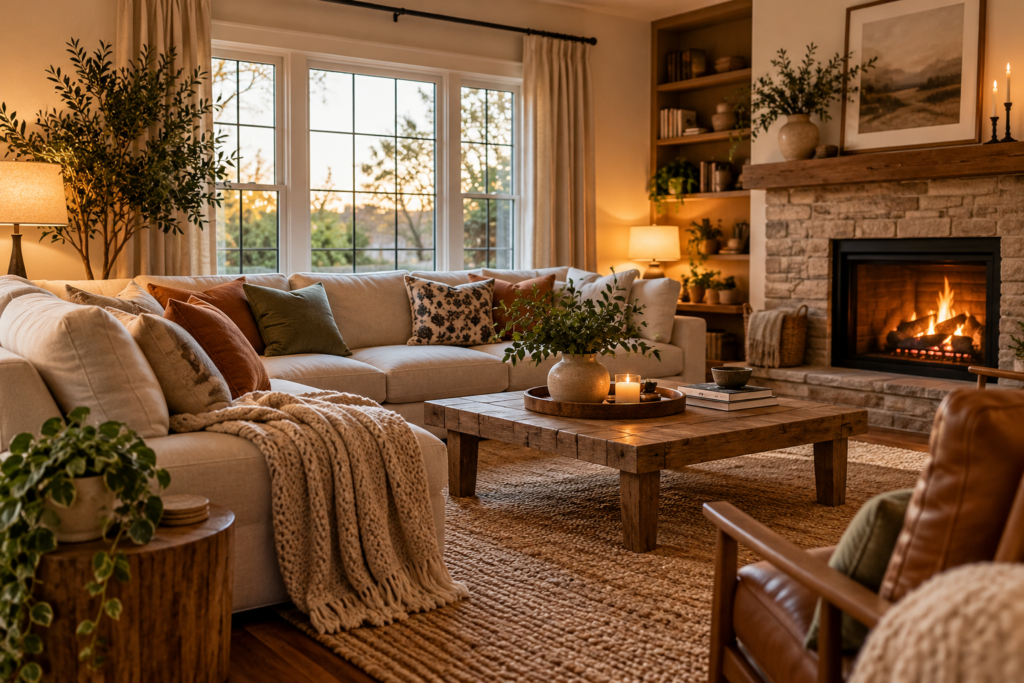
A living room earns its keep in the evenings, on slow weekends, and whenever friends or family drop by. It should be the easiest place in the house to sit down, put your feet up, and stay a while. The cozy living room ideas in this guide focus on light, texture, color, seating, and small personal details — the elements that make a room feel inviting without a full renovation or a large budget.
You do not need to replace your furniture or repaint every wall to change how a room feels. Most of the difference comes from a few deliberate choices, made one at a time: softer light in the evening, something warm to sit on and under, colors that do not fight each other, and a layout that lets people talk easily. The sections below take each of these in turn, starting with the changes that matter most.
Layer Your Lighting
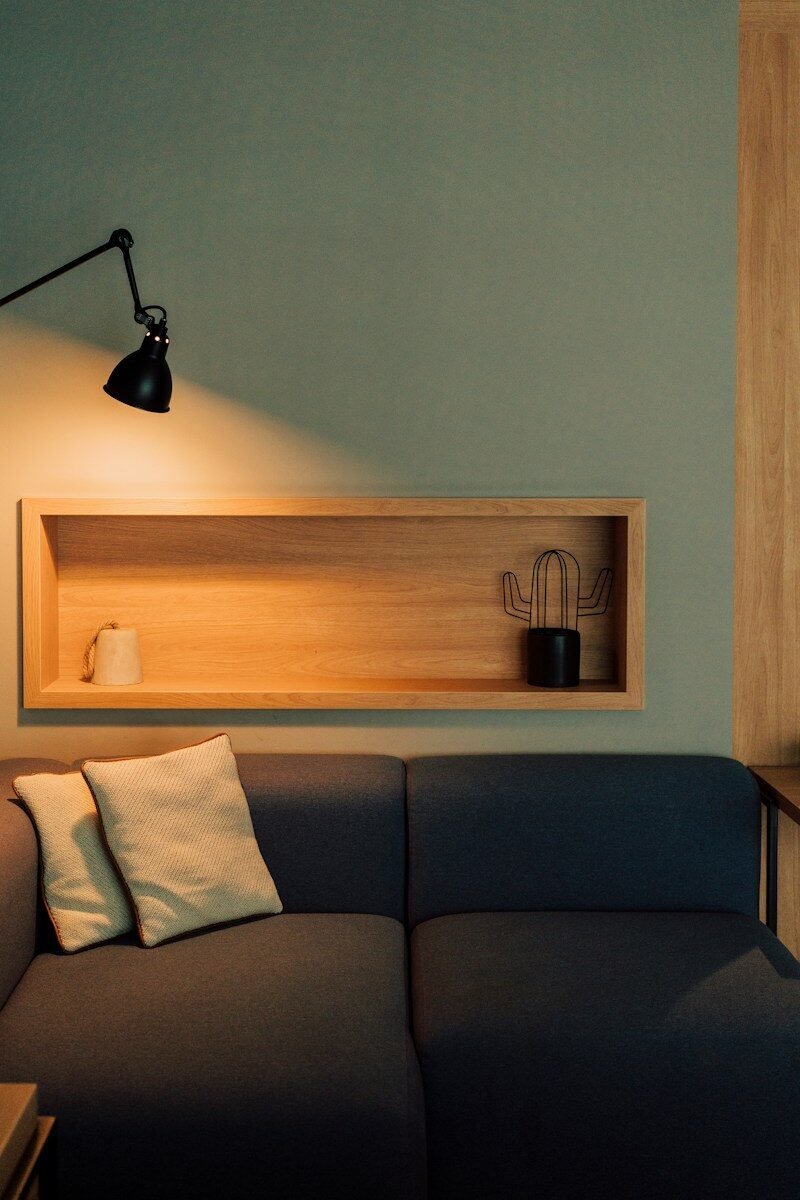
Lighting does more for comfort than almost anything else in a living room, and a single bright overhead light is usually the enemy of a relaxed mood. One harsh ceiling fixture flattens everything, creates hard shadows, and makes a room feel like a waiting area. Layered light works better: a general light for the room as a whole, smaller lights where people actually sit, and one or two low, warm points of light for the evening.
Start with what you already have. If your room has a ceiling light, fit it with a warm white bulb rather than a cool, daylight one, and consider a dimmer so the same fixture can serve both bright daytime use and quiet evenings. Then add light at seating height. A floor lamp beside a sofa or armchair, and a table lamp on a side table, give warm pools of light exactly where people read, talk, and rest. These smaller lights are what make a room feel welcoming after dark, because they light people and furniture rather than the whole ceiling.
Candles and fairy lights can add a final layer, but use them with care. Never leave a burning candle unattended, keep flames well away from curtains, throws, and paper, and place candles on stable, heat-resistant surfaces out of reach of children and pets. Battery-operated candles give a similar glow without the risk and are a sensible choice in homes with small children or animals. If you plan to add new wired fixtures, move outlets, or install dimmers, hire a licensed electrician rather than attempting the wiring yourself.
Soften the Room with Textiles
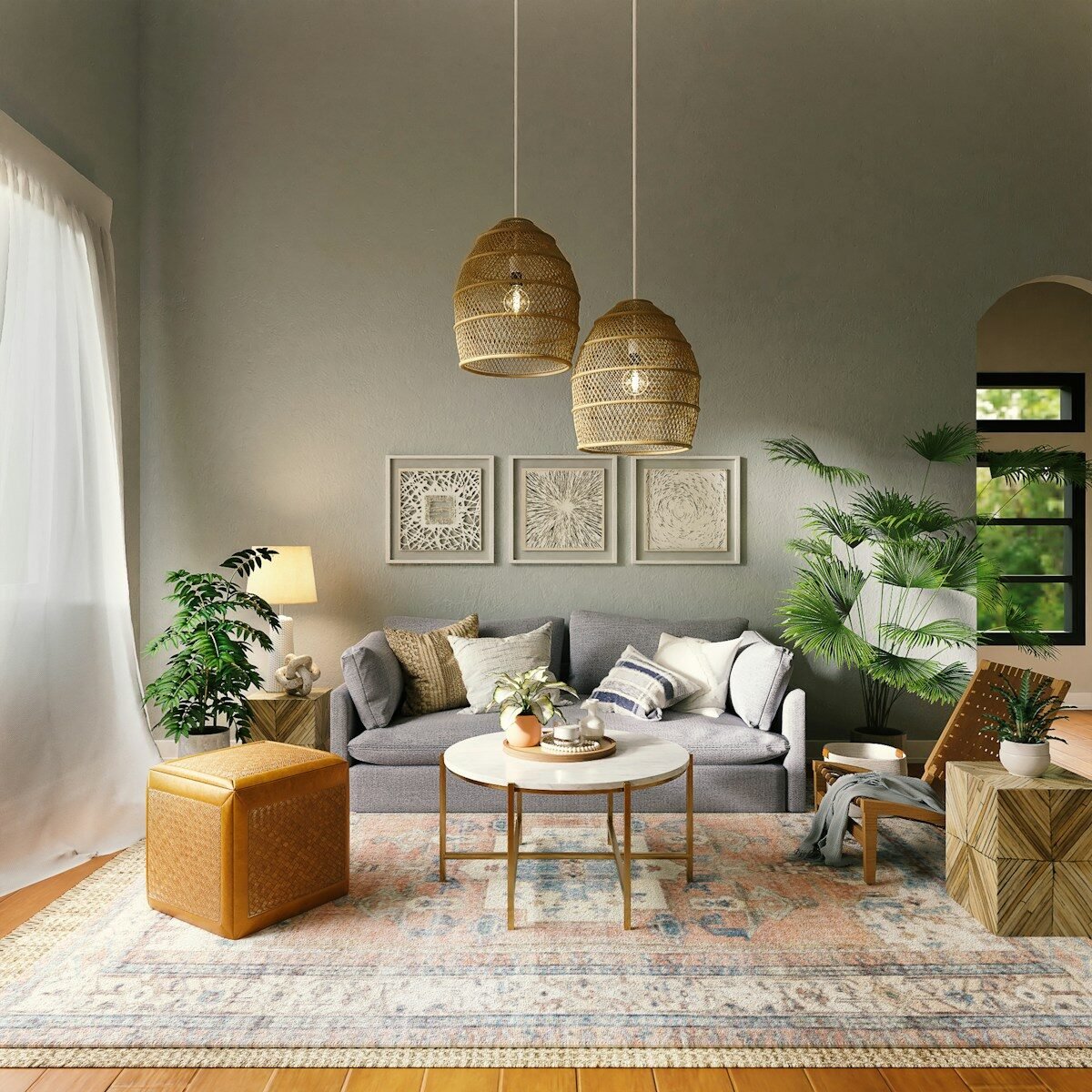
A room feels cozy when it is pleasant to touch, not just to look at. Bare floors, smooth leather, and bare windows can make a space feel handsome but cold, especially in winter. Textiles fix this quickly and cheaply, because they add warmth underfoot, softness at hand height, and a sense of enclosure around the edges of the room.
Begin with the largest surfaces. A rug under the main seating area grounds the room and makes bare floors far more comfortable; choose one large enough that the front legs of the sofa and chairs sit on it, rather than a small rug floating in the middle of the floor. Then add layers you can actually use: a throw folded over the arm of the sofa, cushions in different textures rather than identical ones, and curtains that soften the window frames. Linen, cotton, wool, and knit all work well, and mixing two or three textures in the same room feels richer than matching everything exactly.
Keep the palette of your textiles calm. When throws, cushions, and curtains share a warm family of colors — cream, rust, sage, dusty blue, or soft brown — the room feels settled rather than busy. Washability matters too: choose covers you can remove and launder, especially on pieces that get daily use, so softness does not turn into a maintenance burden. A room that is easy to keep clean stays inviting far longer than one that looks perfect only on the day it is arranged.
Choose a Warm, Calm Palette
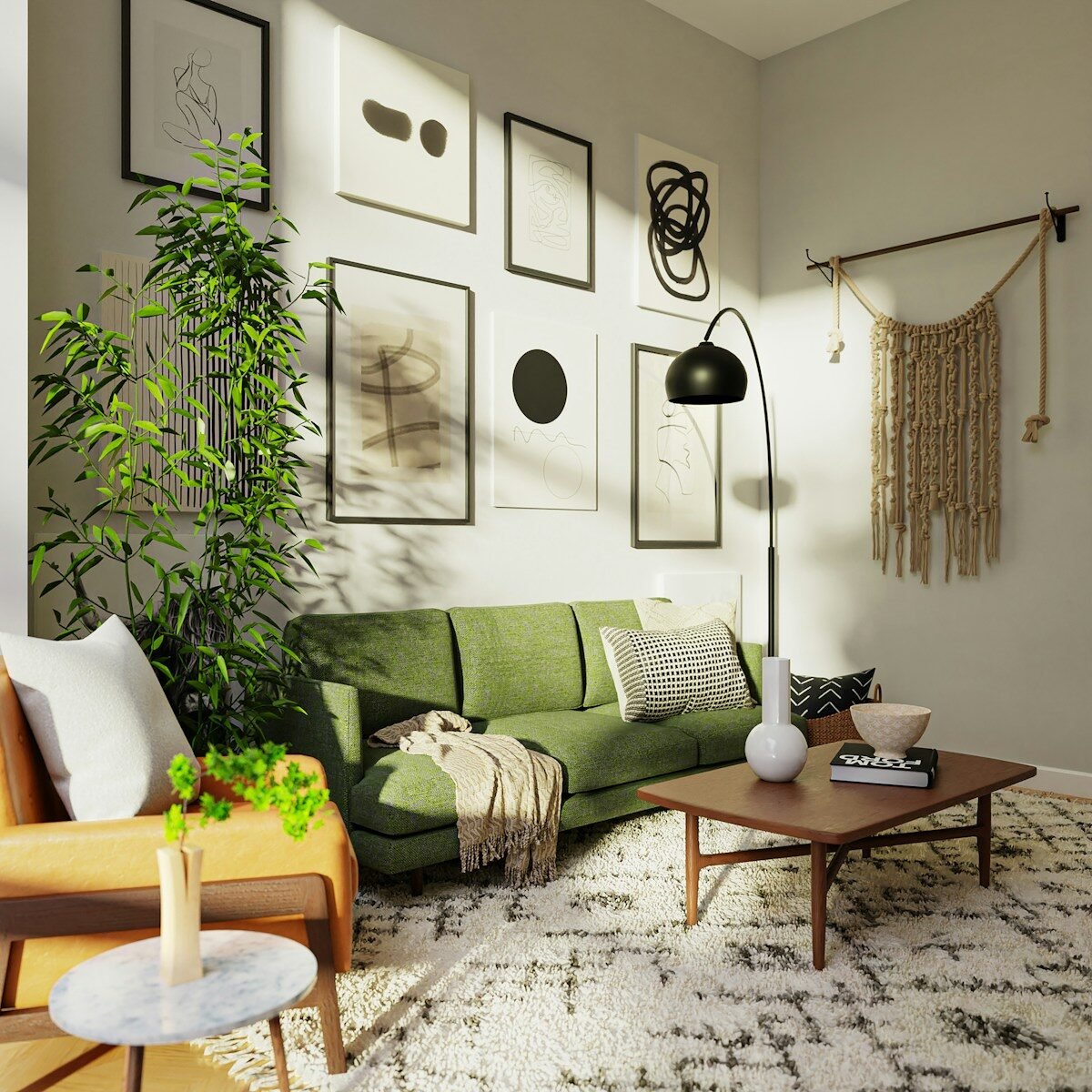
Color sets the mood of a room before anyone notices a single object in it. Cool, bright white walls with dark, heavy furniture can feel stark, while a warm neutral base makes the same furniture feel approachable. Warm white, soft beige, light taupe, and pale greige all suit a comfortable living room, because they reflect light gently without the chill of a pure white.
Paint is the biggest single change you can make, but you do not need to repaint to warm a room up. Wood tones, warm metals such as brass, woven baskets, and natural fibers all bring warmth without touching a wall. If you do paint, test a large sample on the wall first and look at it in morning light, afternoon light, and evening lamplight, since warm neutrals can shift a great deal between daylight and artificial light.
Add one or two muted accent colors and use them sparingly. A deep green in a plant pot and a cushion, or a warm terracotta in a throw and a piece of art, gives the room character without breaking the calm. Avoid introducing a new bright color on every surface; a room feels calmer when the palette stays limited to three or four colors in total, with neutrals doing most of the work. When in doubt, remove one color rather than adding another.
Arrange Seating for Comfort
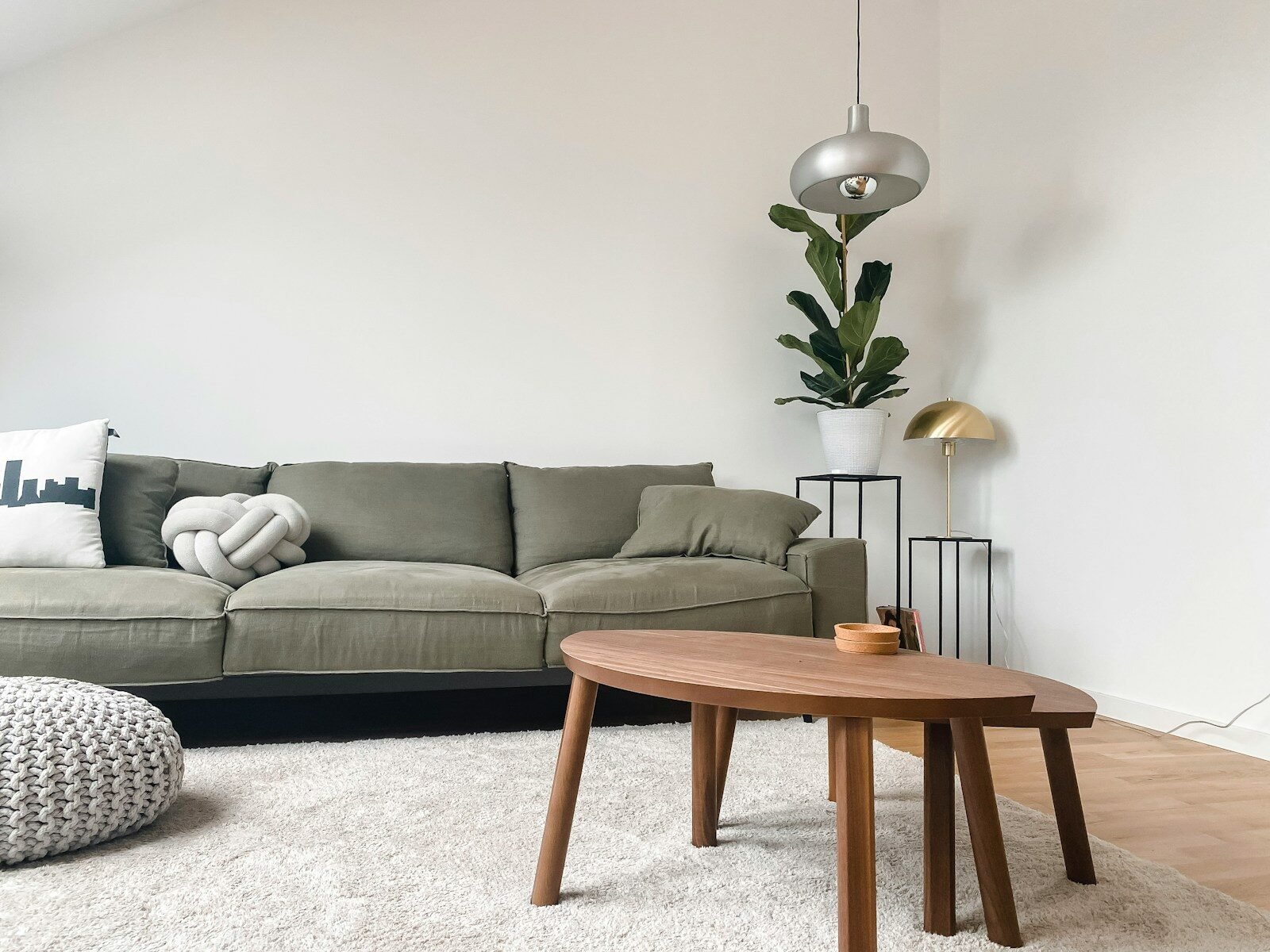
Furniture arrangement decides whether people actually relax in a room or simply pass through it. The most common mistake is pushing every piece against the walls, which leaves a large empty middle and forces people to shout across it. Pulling seating slightly inward, around a rug or a coffee table, creates a natural gathering spot and makes conversation easy.
Think about how people sit together. Sofas and chairs should face each other, or angle toward each other, at a distance that allows normal conversation without raising voices. A coffee table or ottoman between seats gives everyone somewhere to set a cup down, which sounds small but makes a real difference to how long people linger. Leave clear paths around the arrangement so nobody has to climb over furniture or squeeze past a chair to cross the room.
Comfort matters more than symmetry. A deep seat with a supportive back, a footstool for tired legs, and a small side table within reach of each seat will do more for relaxation than a perfectly matched set. If the room is small, choose fewer, better pieces rather than filling every corner; a room with space to move feels larger and calmer than one packed with furniture. Test the arrangement by actually sitting in each seat: if you cannot reach a light, a table, or a throw without getting up, adjust before settling on the layout.
Add Natural Elements and Personal Pieces
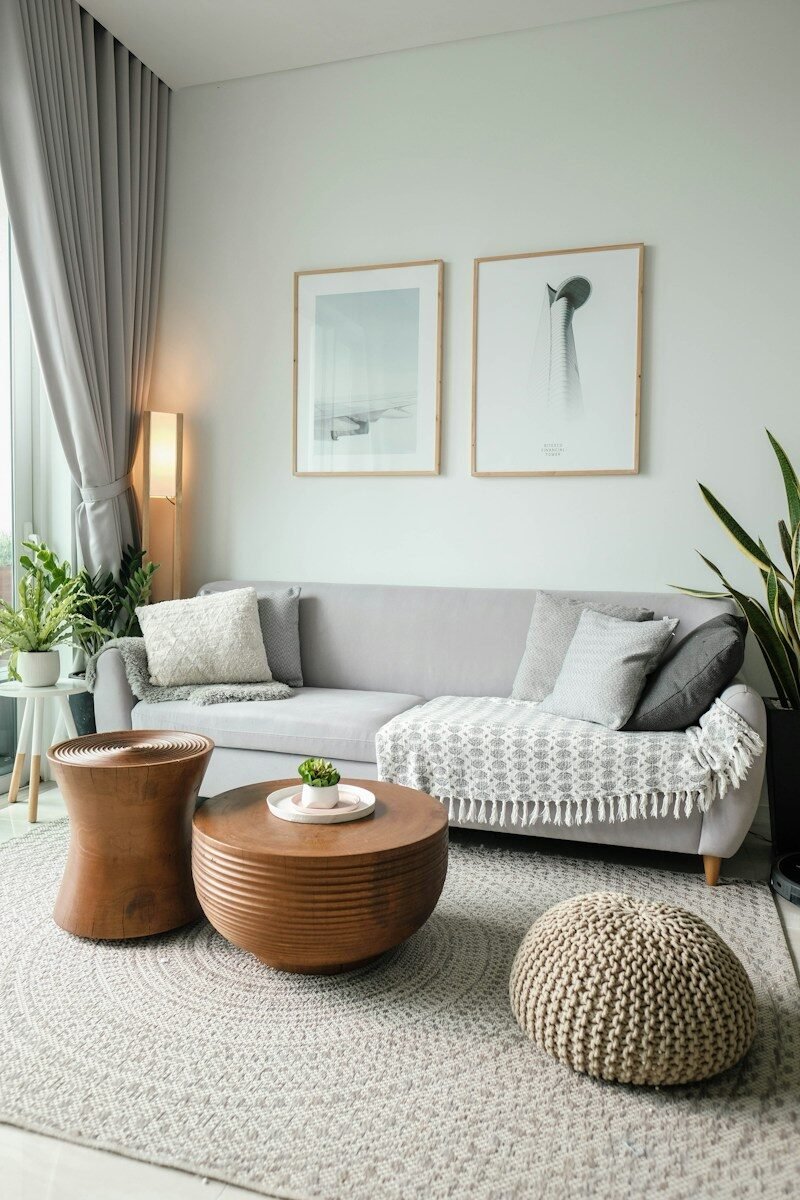
Rooms that feel lived in, rather than staged, almost always include something natural and something personal. Plants are the simplest natural addition: a tall plant in a corner, a trailing plant on a shelf, or a small pot on a windowsill softens hard edges and adds life. Choose plants that suit the light your room actually gets, and keep watering simple by picking forgiving varieties if you are not a confident gardener.
Wood, stone, and woven fibers bring the same warmth in a different form. A wooden coffee table, a stone vase, a woven basket for blankets, or a wool throw all add texture that flat, synthetic surfaces cannot match. Personal pieces complete the effect: books you have actually read, photographs that mean something, art you chose yourself, or an object picked up on a trip. Display a few of these with breathing room around them rather than covering every surface; a mantel with three objects and some empty space looks more settled than one crowded edge to edge.
For heavy mirrors, art, and shelving, use proper wall anchors and fix into studs where possible, and ask for help with anything too heavy to lift safely. A beautiful arrangement is not worth a damaged wall or an injury, and secure fixings also mean you can rearrange with confidence later.
Small Touches Worth Considering
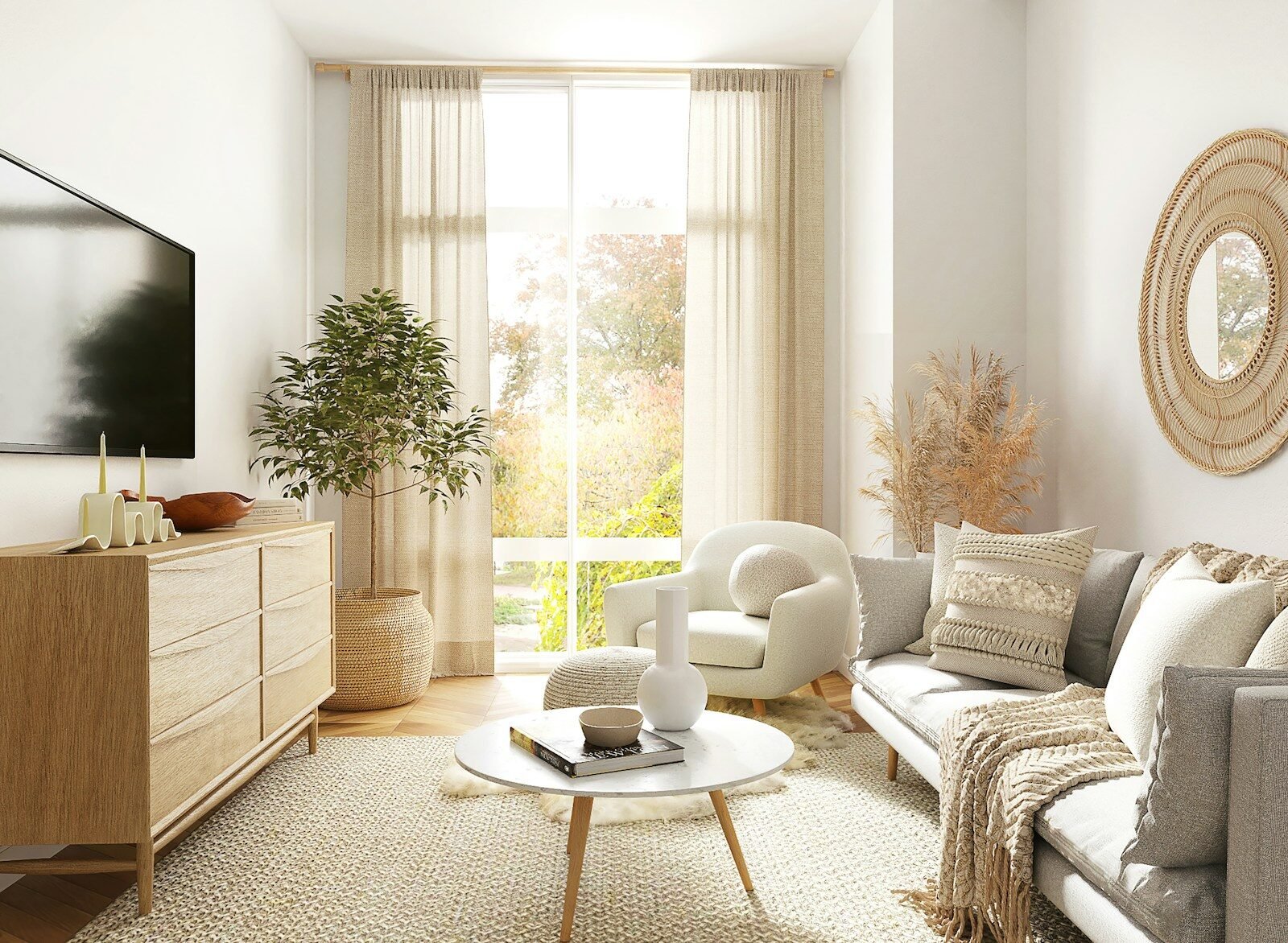
Beyond the five main ideas above, a few brief habits keep the room feeling comfortable day to day. Clear clutter regularly, since a room full of loose papers, chargers, and unwashed cups will not feel relaxing no matter how good the lighting is. A basket or a lidded box near the seating area gives stray items a home without a full tidy-up. A pleasant scent helps too: an open window for fresh air, a reed diffuser, or a bowl of dried citrus and spices on a shelf are all simple options. Keep rugs flat so they are not a trip hazard, and keep pathways clear of trailing cables and low obstacles.
Conclusion
Comfort in a living room is rarely about one dramatic change. It comes from light that flatters rather than glares, textures that invite touch, colors that stay calm, seating arranged for real conversation, and a few natural and personal pieces that make the room yours. Put together slowly, one change at a time, these cozy living room ideas can turn an ordinary living room into a place people genuinely want to spend time in — warm in winter, easy in summer, and welcoming whenever someone walks through the door.
Disclaimer: This article is for general informational purposes only and does not constitute professional advice. For electrical, structural, or gas work, consult a licensed professional.